Are there any international standards for hydro gates?
As a hydro gate supplier deeply involved in the industry, I often encounter inquiries from clients about the existence of international standards for hydro gates. The short answer is yes, there are international standards that govern the design, manufacturing, installation, and maintenance of hydro gates. These standards play a crucial role in ensuring the safety, reliability, and performance of hydro gates across the globe.
The Importance of International Standards
International standards for hydro gates are essential for several reasons. Firstly, they provide a common framework for manufacturers, engineers, and operators to follow. This consistency helps to ensure that hydro gates are designed and built to a high level of quality and safety. For example, standards specify the materials that can be used, the design loads that the gates must withstand, and the testing procedures that need to be carried out.
Secondly, international standards facilitate international trade. When hydro gates are manufactured to recognized international standards, they can be more easily exported and imported. This is because buyers and regulatory authorities in different countries can have confidence in the quality and safety of the products.
Finally, international standards contribute to the overall safety of water infrastructure. Hydro gates are critical components of dams, canals, and other water control structures. By adhering to international standards, the risk of gate failure, which could lead to flooding or other disasters, is significantly reduced.
Key International Standards for Hydro Gates
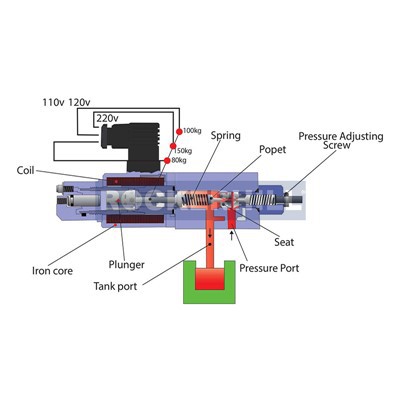
One of the most well - known international standards for hydro gates is the International Electrotechnical Commission (IEC) standards. The IEC has developed a series of standards related to electrical and control systems for hydro gates. These standards cover aspects such as the design of electrical motors, control panels, and sensors used in gate operation. For example, IEC 60034 series deals with rotating electrical machines, which are often used to drive the opening and closing mechanisms of hydro gates.
Another important set of standards is provided by the International Organization for Standardization (ISO). ISO standards related to hydro gates focus on mechanical aspects such as materials, fabrication, and testing. ISO 9001, the quality management system standard, is often applied in the manufacturing process of hydro gates. This standard ensures that the manufacturer has a systematic approach to quality control, from raw material procurement to the final product delivery.
In addition, the American Society of Mechanical Engineers (ASME) has standards that are widely recognized in the industry. ASME standards, such as ASME B31.1 for power piping and ASME BPVC (Boiler and Pressure Vessel Code), are relevant to hydro gate systems. These standards address issues related to pressure vessels, piping, and structural components used in hydro gate installations.
Compliance and Certification
Manufacturers of hydro gates are expected to comply with relevant international standards. Compliance can be demonstrated through various means, such as in - house quality control procedures, third - party inspections, and product testing. Many manufacturers seek certification from recognized certification bodies to prove that their products meet the required standards.
For example, a hydro gate manufacturer may obtain ISO 9001 certification to show that they have a quality management system in place. They may also have their products tested by an independent laboratory to ensure compliance with specific standards related to strength, durability, and performance.
Our Products and Standards
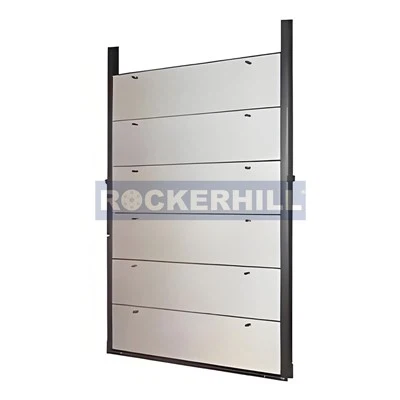
At our company, we are committed to manufacturing hydro gates that meet the highest international standards. We offer a wide range of hydro gates, including Heavy Duty Sluice Gates and Hydro Gate Slide Gates.
Our heavy - duty sluice gates are designed to withstand high water pressures and harsh environmental conditions. They are fabricated using high - quality materials and are manufactured in accordance with relevant ISO and ASME standards. We conduct rigorous testing on these gates, including load testing and leak testing, to ensure their performance and reliability.


Our hydro gate slide gates are known for their smooth operation and precise control. The electrical and control systems of these gates are designed to comply with IEC standards. We use advanced sensors and control panels to ensure accurate positioning and safe operation of the gates.
Challenges in Implementing International Standards
Despite the many benefits of international standards, there are also some challenges in implementing them. One of the main challenges is the cost associated with compliance. Meeting international standards often requires investment in new equipment, training of personnel, and third - party certification. This can be a significant burden for small and medium - sized manufacturers.
Another challenge is the differences in interpretation of standards across different regions. Some countries may have their own local regulations that are slightly different from international standards. This can create confusion for manufacturers who are trying to sell their products in multiple markets.
Future Trends in Hydro Gate Standards
As the technology in the hydro industry continues to evolve, so do the standards for hydro gates. There is a growing trend towards more advanced materials and manufacturing techniques. For example, the use of composite materials in hydro gate construction is becoming more common. These materials offer advantages such as corrosion resistance and lighter weight. Future standards will need to address the unique properties and requirements of these new materials.
In addition, with the increasing focus on automation and digitalization in the hydro sector, standards for smart hydro gates are likely to emerge. Smart gates can be remotely monitored and controlled, and they can provide real - time data on their performance. Standards will need to ensure the security and reliability of these digital systems.
Conclusion
In conclusion, there are indeed international standards for hydro gates, and they play a vital role in the industry. These standards ensure the quality, safety, and performance of hydro gates, facilitate international trade, and contribute to the overall safety of water infrastructure. As a hydro gate supplier, we are dedicated to manufacturing products that meet these standards.
If you are in the market for high - quality hydro gates that comply with international standards, we invite you to contact us for a detailed discussion. Our team of experts can provide you with customized solutions based on your specific requirements. Whether you need heavy - duty sluice gates or hydro gate slide gates, we have the products and expertise to meet your needs.
References
- International Electrotechnical Commission (IEC) standards
- International Organization for Standardization (ISO) standards
- American Society of Mechanical Engineers (ASME) standards