Band Screen
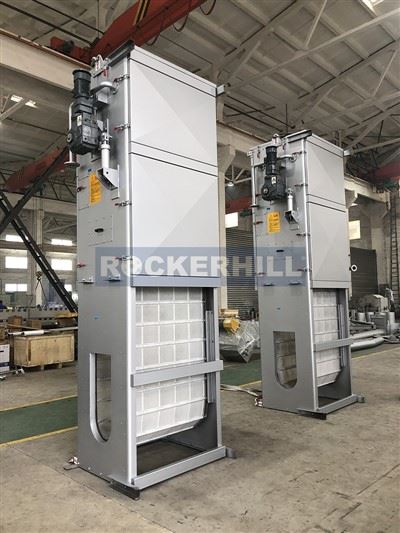
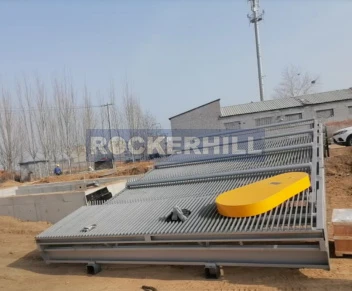
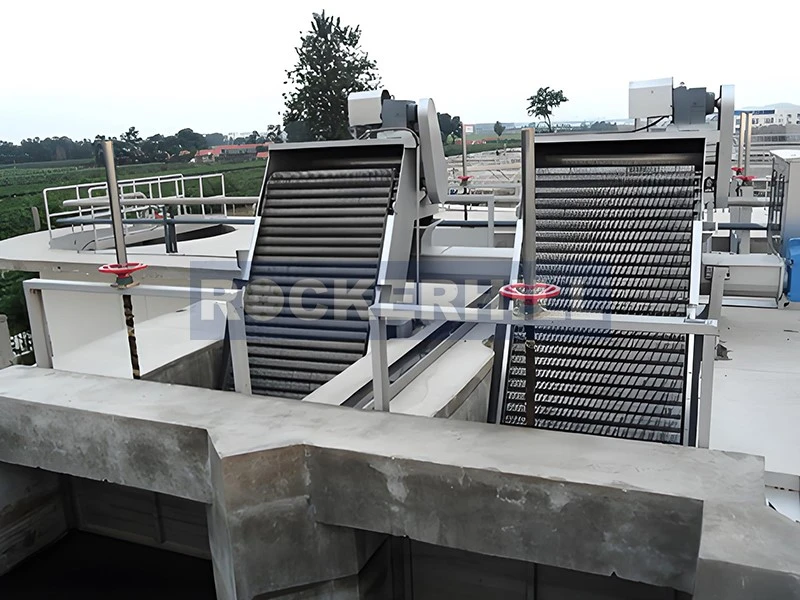
Band screens are continuous, belt-driven filtration systems used in water treatment, wastewater processing, and industrial applications to remove fine to medium-sized debris (e.g., fibers, small plastics, organic matter) from fluid streams. Unlike bar screens with fixed parallel bars, band screens feature a rotating mesh or perforated belt that captures solids while allowing water to pass through, with automated cleaning mechanisms to discharge debris continuously.
-
![Traveling Water Screen]() Traveling Water ScreenWhat is a traveling water screen? A traveling water screen, also called a travelling band screen or band screen, is a continuous loop of mesh panels that filters raw water at an intake.view more
-
![Band Screens For Sea Water Desalination]() Band Screens For Sea Water DesalinationROCKERHILL band screen is a continuous, self-cleaning mechanical filtration device used primarily at the intake stage of sea water desalination plants. It consists of a series of screen panels (or plates) connected together to form a...view more
-
![Band Screening for Water Treatment]() Band Screening for Water TreatmentScreening for water treatment refers to the use of automated, belt-driven filtration systems designed to remove fine to medium-sized debris from water streams in treatment plants.view more
-
![Band Screen Design]() Band Screen DesignBand screen design focuses on engineering automated, belt-driven filtration systems optimized to capture fine to medium-sized debris in water and wastewater treatment applications.view more


Working Principle of Band Screens
Band screens operate via a cycle (circulating) belt system designed for uninterrupted debris removal:
1. Debris Capture
A vertical or inclined mesh belt (typically 0.2–5mm aperture size) is submerged in the flow channel. Water passes through the mesh, while solids larger than the aperture are trapped on the belt’s surface.
2. Belt Rotation
The belt is driven by motorized rollers, moving upward to transport trapped debris out of the water. The angle of inclination (usually 60°–75°) ensures water drains back into the channel before debris reaches the cleaning zone.
3. Automated Cleaning
As the belt reaches the top of the rotation, high-pressure water jets or scrapers dislodge captured debris, which falls into a collection hopper or conveyor for disposal. Some designs include secondary brushes to remove stubborn particles (e.g., sticky algae or fibers).
4. Continuous Operation
The belt cycles continuously, with speed adjustable based on debris load (controlled by sensors monitoring head loss or flow rate).
Key Advantages of Band Screens
Fine Filtration Capacity
With mesh apertures as small as 0.2mm, they capture smaller debris (e.g., hair, food particles, or fine sediment) that bar screens might miss, making them ideal for sensitive downstream processes (e.g., membrane filtration in drinking water plants).
01
Continuous Debris Removal
The rotating belt eliminates manual cleaning, ensuring 24/7 operation even in high-flow environments (e.g., urban wastewater plants during peak hours).
02
Low Head Loss
The porous mesh design minimizes pressure drop across the screen, reducing energy consumption for pumps compared to denser bar screens.
03
Self-Cleaning Efficiency
High-pressure water jets or scrapers prevent mesh clogging, maintaining consistent flow rates and reducing maintenance downtime.
04
Durability
Mesh belts are constructed from corrosion-resistant materials (316 stainless steel, polyester, or reinforced polymers), withstanding harsh conditions like industrial wastewater or saltwater.
05
Design Considerations of Band Screens

• Mesh Aperture Size: Determined by target debris size—0.2–1mm for fine filtration (e.g., drinking water), 1–5mm for medium solids (e.g., industrial wastewater). Smaller apertures require more frequent cleaning to avoid clogging.
• Belt Material:
o 316 stainless steel mesh: For high-temperature or chemical-rich streams (e.g., industrial effluent with acids).
o Polyester or polymer mesh: Cost-effective for freshwater applications (e.g., stormwater) and resistant to organic corrosion.
o Reinforced composites: For heavy-duty use (e.g., mining wastewater with abrasive particles)
• Belt Speed & Tension: Speed (0.5–3 m/min) adjusts to debris load; excessive speed wastes energy, while slow speeds risk overflow. Tension is calibrated to prevent slippage without damaging the mesh.
• Cleaning Mechanism: High-pressure water jets (10–20 bar) are standard for most applications; scrapers are added for fibrous debris (e.g., rags in wastewater) that resist jet removal.
• Frame & Support: Stainless steel frames with corrosion-resistant coatings anchor the belt and rollers, ensuring alignment and stability in wet environments
Cost and Comparisons of Band Screens
Cost Factors
Comparison with Bar Screens
|
Aspect |
Band Screens |
Bar Screens |
|
Debris Size Captured |
0.2–5mm (fine to medium) |
10–150mm (large) |
|
Operation |
Continuous, fully automated |
Intermittent (manual/periodic cleaning) |
|
Head Loss |
Lower (porous mesh) |
Higher (solid bars) |
|
Maintenance |
Mesh replacement (5–10 years) |
Bar repair/replacement (10–15 years) |
|
Ideal Applications |
Drinking water, fine wastewater |
Stormwater, hydropower intakes |
Applications of Band Screens
Municipal Wastewater Treatment
Removes fine solids (e.g., food particles, hair) before biological treatment to protect aeration systems and improve sludge settling.
Drinking Water Plants
Pre-filters raw water to protect membrane systems or sand filters from clogging with fine sediment.
Industrial Processes
Filters coolant in manufacturing or removes process-related debris (e.g., fibers in paper mills, plastic pellets in food processing).
Aquaculture
Separates fish waste or uneaten feed from recirculating water systems, maintaining water quality for aquatic life.
Band screens are a versatile solution for fine to medium debris removal, combining automation, efficiency, and adaptability to meet the demands of modern water and wastewater treatment systems. Their ability to handle small particles while minimizing operational interruptions makes them indispensable in applications where precision filtration is critical.
Band Screen Specification and Supplier Selection Guide
We're professional band screen manufacturers and suppliers in China, specialized in providing high quality custom service. We warmly welcome you to buy high-grade band screen at competitive price from our factory.