


As a seasoned supplier of filter skids, I've witnessed firsthand the crucial role that bypass valves play in these systems. Filter skids are integral components in various industries, from water treatment to oil and gas, designed to remove impurities and contaminants from fluids. The bypass valve, often overlooked, is a key element that ensures the smooth operation and reliability of the filter skid. In this blog, I'll delve into the functions, importance, and types of bypass valves in filter skids, and why they are essential for your filtration needs.
Understanding the Basics of Filter Skids
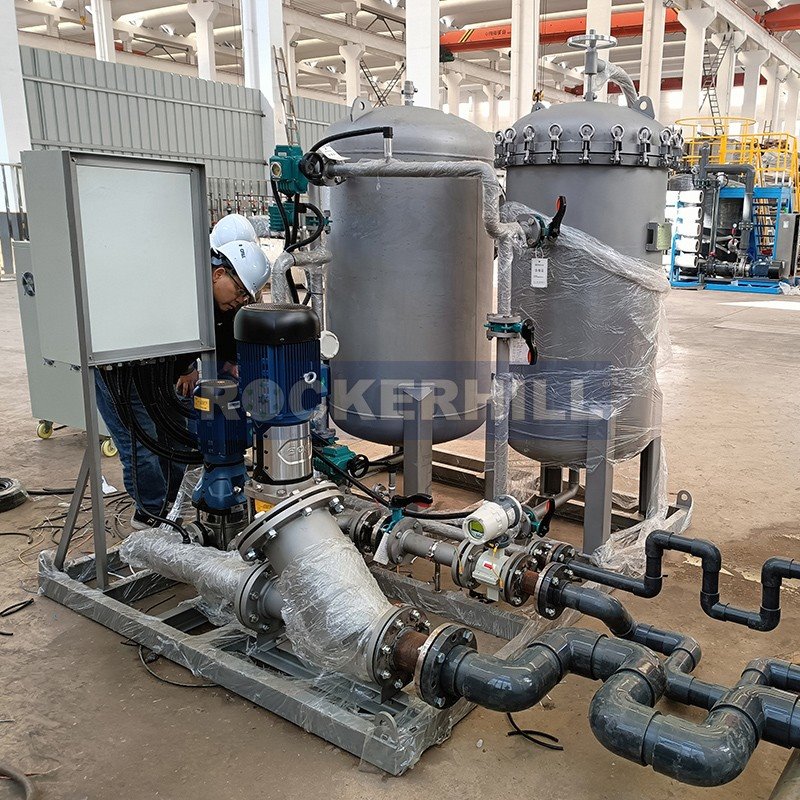
Before we explore the role of bypass valves, let's briefly understand what filter skids are. A filter skid is a pre - assembled unit that includes one or more filters, pumps, valves, and instrumentation. It is a compact and efficient solution for fluid filtration, providing a standardized and easy - to - install system. Filter skids can be customized based on the specific requirements of the application, such as the type of fluid, flow rate, and filtration level. You can learn more about Filter Skid Design to understand how these systems are engineered to meet diverse needs.
The Function of a Bypass Valve in a Filter Skid
The primary function of a bypass valve in a filter skid is to provide an alternative flow path for the fluid when certain conditions are met. Here are the main scenarios where a bypass valve comes into play:
1. Pressure Relief
Filters in a skid can become clogged over time as they trap contaminants. When this happens, the pressure drop across the filter increases. If the pressure drop becomes too high, it can cause damage to the filter elements, pumps, or other components in the skid. The bypass valve acts as a safety mechanism by opening when the pressure differential reaches a pre - set limit. This allows the fluid to bypass the clogged filter and continue flowing through the system, preventing excessive pressure build - up. For example, in a water treatment plant, if a sediment filter becomes clogged, the bypass valve will open to ensure that the water supply is not interrupted and the system components are protected.

2. Maintenance and Filter Replacement
During maintenance or filter replacement, it is often necessary to isolate the filter from the system. The bypass valve allows the fluid to continue flowing through the system while the filter is being serviced. This means that the process can continue without a complete shutdown, minimizing downtime and ensuring continuous operation. For instance, in an oil refinery, when a particulate filter needs to be changed, the bypass valve can be opened to keep the oil flowing through the system, allowing maintenance work to be carried out without disrupting the production process.
3. Flow Regulation
In some cases, the bypass valve can be used to regulate the flow rate through the filter. By adjusting the position of the bypass valve, the amount of fluid that passes through the filter can be controlled. This is useful when the system requires a specific flow rate that the filter alone cannot provide. For example, in a chemical processing plant, the bypass valve can be adjusted to ensure that the fluid flow through the filter is at an optimal rate for efficient filtration.
Importance of Bypass Valves in Filter Skids
The presence of a bypass valve in a filter skid offers several important benefits:
1. System Protection
As mentioned earlier, the bypass valve protects the filter skid components from damage caused by excessive pressure. By preventing over - pressurization, it extends the lifespan of the filters, pumps, and other equipment in the skid. This reduces the frequency of component replacements and maintenance costs, making the system more cost - effective in the long run.
2. Continuity of Operation
In industries where continuous fluid flow is critical, such as power generation and manufacturing, the bypass valve ensures that the process can continue even when the filter is clogged or undergoing maintenance. This helps to avoid production losses and maintain a stable supply of the filtered fluid.
3. Flexibility
The ability to bypass the filter provides flexibility in system operation. It allows operators to adjust the flow path based on the specific needs of the process, such as changing the filtration level or accommodating variations in the fluid characteristics.
Types of Bypass Valves Used in Filter Skids
There are several types of bypass valves commonly used in filter skids, each with its own advantages and applications:
1. Pressure - Relief Bypass Valves
These valves are designed to open when the pressure differential across the filter reaches a certain setpoint. They are typically spring - loaded, and the spring tension determines the opening pressure. Pressure - relief bypass valves are widely used in applications where protecting the system from over - pressurization is the primary concern.
2. Manual Bypass Valves
Manual bypass valves are operated by hand and are often used for maintenance purposes. They allow operators to manually control the flow of fluid through the bypass path. Manual valves are simple and reliable, but they require human intervention to open or close.
3. Automatic Bypass Valves
Automatic bypass valves can be controlled electronically or pneumatically. They can be programmed to open and close based on specific conditions, such as pressure, flow rate, or time. Automatic valves offer greater precision and convenience, especially in complex systems where real - time adjustments are required.
Considerations When Selecting a Bypass Valve for a Filter Skid
When choosing a bypass valve for a filter skid, several factors need to be considered:
1. Pressure Rating
The bypass valve must be able to withstand the maximum pressure that can occur in the system. It is important to select a valve with a pressure rating that is higher than the expected operating pressure to ensure its reliability.
2. Flow Capacity
The valve should have a sufficient flow capacity to handle the fluid flow when it is in the bypass mode. This requires calculating the maximum flow rate that may be required and selecting a valve with an appropriate size.
3. Material Compatibility
The valve material must be compatible with the fluid being filtered. For example, in a corrosive environment, a valve made of stainless steel or other corrosion - resistant materials should be used.
4. Response Time
In applications where rapid response is required, such as in a high - pressure system, the bypass valve should have a short response time to open and close.
Conclusion
In conclusion, the bypass valve is an essential component in a filter skid, providing pressure relief, enabling maintenance without shutdown, and allowing for flow regulation. As a Skid Filter supplier, I understand the importance of selecting the right bypass valve for each application. By choosing the appropriate bypass valve and integrating it effectively into the filter skid design, you can ensure the reliable and efficient operation of your filtration system.
If you are in need of a high - quality filter skid with a well - designed bypass valve system, we are here to help. Our team of experts can work with you to understand your specific requirements and provide a customized solution. Contact us today to start the procurement process and discuss how our filter skids can meet your needs.
References
- "Handbook of Industrial Filtration" by Klaus - Jürgen Ibach
- "Filtration and Separation Technology" by Peter A. Schweitzer




