Working Principle of Step Screens
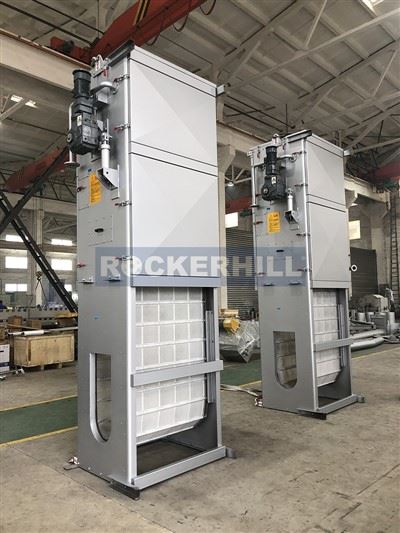
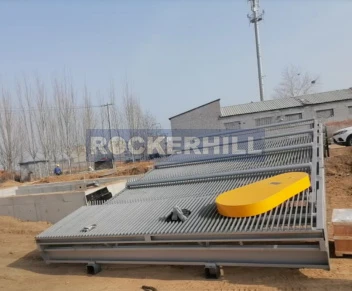
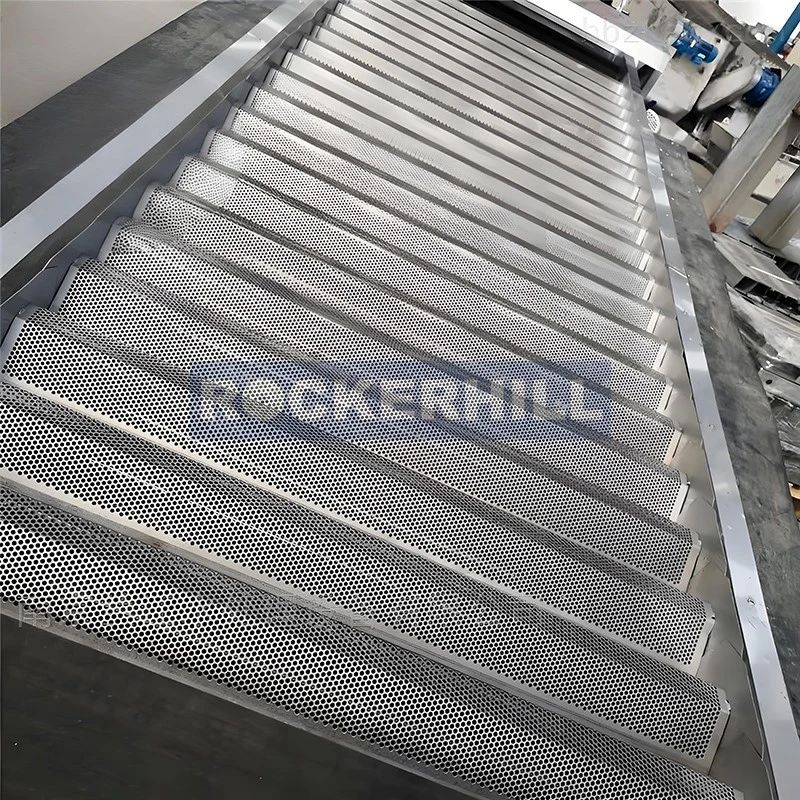
Constructed from stainless steel or high - strength plastic, step screens feature a series of overlapping steps. When water flows over these steps, debris such as branches, leaves, and trash gets caught on the horizontal surfaces. The unique stepped design allows water to continue its flow while effectively trapping the debris. To prevent blockages and maintain optimal performance, a mechanical cleaning system, commonly a chain - driven rake, moves along the steps at regular intervals. This rake sweeps away the accumulated debris, transporting it to a collection point for proper disposal. This automated cleaning process ensures the continuous and efficient operation of the step screens, protecting downstream equipment like pumps and filters.
-
![Step Screen Wastewater]() Step Screen WastewaterStep screen wastewater systems are specialized, automated filtration devices designed to remove solids from wastewater streams in municipal, industrial, and commercial treatment plants.view more
-
![Mechanical Screen Wastewater]() Mechanical Screen WastewaterDesign: Vertical or inclined bars with a motorized rake that ascends/descends to scrape debris.view more
Best For: Municipal wastewater with high volumes of rags and fibrous materials.
Spacing: 10–50mm (standard) or 3–10mm (fine)... -
![Step Screen Design]() Step Screen DesignTeeth are angled at 45°–60° to grip fibrous materials (e.g., rags, hair) without tearing, ensuring secure transport.view more
Tooth spacing is customizable: 3–5mm for fine solids (e.g., food particles), 5–10mm for general wastewater...


Key Advantages of Step Screens
The stepped structure of step screens offers exceptional debris - interception efficiency, significantly reducing the risk of blockages compared to traditional flat screens. Thanks to their corrosion - resistant build, made from materials like stainless steel 304 and 316, or durable plastics, step screens can withstand harsh water conditions and have a long service life. Maintenance is straightforward as the components of the cleaning mechanism are easily accessible. Moreover, these screens can be customized in terms of size, with adjustable step height and width, enabling them to fit various water channels and accommodate different flow rates. Additionally, step screens consume less energy during operation, making them a cost - effective choice for long - term use.
Design Considerations of Step Screens
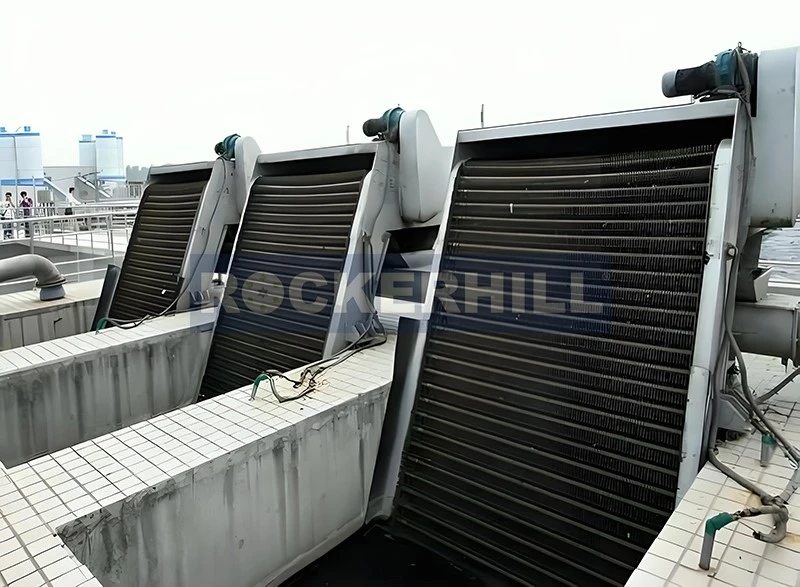
Designing step screens requires careful consideration of multiple factors. The height and width of each step need to be determined based on the expected size and volume of debris. Smaller step dimensions can capture finer debris but might increase the cleaning frequency, while larger steps are better for handling larger objects. Material selection mainly involves stainless steel 304 for general use and stainless steel 316 for harsher environments. The cleaning mechanism should remove debris without damaging the steps, and the screen size must match the water channel for efficient screening.
Cost and Comparisons of Step Screens
The cost of step screens is influenced by material, size, and the complexity of the cleaning mechanism. High - grade stainless - steel step screens, especially those made from stainless steel 316 and equipped with automated cleaning systems, have a higher upfront cost. However, their durability and reduced maintenance requirements lead to long - term savings. Custom - designed step screens also tend to be more expensive due to the tailored engineering involved. When compared to belt screens, step screens are more suitable for slow - moving water with a high demand for debris interception, such as in the initial stages of wastewater treatment. Belt screens, on the other hand, are better for fast - flowing, high - volume water scenarios, like large - scale river water intakes.
Applications of Step Screens
Step screens are widely utilized across various industries. In municipal wastewater plants, they are installed at the inlets to remove large solids from the incoming sewage, protecting the subsequent treatment processes. In industrial water intakes, such as those in power plants or manufacturing facilities, step screens prevent debris from entering critical systems, ensuring smooth operations and minimizing the risk of equipment failures. In hydropower plants, they play a vital role in safeguarding turbines by intercepting debris that could potentially cause significant damage. Additionally, in irrigation systems, step screens keep water channels clear, ensuring a consistent and clean water supply for agricultural purposes.
We're professional step screen manufacturers and suppliers in China, specialized in providing high quality custom service. We warmly welcome you to buy high-grade step screen at competitive price from our factory.