Hey there! As a sluice gate supplier, I often get asked about how sluice gates work in tidal areas. It's a fascinating topic, and I'm excited to share some insights with you.
Understanding Tidal Areas
First off, let's talk a bit about tidal areas. Tides are caused by the gravitational pull of the moon and the sun on the Earth's oceans. In tidal areas, the water level rises and falls regularly throughout the day. These changes can be quite significant, and they bring a unique set of challenges and opportunities.
For example, tidal areas are often rich in marine life, and they can be great for activities like fishing and boating. But they also pose risks, such as flooding during high tides. That's where sluice gates come in.
What Are Sluice Gates?
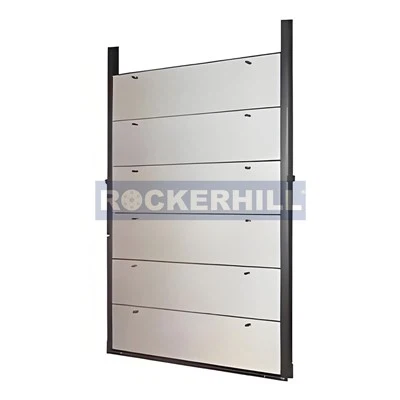
Sluice gates are basically large valves or barriers that can be opened or closed to control the flow of water. They're used in a variety of settings, but in tidal areas, their main job is to manage the water level and prevent flooding.
Think of a sluice gate like a big door for water. When it's open, water can flow through freely. When it's closed, it blocks the water's path. Simple, right?
How Sluice Gates Work in Tidal Areas
Controlling Water Flow
One of the primary functions of sluice gates in tidal areas is to control the flow of water between different bodies of water, like a river and the ocean. During high tide, the ocean water level rises, and there's a risk of it flowing into the river and causing flooding. By closing the sluice gate, we can stop this flow and protect the inland areas.
Conversely, during low tide, the water level in the ocean drops. If there's excess water in the river, we can open the sluice gate to let it flow out into the ocean. This helps to maintain a stable water level in the river and prevents it from overflowing.
Managing Water Quality
Sluice gates can also play a role in managing water quality. In tidal areas, the water in the ocean and the river can have different characteristics. For example, ocean water is saltier than river water. By controlling the flow of water between the two, we can prevent the intrusion of saltwater into the river, which is important for the health of freshwater ecosystems and for water supply.
We can also use sluice gates to flush out pollutants from the river. By opening the gate at the right time, we can let the incoming or outgoing tide carry away any contaminants.
Energy Generation
Another interesting application of sluice gates in tidal areas is for energy generation. Tidal energy is a renewable source of energy that harnesses the power of the tides. Sluice gates can be used to create a difference in water levels, which can then be used to drive turbines and generate electricity.
When the tide is coming in, the sluice gate is closed to trap the water. As the tide rises, the water level on one side of the gate becomes higher than the other. When the gate is opened, the water rushes through, turning the turbines and producing electricity.
Components of Sluice Gates
Sluice gates are made up of several components that work together to ensure their proper functioning.
The Gate Itself
The gate is the main part of the sluice gate system. It's usually made of a strong material, like steel or concrete, and is designed to withstand the pressure of the water. The gate can be opened and closed using different mechanisms, such as hydraulic cylinders or winches.
Frame and Seals
The frame provides support for the gate and helps to keep it in place. Seals are used to prevent water from leaking around the edges of the gate when it's closed. These seals are typically made of rubber or other flexible materials that can form a tight seal.
Control System
A control system is used to operate the sluice gate. This can be a manual system, where an operator physically opens and closes the gate, or an automated system that uses sensors and computers to control the gate based on the water level and other factors.
Related Equipment and Technologies
In addition to sluice gates, there are other pieces of equipment and technologies that are often used in conjunction with them in tidal areas.
Solar Reverse Osmosis
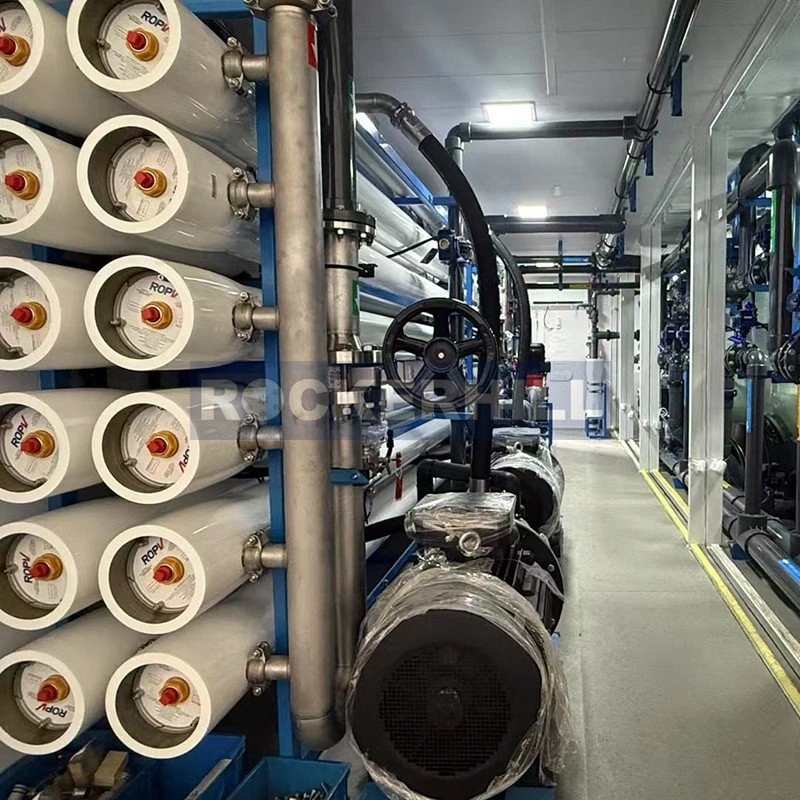
Solar Reverse Osmosis (Solar Reverse Osmosis) is a water treatment technology that uses solar energy to desalinate seawater. In tidal areas, where there's a lot of seawater available, this technology can be used to produce freshwater for drinking and other purposes. Sluice gates can be used to control the flow of seawater into the reverse osmosis system.
Ultrafiltration Machine
An Ultrafiltration Machine (Ultrafiltration Machine) is another water treatment device that can be used in tidal areas. It uses a membrane to filter out impurities and particles from the water. Sluice gates can be used to direct the water flow through the ultrafiltration machine for treatment.
Pressure Control Valve
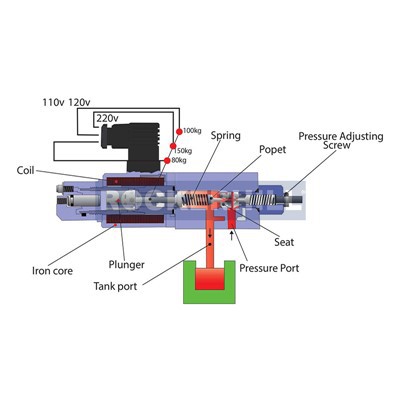
A Pressure Control Valve (Pressure Control Valve) is used to regulate the pressure of the water in the sluice gate system. It ensures that the pressure doesn't get too high, which could damage the gate or other components.
Maintenance and Monitoring
To ensure the reliable operation of sluice gates in tidal areas, regular maintenance and monitoring are essential.
Maintenance
Maintenance tasks include inspecting the gate for any signs of damage, lubricating the moving parts, and checking the seals for leaks. It's also important to clean the gate and remove any debris that may have accumulated on it.
Monitoring
Monitoring involves keeping track of the water level, the position of the gate, and the performance of the control system. This can be done using sensors and monitoring equipment. By constantly monitoring the system, we can detect any problems early and take corrective action before they become serious.

Why Choose Our Sluice Gates
As a sluice gate supplier, we offer high-quality sluice gates that are designed to meet the specific needs of tidal areas. Our gates are made from durable materials and are built to last. We also provide comprehensive installation and maintenance services to ensure that your sluice gate system operates smoothly.
If you're in the market for a sluice gate for your tidal area project, I encourage you to get in touch with us. We'd be happy to discuss your requirements and provide you with a customized solution. Whether you need a small gate for a local river or a large-scale gate for a major coastal project, we've got you covered.
So, don't hesitate to reach out and start the conversation. Together, we can make your tidal area project a success.
References
- "Tidal Energy: Technology and Applications" by John A. Harrison
- "Water Resources Engineering" by Larry W. Mays
- "Coastal Engineering: Processes, Theory and Design Practice" by Ian A. McInnes