In the realm of water treatment, Disc Tube Reverse Osmosis (DTRO) technology has emerged as a game - changer, offering efficient and reliable solutions for a wide range of applications. As a DTRO supplier, I have witnessed firsthand the transformative impact of this technology and want to share insights on how to optimize its use.
Understanding DTRO Technology
Before delving into optimization strategies, it's essential to understand the fundamentals of DTRO technology. Disc Tube Reverse Osmosis is a specialized form of reverse osmosis that utilizes a unique disc - tube membrane design. Unlike traditional reverse osmosis systems, DTRO membranes are arranged in a series of discs separated by spacers, creating a turbulent flow path. This design minimizes fouling and scaling, allowing DTRO systems to handle high - salinity and complex wastewater streams effectively.
The heart of the DTRO system is the DTRO Membrane. These membranes are made from high - quality materials that have excellent rejection rates for various contaminants, including salts, heavy metals, and organic compounds. The ability of DTRO membranes to operate under high pressure and in harsh conditions makes them ideal for applications such as landfill leachate treatment, industrial wastewater treatment, and desalination of brackish water.
Pre - treatment Optimization
One of the key factors in optimizing the use of DTRO is proper pre - treatment. Pre - treatment helps to remove large particles, suspended solids, and potential foulants from the feed water, reducing the load on the DTRO membranes and extending their lifespan.
Screening and Filtration
The first step in pre - treatment is usually screening to remove large debris such as sticks, leaves, and plastic pieces. This can be achieved using bar screens or fine mesh screens. After screening, the water typically undergoes filtration to remove smaller particles. Sand filters, multimedia filters, or cartridge filters can be used depending on the nature of the feed water. These filters can effectively remove suspended solids, reducing the risk of membrane fouling.
Chemical Pre - treatment
Chemical pre - treatment is also crucial for DTRO systems. Coagulants and flocculants can be added to the feed water to agglomerate small particles into larger ones, making them easier to remove by filtration. Additionally, pH adjustment may be necessary to prevent scaling on the membranes. For example, if the feed water has a high calcium carbonate content, acid can be added to lower the pH and prevent the precipitation of calcium carbonate on the membrane surface.
Biological Pre - treatment
In some cases, biological pre - treatment can be employed, especially for wastewater with high organic content. Biological processes such as activated sludge or anaerobic digestion can break down organic matter, reducing the organic load on the DTRO membranes. This not only improves the performance of the DTRO system but also reduces the risk of biofouling.
Operating Conditions Optimization
Optimizing the operating conditions of the DTRO system is essential for achieving maximum efficiency and membrane lifespan.
Pressure and Flow Rate
The pressure and flow rate of the DTRO system need to be carefully controlled. Higher pressures generally result in higher water production rates, but they also increase the energy consumption and the risk of membrane damage. On the other hand, too low a pressure may lead to insufficient water production. The optimal pressure depends on factors such as the type of feed water, the membrane characteristics, and the desired water quality. Similarly, the flow rate should be adjusted to ensure a uniform distribution of the feed water across the membranes and to maintain the turbulent flow pattern that is characteristic of DTRO systems.
Temperature
Temperature can also have a significant impact on the performance of DTRO systems. Generally, higher temperatures increase the water flux through the membranes, but they also increase the risk of membrane degradation. Most DTRO membranes have an optimal operating temperature range, and the system should be designed to maintain the feed water temperature within this range. In cold climates, heating may be required, while in hot climates, cooling may be necessary.

Recovery Rate
The recovery rate of a DTRO system refers to the percentage of the feed water that is converted into permeate. A higher recovery rate means more water is being treated and less concentrate is being produced. However, increasing the recovery rate also increases the concentration of contaminants in the concentrate, which can lead to scaling and fouling. Therefore, the recovery rate needs to be optimized based on the feed water quality and the system's design.
Membrane Maintenance and Cleaning
Regular membrane maintenance and cleaning are essential for the long - term performance of DTRO systems.
Monitoring and Analysis
Continuous monitoring of the system's performance parameters such as pressure, flow rate, conductivity, and turbidity is crucial. By analyzing these data, operators can detect early signs of membrane fouling or scaling and take appropriate action. For example, an increase in the differential pressure across the membranes may indicate fouling, while an increase in the conductivity of the permeate may suggest membrane damage.
Chemical Cleaning
When fouling or scaling occurs, chemical cleaning is usually required. The type of cleaning chemicals used depends on the nature of the foulants. For organic fouling, oxidizing agents such as sodium hypochlorite or hydrogen peroxide can be used. For inorganic scaling, acid cleaners such as citric acid or hydrochloric acid may be effective. However, chemical cleaning should be carried out carefully to avoid damaging the membranes.
Membrane Replacement
Despite proper maintenance and cleaning, DTRO membranes will eventually reach the end of their lifespan. Regular inspection of the membranes can help determine when replacement is necessary. Signs of membrane failure include a significant decrease in water production, a sharp increase in the conductivity of the permeate, or visible damage to the membrane surface.
System Design and Configuration
The design and configuration of the DTRO system also play a vital role in its optimization.
Modular Design
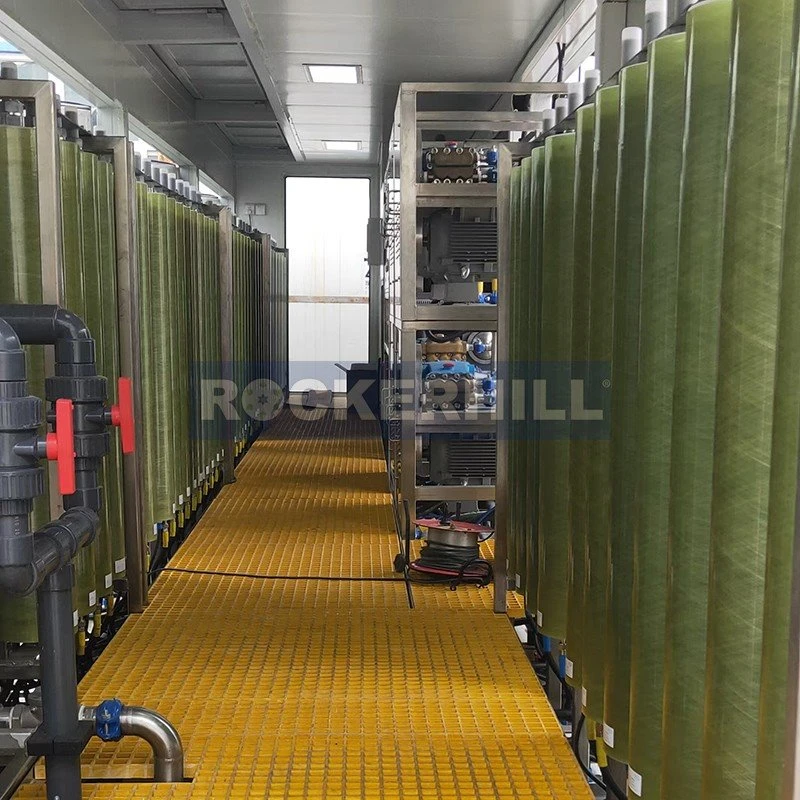
A modular design allows for easy expansion and customization of the DTRO system. Modular units can be added or removed based on the changing water treatment requirements. This flexibility is particularly useful for industries with fluctuating production levels or for municipalities that need to adjust their water treatment capacity over time.
Energy - efficient Design
Energy consumption is a major cost factor in DTRO systems. Therefore, an energy - efficient design is essential. This can be achieved through the use of high - efficiency pumps, energy recovery devices, and optimized system layouts. For example, energy recovery devices can capture the pressure energy from the concentrate stream and use it to reduce the energy required to pump the feed water.
Conclusion
Optimizing the use of DTRO technology requires a comprehensive approach that includes proper pre - treatment, optimization of operating conditions, regular membrane maintenance and cleaning, and a well - designed system configuration. As a DTRO supplier, we are committed to providing our customers with the best - in - class products and technical support to help them achieve the highest level of performance from their DTRO systems.
If you are interested in learning more about our DTRO products or have specific water treatment needs, we encourage you to contact us for a detailed discussion and to explore potential purchasing opportunities. Our team of experts is ready to assist you in finding the most suitable DTRO solution for your application.
References
- Cheryan, M. Ultrafiltration and Microfiltration Handbook. Technomic Publishing Co., 1998.
- Mulder, M. Basic Principles of Membrane Technology. Kluwer Academic Publishers, 1996.
- Porter, M. C. Handbook of Industrial Membrane Technology. Noyes Publications, 1990.