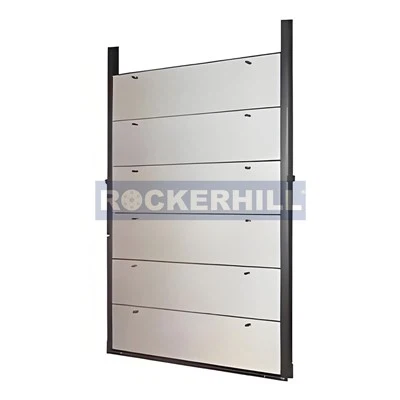
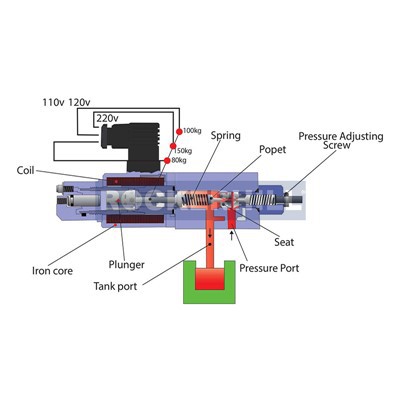
Hey there! As a supplier of radial gates, I've seen firsthand how crucial these gates are in small - scale water conservancy projects. In this blog, I'll walk you through the steps of designing a radial gate for such projects.
Understanding the Basics of Radial Gates
First off, let's talk about what radial gates are. A radial gate, also known as a Tainter Gate, is a type of hydraulic structure used to control the flow of water in rivers, canals, and dams. It consists of a curved gate leaf that rotates around a horizontal axis located at the top of the gate. This design allows for efficient water flow regulation and is widely used in both large - scale and small - scale water projects.
In small - scale water conservancy projects, radial gates are often used in irrigation systems, small dams, and flood control channels. They can be used to adjust the water level, control the flow rate, and prevent flooding.
Step 1: Project Assessment
The first step in designing a radial gate is to assess the project requirements. You need to understand the purpose of the water conservancy project, the water flow characteristics, and the site conditions.
For example, if it's an irrigation project, you need to know the required water flow rate for different crops at different growth stages. If it's a flood control project, you need to analyze the flood - peak flow and the water level changes during floods.
The site conditions also play a crucial role. You need to consider the topography of the area, the foundation conditions, and the available space for installing the gate. If the site has a soft foundation, you may need to design a special foundation structure for the gate to ensure its stability.
Step 2: Determining the Gate Dimensions
Once you have a clear understanding of the project requirements, you can start determining the dimensions of the radial gate. The main dimensions include the height, width, and curvature of the gate leaf.
The height of the gate is determined by the maximum water level that the gate needs to withstand. You need to add a certain safety margin to account for unexpected water level rises. The width of the gate depends on the required water flow rate. A wider gate can allow more water to pass through, but it also requires more space and a stronger support structure.
The curvature of the gate leaf is an important design parameter. A well - designed curvature can reduce the water pressure on the gate and improve its structural performance. Generally, the curvature is designed based on the hydrostatic pressure distribution and the mechanical properties of the gate material.
Step 3: Selecting the Gate Material
The choice of gate material is crucial for the durability and performance of the radial gate. Common materials used for radial gates include steel, concrete, and composite materials.
Steel gates are widely used because of their high strength, good ductility, and ease of fabrication. They can be easily welded and bolted together, allowing for flexible design and installation. However, steel gates are prone to corrosion, so they need to be properly coated and maintained.
Concrete gates are more suitable for large - scale projects or projects with a long service life. They have good durability and can withstand high water pressure. But concrete gates are heavy and require a strong foundation.
Composite materials, such as fiberglass - reinforced plastic (FRP), are becoming more popular in recent years. They have the advantages of light weight, corrosion resistance, and high strength - to - weight ratio. However, the cost of composite materials is relatively high.
Step 4: Designing the Support Structure
The support structure of the radial gate is responsible for supporting the weight of the gate leaf and the water pressure. It includes the hinge system, the truss structure, and the foundation.
The hinge system is the key component that allows the gate to rotate. It needs to be designed to withstand the large forces and moments generated during the opening and closing of the gate. A well - designed hinge system can ensure smooth operation and long - term reliability.
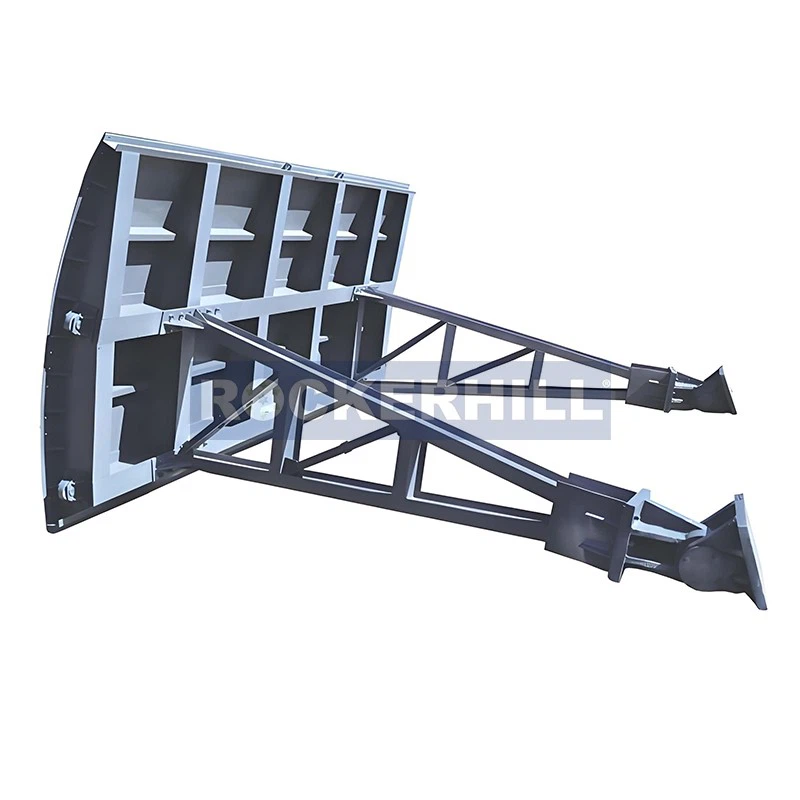
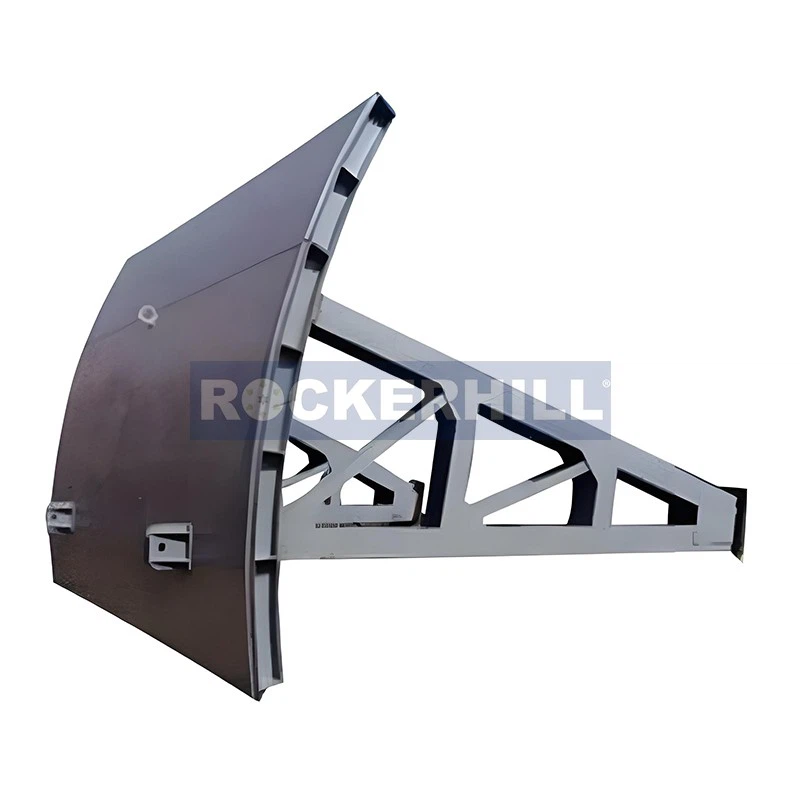
The truss structure is used to support the gate leaf and distribute the water pressure evenly. It can be designed in different shapes and configurations depending on the gate dimensions and the load conditions.
The foundation of the gate needs to be strong enough to support the entire gate structure. It should be designed based on the soil conditions and the load requirements. In some cases, you may need to use pile foundations or other special foundation techniques.
Step 5: Incorporating the Control System
A radial gate needs a control system to operate it. The control system can be manual, semi - automatic, or fully automatic.
In small - scale projects, a manual control system may be sufficient. It usually consists of a winch or a hand - operated gearbox. The operator can open or close the gate by turning the winch or operating the gearbox.
For more complex projects, a semi - automatic or fully automatic control system may be required. These systems use sensors, actuators, and controllers to monitor the water level, flow rate, and other parameters, and then adjust the gate position automatically.
Step 6: Conducting Structural Analysis
Before finalizing the design, it's essential to conduct a structural analysis of the radial gate. This analysis helps to ensure that the gate can withstand the expected loads and forces without failure.
You can use finite element analysis (FEA) software to simulate the stress and strain distribution in the gate structure under different load conditions. The analysis results can help you optimize the design, such as adjusting the thickness of the gate leaf, the size of the truss members, and the configuration of the support structure.
Step 7: Testing and Quality Assurance
Once the radial gate is fabricated, it needs to be tested to ensure its performance and quality. The tests may include hydraulic tests, mechanical tests, and corrosion resistance tests.
Hydraulic tests are used to verify the water flow characteristics and the sealing performance of the gate. Mechanical tests are conducted to check the strength and durability of the gate structure. Corrosion resistance tests are important for gates made of steel or other corrosion - prone materials.
Conclusion
Designing a radial gate for small - scale water conservancy projects is a complex process that requires careful consideration of many factors. From project assessment to testing and quality assurance, every step is crucial to ensure the success of the project.
If you're involved in a small - scale water conservancy project and need a high - quality radial gate, we're here to help. As a professional radial gate supplier, we have the expertise and experience to provide you with customized solutions. Our Dam Radial Gate and Tainter Gate products are designed to meet the highest standards of performance and reliability.
If you're interested in our products or have any questions about radial gate design, feel free to get in touch with us for a procurement discussion. We're looking forward to working with you!
References
- Chow, V. T. (1959). Open - Channel Hydraulics. McGraw - Hill.
- US Bureau of Reclamation. (1977). Design of Small Dams. US Government Printing Office.
- ASCE. (2007). Hydraulic Design of Flood Control Channels. American Society of Civil Engineers.