Hey there! As a control valve supplier, I've seen firsthand how crucial it is for these valves to work accurately. In this blog, I'm gonna share some tips on how to improve the accuracy of a control valve.
Understanding the Basics of Control Valves
Before we dive into the ways to improve accuracy, let's quickly go over what control valves are. Control valves are used in various industries to regulate the flow, pressure, temperature, or level of a fluid. There are different types of control valves, like Directional Control Valve and Pressure Control Valve. Each type has its own function and application.
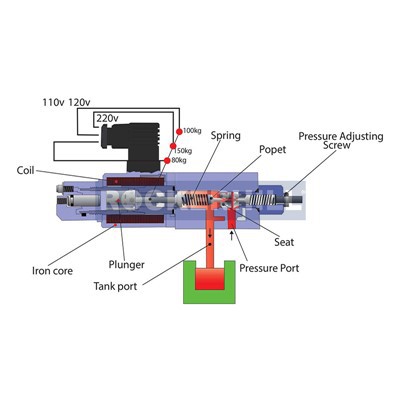
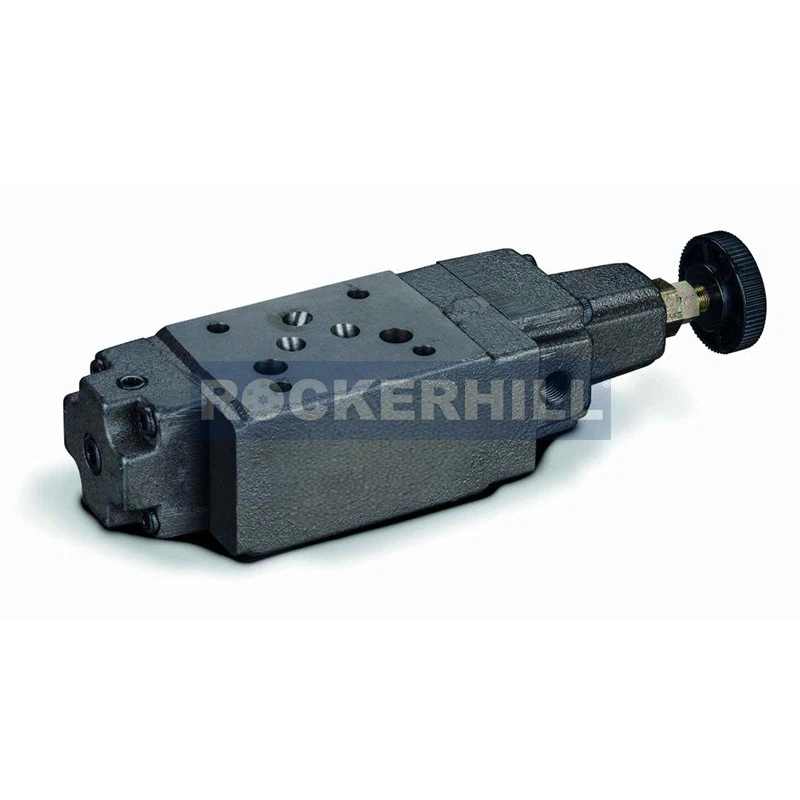
Directional control valves, as the name suggests, control the direction of fluid flow. They're commonly used in hydraulic systems to direct the flow of hydraulic fluid to different parts of the system. Pressure control valves, on the other hand, are used to maintain a specific pressure in a system. They can either relieve excess pressure or maintain a set pressure level.
Factors Affecting Control Valve Accuracy
There are several factors that can affect the accuracy of a control valve. One of the main factors is the valve's design. A poorly designed valve may not be able to accurately control the flow or pressure of the fluid. For example, if the valve's internal components are not properly sized or shaped, it can lead to inaccurate control.
Another factor is the quality of the valve's materials. Low-quality materials can wear out quickly, leading to leaks and inaccurate control. The environment in which the valve operates also plays a role. Harsh environments with high temperatures, corrosive chemicals, or abrasive particles can damage the valve and reduce its accuracy.
The control system that the valve is connected to is also important. If the control system is not properly calibrated or programmed, it can send incorrect signals to the valve, resulting in inaccurate control.
Tips to Improve Control Valve Accuracy
1. Proper Valve Selection
The first step in improving control valve accuracy is to select the right valve for the application. You need to consider factors like the type of fluid, the flow rate, the pressure, and the temperature. For example, if you're dealing with a high-pressure system, you'll need a valve that can handle that pressure. Make sure to choose a valve from a reputable manufacturer to ensure its quality and reliability.
2. Regular Maintenance
Regular maintenance is crucial for keeping a control valve accurate. This includes cleaning the valve, checking for leaks, and replacing worn-out parts. You should also lubricate the valve's moving parts to ensure smooth operation. A maintenance schedule should be established based on the valve's usage and the manufacturer's recommendations.

3. Calibration
Calibration is an important part of ensuring control valve accuracy. You need to calibrate the valve regularly to make sure it's operating within the specified range. This involves adjusting the valve's settings to match the desired flow or pressure. Calibration should be done using accurate measuring instruments and following the manufacturer's instructions.
4. Upgrade the Control System
If your control system is outdated or not working properly, consider upgrading it. A modern control system can provide more accurate and precise control signals to the valve. It can also monitor the valve's performance and detect any issues early on.
5. Monitor the Valve's Performance
Regularly monitoring the valve's performance can help you identify any potential problems before they become serious. You can use sensors to measure the flow, pressure, and temperature of the fluid. Analyzing the data from these sensors can give you insights into the valve's performance and help you make adjustments as needed.
6. Training for Operators
Make sure that the operators who are responsible for the control valve are properly trained. They should understand how the valve works, how to operate it safely, and how to perform basic maintenance tasks. Well-trained operators are more likely to notice any issues with the valve and take appropriate action.
Case Studies
Let me share a couple of case studies to illustrate how these tips can improve control valve accuracy.
In one case, a chemical processing plant was experiencing inaccurate control of the flow of a corrosive chemical. The plant was using a low-quality control valve that was quickly deteriorating due to the corrosive nature of the chemical. After replacing the valve with a high-quality valve made from corrosion-resistant materials and implementing a regular maintenance schedule, the accuracy of the flow control improved significantly.
In another case, a power plant was having trouble maintaining a stable pressure in its steam system. The control system was outdated and was sending incorrect signals to the pressure control valve. After upgrading the control system and calibrating the valve, the pressure control became much more accurate, resulting in improved efficiency and reduced downtime.
Conclusion
Improving the accuracy of a control valve is essential for ensuring the efficient and reliable operation of various industrial processes. By following the tips I've shared in this blog, such as proper valve selection, regular maintenance, calibration, upgrading the control system, monitoring performance, and training operators, you can significantly enhance the accuracy of your control valves.
If you're looking for high-quality control valves or need help with improving the accuracy of your existing valves, don't hesitate to reach out. We're here to assist you in finding the best solutions for your specific needs. Let's work together to ensure that your control valves are operating at their best.
References
- "Control Valve Handbook" by Clark W. Langeland
- "Industrial Control Valves: Selection, Sizing, and Application" by Richard W. Miller