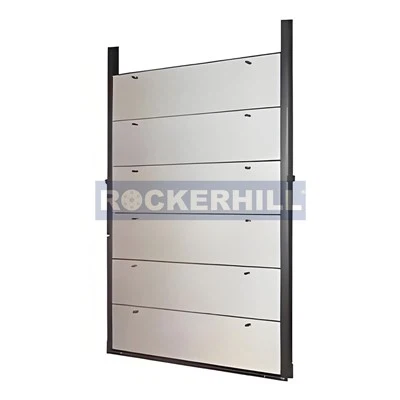
Corrosion is a significant concern when it comes to hydro gates, as it can compromise their structural integrity, functionality, and longevity. As a hydro gate supplier, we understand the importance of regular inspections to detect and address corrosion issues promptly. In this blog post, we will discuss how to inspect hydro gates for corrosion, providing you with a comprehensive guide to ensure the optimal performance of your hydro gates.
Pre - inspection Preparations
Before starting the inspection, it is crucial to gather the necessary tools and equipment. You will need a flashlight to illuminate hard - to - reach areas, a measuring tape to assess the dimensions of any corroded spots, a magnifying glass to closely examine the surface for early signs of corrosion, and a corrosion detection kit if available. Additionally, ensure that you have proper safety gear, such as hard hats, safety glasses, and steel - toed boots, as the inspection environment may be hazardous.


Visual Inspection
The first step in inspecting hydro gates for corrosion is a thorough visual inspection. Start by examining the overall appearance of the gate. Look for any signs of rust, discoloration, or pitting on the surface. Rust typically appears as a reddish - brown flaky substance, while pitting presents as small holes or depressions in the metal.
Check the areas where the gate comes into contact with water, such as the bottom edge and the sides. These areas are more prone to corrosion due to constant exposure to moisture. Also, inspect the joints and connections of the gate, as these can be weak points where corrosion may start. For example, if the gate is made up of multiple sections joined together, examine the welds or bolts for signs of rust or deterioration.
Another critical area to inspect is the gate's coating. If the gate has a protective coating, check for any signs of peeling, cracking, or blistering. A damaged coating can expose the underlying metal to the elements, leading to corrosion. You can use a magnifying glass to look for small cracks or chips in the coating that may not be visible to the naked eye.
Non - destructive Testing (NDT)
In addition to visual inspection, non - destructive testing methods can be used to detect hidden corrosion. One common NDT method is ultrasonic testing. This technique uses high - frequency sound waves to detect internal flaws in the metal, such as corrosion - induced voids or thinning of the material. An ultrasonic testing device sends sound waves into the metal, and the reflected waves are analyzed to identify any irregularities.
Magnetic particle testing is another NDT method suitable for ferromagnetic materials, which are commonly used in hydro gates. This method involves applying a magnetic field to the surface of the gate and then sprinkling magnetic particles on it. If there is a crack or corrosion - related defect in the metal, the magnetic field will be disrupted, and the magnetic particles will accumulate at the site of the defect, making it visible.
Radiographic testing, such as X - ray or gamma - ray testing, can also be used to detect internal corrosion. This method provides a detailed image of the internal structure of the gate, allowing inspectors to identify areas of corrosion that may not be accessible through other means. However, radiographic testing requires specialized equipment and trained personnel, and it also involves safety risks associated with radiation exposure.
Measuring Corrosion Depth
Once corrosion is detected, it is essential to measure the depth of the corrosion. This information helps in determining the severity of the problem and the appropriate course of action. A simple way to measure corrosion depth is by using a depth gauge. Place the depth gauge on the surface of the corroded area and measure the distance from the surface to the bottom of the pit or the corroded section.
If the corrosion is widespread, it may be necessary to take multiple measurements at different locations to get an accurate assessment of the overall corrosion depth. You can then use these measurements to calculate the average corrosion depth and compare it to industry standards or the manufacturer's recommendations.
Evaluating the Impact on Gate Functionality
After detecting and measuring the corrosion, the next step is to evaluate how it affects the gate's functionality. Check if the corrosion has caused any distortion or misalignment of the gate. A corroded gate may not close or open properly, leading to water leakage or reduced flow control.
Inspect the gate's operating mechanisms, such as the hoist system or the actuator. Corrosion in these components can cause increased friction, reduced efficiency, or even mechanical failure. For example, if the hoist cables are corroded, they may break under stress, which can be extremely dangerous.
Documentation and Reporting
It is crucial to document all the findings of the inspection. Take detailed notes about the location, extent, and severity of the corrosion. Include measurements, photographs, and any observations about the gate's functionality. This documentation will serve as a record of the gate's condition over time and can be used to plan maintenance and repair activities.
Generate a comprehensive inspection report that includes all the relevant information. The report should also provide recommendations for addressing the corrosion issues, such as surface treatment, coating repair, or replacement of corroded components. Share the report with the relevant stakeholders, such as the facility manager or the maintenance team.
Preventive Measures
To minimize the risk of corrosion in the future, it is important to implement preventive measures. One of the most effective ways is to maintain a proper coating system on the gate. Regularly inspect and repair the coating as needed to ensure its integrity.
Proper water management is also crucial. Control the water quality, such as reducing the levels of dissolved oxygen and contaminants in the water. Additionally, ensure that the gate is properly drained when not in use to prevent water from pooling on the surface.
Regular maintenance, including lubrication of moving parts and inspection of electrical components (if applicable), can also help prevent corrosion. By following these preventive measures, you can extend the lifespan of your hydro gates and reduce the frequency of corrosion - related issues.
Our Hydro Gate Products
At our company, we offer a wide range of high - quality hydro gates, including Hydro Gate Slide Gates and Heavy Duty Sluice Gates. Our gates are designed and manufactured using the latest technology and high - grade materials to resist corrosion and provide long - term performance.
If you are in the market for hydro gates or need assistance with corrosion inspection and maintenance, we are here to help. Our team of experts has extensive experience in the field and can provide you with professional advice and solutions tailored to your specific needs. Contact us today to discuss your requirements and explore how our products can meet your hydro gate needs.
References
- ASCE (American Society of Civil Engineers). "Guidelines for the Design and Construction of Hydraulic Gates."
- ASTM (American Society for Testing and Materials). "Standards for Corrosion Testing and Evaluation of Metals."
- Manufacturer's manuals and technical documents for hydro gates.