As a control valve supplier, I've witnessed firsthand the critical role that I/P (current-to-pressure) converters play in a control valve system. These devices are essential for translating electrical signals into precise pneumatic pressure outputs, which in turn control the position of the valve. Ensuring the proper maintenance of I/P converters is crucial for the efficient and reliable operation of the entire control valve system. In this blog post, I'll share some practical tips on how to maintain an I/P converter in a control valve system.
Understanding the Basics of I/P Converters
Before delving into maintenance procedures, it's important to have a basic understanding of how I/P converters work. An I/P converter takes an electrical input signal, typically in the form of a 4 - 20 mA current, and converts it into a proportional pneumatic output pressure. This output pressure is then used to actuate the control valve, allowing for precise control of fluid flow, pressure, or other process variables.
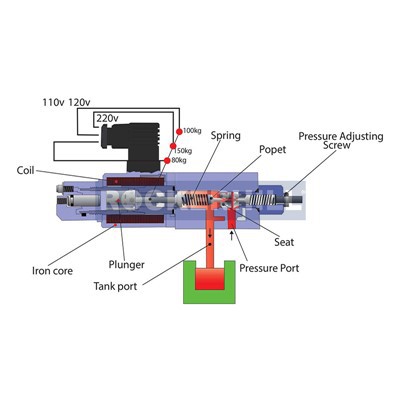
The main components of an I/P converter include an electrical coil, a flapper - nozzle assembly, and a feedback mechanism. The electrical coil generates a magnetic field that moves the flapper, which in turn changes the air gap at the nozzle. This change in the air gap affects the back pressure, which is regulated to provide the desired output pressure. The feedback mechanism ensures that the output pressure is accurately proportional to the input current.
Regular Inspection
Regular inspection is the first line of defense in maintaining an I/P converter. Visual inspections should be conducted at regular intervals to check for any signs of physical damage, such as cracks, leaks, or loose connections. Inspect the electrical wiring for any signs of fraying or corrosion, as these can lead to signal loss or inaccurate readings.
Check the air supply connections for leaks. A leak in the air supply can cause the I/P converter to operate inefficiently or produce inaccurate output pressures. You can use a soap - water solution to detect leaks; if bubbles form at a connection point, it indicates a leak.
Inspect the filter in the air supply line. A clogged filter can restrict the air flow to the I/P converter, affecting its performance. Replace the filter if it is dirty or clogged.
Cleaning
Cleaning is an important part of I/P converter maintenance. Over time, dust, dirt, and other contaminants can accumulate on the internal components of the converter, such as the flapper - nozzle assembly. This can cause the converter to malfunction or produce inaccurate output pressures.
To clean the I/P converter, first, disconnect the electrical and pneumatic connections. Remove the cover of the converter and carefully clean the internal components using a soft, dry brush or compressed air. Be careful not to damage any delicate components during the cleaning process.
If the components are heavily soiled, you may need to use a mild cleaning solution. However, make sure to follow the manufacturer's instructions when using any cleaning agents, as some chemicals can damage the converter.
Calibration
Calibration is essential to ensure that the I/P converter is providing accurate output pressures in response to the input electrical signals. Over time, the performance of the converter can drift, leading to inaccurate control of the control valve.
Calibration should be performed at regular intervals, as recommended by the manufacturer. To calibrate the I/P converter, you will need a precision pressure gauge and a calibrated current source.
First, apply a known current signal (e.g., 4 mA and 20 mA) to the input of the I/P converter and measure the corresponding output pressure using the pressure gauge. Compare the measured output pressures with the expected values. If there is a significant deviation, adjust the calibration screws on the converter until the output pressures match the expected values.
Testing
In addition to regular calibration, periodic testing of the I/P converter is also necessary to ensure its proper functioning. You can perform a step - response test to evaluate the dynamic performance of the converter.
Apply a step change in the input current signal and observe the output pressure response. The output pressure should change rapidly and smoothly to the new setpoint. If there is a significant delay or overshoot in the response, it may indicate a problem with the converter, such as a worn - out component or a clogged air passage.
You can also perform a linearity test to check if the output pressure is linearly proportional to the input current. Apply a series of evenly spaced current values to the input of the converter and measure the corresponding output pressures. Plot the data on a graph and check if the relationship between the input current and output pressure is linear. A non - linear relationship may indicate a calibration issue or a problem with the internal components of the converter.
Environmental Considerations
The environment in which the I/P converter operates can have a significant impact on its performance and lifespan. High temperatures, humidity, dust, and corrosive substances can all damage the converter.
If the converter is installed in a harsh environment, consider using protective enclosures or shelters to shield it from the elements. Additionally, ensure that the air supply to the converter is clean and dry. You may need to install additional filters, dryers, or regulators in the air supply line to remove moisture and contaminants.


Troubleshooting
Even with regular maintenance, problems may still occur with the I/P converter. Here are some common problems and their possible solutions:
- No output pressure: Check the electrical power supply and the input current signal. Make sure that the air supply is connected and there are no leaks in the air supply line. If the problem persists, the converter may be damaged and need to be replaced.
- Inaccurate output pressure: Perform a calibration check and adjust the calibration if necessary. Check for any signs of physical damage or contamination in the internal components. Clean or replace the components as needed.
- Erratic output pressure: This may be caused by a loose electrical connection, a leak in the air supply, or a problem with the feedback mechanism. Check all the connections and seals, and inspect the feedback mechanism for any signs of damage.
Importance of Maintenance for Control Valve Systems
Proper maintenance of the I/P converter is crucial for the overall performance of the control valve system. A well - maintained I/P converter ensures accurate control of the valve, which in turn leads to better process control, improved product quality, and increased energy efficiency.
In a control valve system, the I/P converter is often the link between the electronic control system and the pneumatic actuator. Any malfunction or inaccuracy in the I/P converter can disrupt the entire control loop, leading to process instability, equipment damage, and even safety hazards.
For example, in a Pressure Control Valve system, an inaccurate I/P converter can cause the valve to open or close at the wrong time, resulting in fluctuations in pressure. This can affect the performance of downstream equipment and may even lead to system failures. Similarly, in a Directional Control Valve system, a malfunctioning I/P converter can cause the valve to change direction incorrectly, leading to improper flow control.
Conclusion
Maintaining an I/P converter in a control valve system is a critical task that requires regular inspection, cleaning, calibration, and testing. By following these maintenance procedures and considering the environmental factors, you can ensure the reliable and efficient operation of the I/P converter and the entire control valve system.
If you are in the market for high - quality control valves and related components, or if you need more information on I/P converter maintenance, we are here to help. Our team of experts can provide you with the best solutions tailored to your specific needs. Contact us today to start a procurement discussion and take your control valve system to the next level.
References
- Manufacturer's manuals for I/P converters and control valves
- Industry standards and guidelines for control valve maintenance
- Technical papers on the operation and maintenance of control valve systems