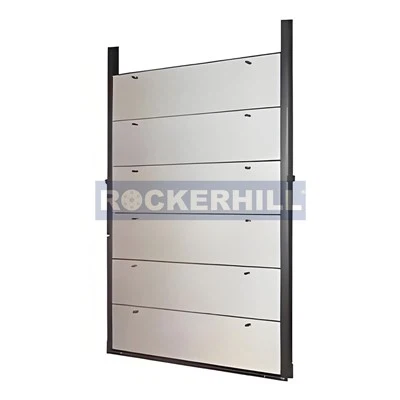
As a step screen supplier, I understand the importance of keeping these essential pieces of equipment in optimal working condition. Step screens play a crucial role in wastewater treatment, industrial processes, and various other applications by effectively removing debris and solids from liquid streams. However, like any mechanical device, step screens can encounter issues that require troubleshooting. In this blog post, I'll share some comprehensive tips on how to troubleshoot a step screen to ensure its smooth operation.
1. Initial Checks
Before delving into more complex troubleshooting, it's essential to perform some basic checks. First, visually inspect the step screen for any obvious signs of damage, such as bent steps, broken chains, or loose components. Check the drive system, including motors, gears, and belts, to ensure they are functioning properly. Look for any signs of leaks, unusual noises, or vibrations, as these can indicate underlying problems.
2. Power and Electrical Issues
One of the most common causes of step screen malfunctions is power and electrical problems. Start by checking the power supply to the screen. Ensure that the circuit breaker hasn't tripped and that all electrical connections are secure. If the screen has a control panel, check for any error messages or indicators. Refer to the manufacturer's manual for specific troubleshooting steps related to the control system.
3. Mechanical Component Inspection
The mechanical components of a step screen are subject to wear and tear over time. Inspect the steps, chains, sprockets, and bearings for signs of excessive wear, corrosion, or damage. Replace any worn or damaged parts immediately to prevent further issues. Lubricate all moving parts according to the manufacturer's recommendations to reduce friction and extend the lifespan of the components.
4. Clogging and Blockages
Clogging is a frequent problem in step screens, especially when dealing with high volumes of debris or solids. Check the steps and the screen media for any blockages. Use a high-pressure water jet or a suitable cleaning tool to remove any accumulated debris. If the clogging persists, it may be necessary to adjust the screen's operating parameters, such as the step speed or the rake cycle time.
5. Alignment and Leveling
Proper alignment and leveling are crucial for the efficient operation of a step screen. Check the alignment of the steps, chains, and sprockets to ensure they are running smoothly. Use a level to check the screen's horizontal and vertical alignment. If the screen is not level, it can cause uneven wear on the components and lead to premature failure. Adjust the leveling feet or mounting brackets as needed to correct any misalignment.
6. Hydraulic System Troubleshooting
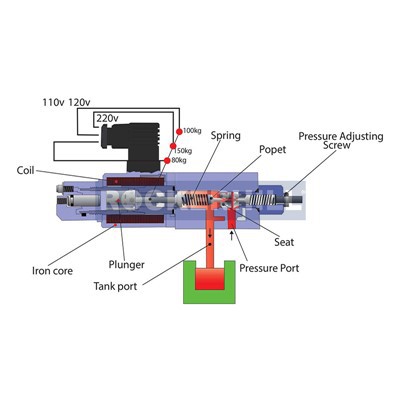
If the step screen is equipped with a hydraulic system, it's important to check the hydraulic fluid level, pressure, and temperature. Low fluid levels can cause the system to malfunction, while high pressure or temperature can indicate a more serious problem. Inspect the hydraulic hoses and fittings for any signs of leaks or damage. Replace any worn or damaged hoses and fittings immediately.
7. Software and Control System Issues
Modern step screens often come with advanced software and control systems that allow for precise operation and monitoring. If the screen is experiencing issues with its software or control system, refer to the manufacturer's manual for troubleshooting steps. Check for any software updates or patches that may be available to address known issues. If necessary, contact the manufacturer's technical support team for further assistance.
8. Regular Maintenance and Inspection
Preventive maintenance is key to keeping a step screen in good working condition. Establish a regular maintenance schedule that includes cleaning, lubrication, inspection, and replacement of worn parts. Keep detailed records of all maintenance activities to track the screen's performance over time. By following a proactive maintenance plan, you can minimize the risk of breakdowns and extend the lifespan of the step screen.
9. Consult the Manufacturer
If you are unable to troubleshoot the step screen on your own, don't hesitate to consult the manufacturer. Most manufacturers offer technical support and assistance to help customers resolve issues with their products. Provide the manufacturer with detailed information about the problem, including any error messages, symptoms, and maintenance history. The manufacturer's technical support team can often provide valuable insights and guidance to help you get the step screen back up and running.
10. Training and Education
Proper training and education are essential for anyone responsible for operating and maintaining a step screen. Ensure that all operators and maintenance personnel are trained on the correct operation, maintenance, and troubleshooting procedures for the specific step screen model. Provide ongoing training and education to keep the staff up-to-date with the latest technologies and best practices.
In conclusion, troubleshooting a step screen requires a systematic approach and a thorough understanding of the equipment. By following the tips outlined in this blog post, you can effectively identify and resolve common issues with step screens. Remember to perform regular maintenance and inspections to prevent problems from occurring in the first place. If you have any questions or need further assistance, don't hesitate to contact us. We are a leading step screen supplier, and we are committed to providing our customers with high-quality products and excellent customer service.
If you are interested in learning more about step screens, including Mechanical Screen Wastewater, Step Screen Design, and Step Screen Wastewater, please visit our website or contact us for more information. We look forward to working with you to meet your step screen needs.


References
- Manufacturer's manuals for step screens
- Industry standards and best practices for wastewater treatment equipment
- Technical literature on mechanical and hydraulic systems