The oil and gas industry is a complex and demanding sector, where the efficient separation and treatment of fluids are crucial for both operational efficiency and environmental compliance. Clarifiers play a vital role in this process, helping to remove solids and impurities from various process streams. As a clarifier supplier, I have witnessed firsthand the challenges that come with using clarifiers in the oil and gas industry. In this blog post, I will discuss some of these challenges and how they can be addressed.
1. High Solids Loading
One of the primary challenges in the oil and gas industry is the high solids loading in the process streams. Oil and gas production often involves the extraction of crude oil and natural gas from underground reservoirs, which can contain significant amounts of sand, silt, clay, and other solid particles. These solids can cause problems in the clarifier, such as clogging of the lamella plates or the underflow piping, reduced settling efficiency, and increased maintenance requirements.


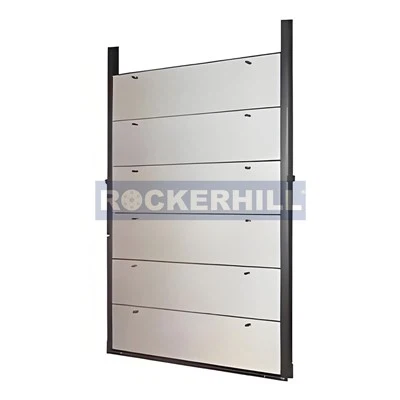
To address this challenge, it is essential to design the clarifier with a high solids handling capacity. The ROCKERHILL Lamella Clarifier is specifically designed to handle high solids loading. Its unique lamella plate design provides a large settling area, allowing for efficient separation of solids from the liquid phase. Additionally, the clarifier is equipped with a robust sludge removal system, which helps to prevent the accumulation of solids and ensures continuous operation.
2. Variable Feed Characteristics
Another challenge in the oil and gas industry is the variable feed characteristics. The composition and properties of the process streams can vary significantly depending on the source of the oil and gas, the production method, and the operating conditions. For example, the feed may contain different types and concentrations of solids, as well as varying amounts of oil, grease, and other contaminants. These variations can affect the performance of the clarifier and make it difficult to achieve consistent treatment results.
To overcome this challenge, it is important to have a flexible clarifier design that can adapt to different feed conditions. The Clarifier Design offered by our company takes into account the variable feed characteristics. Our engineers use advanced modeling and simulation techniques to optimize the design of the clarifier for specific applications. This ensures that the clarifier can provide reliable and efficient treatment, even when the feed conditions change.
3. Corrosion and Erosion
The oil and gas industry operates in harsh environments, where corrosion and erosion are significant concerns. The process streams often contain corrosive substances, such as acids, salts, and hydrogen sulfide, which can cause damage to the clarifier components. Additionally, the high-velocity flow of the fluids can lead to erosion of the internal surfaces of the clarifier.
To prevent corrosion and erosion, it is necessary to use high-quality materials in the construction of the clarifier. Our clarifiers are made from corrosion-resistant materials, such as stainless steel and fiberglass-reinforced plastic (FRP). These materials provide excellent resistance to corrosion and erosion, ensuring a long service life for the clarifier. Moreover, we apply special coatings and linings to further enhance the protection of the clarifier components.
4. Environmental Regulations
The oil and gas industry is subject to strict environmental regulations, which require the proper treatment and disposal of process fluids. The clarifier must be able to meet these regulations by effectively removing solids and contaminants from the process streams. Failure to comply with environmental regulations can result in significant fines and legal consequences.
To ensure compliance with environmental regulations, our clarifiers are designed to meet or exceed the industry standards. The Clarifier In Water Treatment Plant is an example of our commitment to environmental protection. It is equipped with advanced monitoring and control systems, which allow for real-time monitoring of the treatment process and ensure that the effluent quality meets the regulatory requirements.
5. Maintenance and Operational Costs
Maintaining and operating a clarifier in the oil and gas industry can be costly. The high solids loading, variable feed characteristics, and harsh operating conditions can lead to increased wear and tear on the clarifier components, requiring frequent maintenance and replacement. Additionally, the energy consumption of the clarifier can be significant, contributing to the overall operational costs.
To reduce maintenance and operational costs, our clarifiers are designed for easy maintenance and energy efficiency. The modular design of our clarifiers allows for quick and easy access to the internal components, making maintenance tasks more convenient. Moreover, we use energy-efficient motors and pumps, which help to reduce the energy consumption of the clarifier.
Conclusion
Using a clarifier in the oil and gas industry presents several challenges, including high solids loading, variable feed characteristics, corrosion and erosion, environmental regulations, and maintenance and operational costs. However, with the right design and technology, these challenges can be effectively addressed. As a clarifier supplier, we are committed to providing our customers with high-quality clarifiers that can meet the demanding requirements of the oil and gas industry.
If you are facing challenges with your current clarifier or are in the process of selecting a new clarifier for your oil and gas application, we invite you to contact us for a consultation. Our team of experts will work with you to understand your specific needs and recommend the most suitable clarifier solution for your project. Let's work together to overcome the challenges and achieve efficient and sustainable fluid treatment in the oil and gas industry.
References
- "Handbook of Water and Wastewater Treatment Plant Operations", by William W. Weiss.
- "Oil and Gas Production Waste Management", by John P. Veil.
- Industry standards and guidelines related to clarifier design and operation in the oil and gas industry.