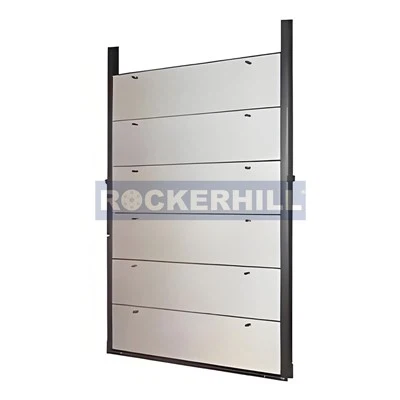
Hey there! As a hydro gate supplier, I've seen my fair share of corroded hydro gates over the years. Corrosion is a real pain in the neck for these gates, as it can weaken their structure, reduce their efficiency, and even lead to failure if left untreated. In this blog post, I'm gonna share some of the repair methods for corroded hydro gates that I've found to be effective.


First off, let's talk about what causes corrosion in hydro gates. Hydro gates are constantly exposed to water, which contains oxygen, salts, and other chemicals that can react with the metal of the gate and cause it to corrode. The type of corrosion can vary depending on the environment, but some common types include uniform corrosion, pitting corrosion, and crevice corrosion.
Surface Cleaning and Preparation
The first step in repairing a corroded hydro gate is to clean the surface of the gate. This involves removing any loose rust, dirt, and debris from the surface. You can use a wire brush, sandblaster, or high - pressure water jet for this purpose. A wire brush is a simple and inexpensive option, but it may not be as effective for removing heavy rust. A sandblaster can quickly remove rust and scale, but it requires special equipment and safety precautions. High - pressure water jetting is a more environmentally friendly option and can be used to clean the surface without damaging the metal.
After cleaning, the surface needs to be properly prepared for further treatment. This may involve sanding or grinding the surface to create a smooth and even finish. This step is crucial as it helps the subsequent coatings or repairs to adhere better to the metal surface.
Coating Application
Once the surface is clean and prepared, applying a protective coating is a common repair method. There are different types of coatings available, such as epoxy coatings, polyurethane coatings, and zinc - rich primers.
Epoxy coatings are very popular because they offer excellent adhesion, chemical resistance, and durability. They can form a tough barrier between the metal and the surrounding environment, preventing further corrosion. Polyurethane coatings, on the other hand, provide good abrasion resistance and flexibility, which is useful for hydro gates that may experience some movement or vibration. Zinc - rich primers work by providing sacrificial protection to the metal. The zinc in the primer corrodes preferentially to the base metal, thus protecting it from corrosion.
When applying the coating, it's important to follow the manufacturer's instructions carefully. This includes the proper mixing ratio, application thickness, and drying time. You can find more about high - quality hydro gates like Heavy Duty Sluice Gates that are designed to be more resistant to corrosion and can benefit from these coating repair methods.
Welding and Metal Replacement
In cases where the corrosion has caused significant damage to the metal structure of the hydro gate, welding and metal replacement may be necessary. If there are holes or cracks in the gate due to corrosion, welding can be used to repair them. However, welding on corroded metal requires some skill and proper preparation. The area around the weld needs to be cleaned thoroughly to remove any rust or contaminants that could affect the quality of the weld.
Sometimes, large sections of the gate may be so severely corroded that they need to be replaced. This involves cutting out the damaged section and welding in a new piece of metal. It's important to use the same type of metal as the original gate to ensure compatibility and structural integrity. For more information on the structure and components of hydro gates, check out Hydro Gate Slide Gates.
Cathodic Protection
Cathodic protection is another effective method for preventing and repairing corrosion in hydro gates. There are two main types of cathodic protection: sacrificial anode protection and impressed current cathodic protection.
In sacrificial anode protection, a more active metal (such as zinc or magnesium) is connected to the hydro gate. The sacrificial anode corrodes instead of the gate, thus protecting it. This method is relatively simple and inexpensive, but the anodes need to be replaced periodically as they corrode.
Impressed current cathodic protection involves applying an external electrical current to the gate to make it the cathode of an electrochemical cell. This requires a power source and an anode that is buried in the ground or placed in the water near the gate. This method provides more precise control over the protection level and can be used for larger structures or in more aggressive environments.
Regular Maintenance and Inspection
Even after the repairs are done, regular maintenance and inspection are essential to prevent future corrosion. This includes checking the condition of the coatings, the integrity of the welds, and the performance of the cathodic protection system. Any signs of new corrosion or damage should be addressed promptly to avoid more serious problems.
You can also implement a maintenance schedule that includes cleaning the gate periodically to remove any debris or sediment that could trap moisture and accelerate corrosion. Lubricating the moving parts of the gate can also help prevent corrosion and ensure smooth operation.
Conclusion
Corroded hydro gates can be a big headache, but with the right repair methods, they can be restored to their proper working condition. Whether it's surface cleaning and coating application, welding and metal replacement, or cathodic protection, each method has its own advantages and is suitable for different levels of corrosion.
As a hydro gate supplier, I'm always here to help you with any questions you may have about hydro gate repair and maintenance. If you're in the market for new hydro gates or need advice on how to repair your existing ones, don't hesitate to reach out. We can work together to find the best solutions for your specific needs.
References
- Fontana, M. G. (1986). Corrosion Engineering. McGraw - Hill.
- Uhlig, H. H., & Revie, R. W. (1985). Corrosion and Corrosion Control. Wiley - Interscience.