In the realm of wastewater treatment and various industrial processes, screens play a pivotal role in separating solids from liquids. Two commonly used types of screens are fine screens and coarse screens. As a supplier of fine screens, I'm well - versed in the distinctions between these two and eager to share this knowledge.
Definition and Basic Function
Coarse screens are the first line of defense in a wastewater treatment plant or an industrial process. Their primary function is to remove large, solid objects such as rags, sticks, plastics, and other debris that can cause damage to downstream equipment. These screens typically have openings ranging from 6 mm to 150 mm. The large openings allow water to pass through easily while capturing the big items. For example, in a municipal wastewater treatment plant, coarse screens are installed at the inlet to prevent large objects from entering the system and clogging pumps or other machinery.
On the other hand, fine screens are designed to remove smaller particles that pass through the coarse screens. They usually have openings between 0.2 mm and 6 mm. Fine screens are crucial for further refining the wastewater or process fluid by removing fine debris, grit, and other small contaminants. This helps in protecting more sensitive downstream equipment and improving the overall quality of the treated water.
Physical Design and Structure
Coarse screens often have a simple and robust design. They can be either manually or mechanically cleaned. Manual coarse screens are typically made of bars or rods spaced at a specific distance to create the desired opening size. These bars are usually made of stainless steel or other corrosion - resistant materials to withstand the harsh environment of wastewater. Mechanical coarse screens use a chain - driven mechanism or a rotating drum to continuously remove the captured debris.
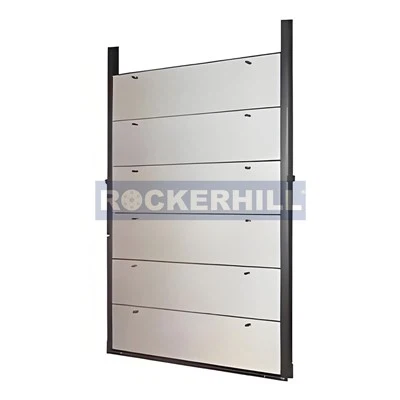
Fine screens, in contrast, have a more intricate design. There are several types of fine screens, including wedge wire screens, perforated plate screens, and drum screens. Wedge wire screens are made of V - shaped wires welded to support rods, creating a precise and uniform opening. Perforated plate screens are sheets of metal with holes punched in them, and the size and pattern of the holes determine the screening efficiency. Drum screens consist of a rotating drum with a fine mesh on the outside. As the drum rotates, water passes through the mesh, and the solids are retained on the surface and removed by a scraper.
Screening Efficiency
When it comes to screening efficiency, there is a significant difference between fine screens and coarse screens. Coarse screens are highly effective at removing large objects quickly. However, their efficiency in removing small particles is very low. Since the openings are large, most of the small debris will pass through the screen.
Fine screens, on the other hand, are designed to capture small particles with high precision. They can remove a wide range of contaminants, including sand, silt, and small organic matter. This high - level of efficiency is essential for processes where the quality of the treated water is critical, such as in water reuse applications or in industries where the presence of small particles can affect the production process.
Flow Rate and Head Loss
Coarse screens generally have a lower head loss compared to fine screens. Head loss is the reduction in the pressure or energy of the fluid as it passes through the screen. Since the openings in coarse screens are large, water can flow through them relatively easily, resulting in minimal resistance and low head loss. This is important because a lower head loss means less energy is required to pump the water through the system.


Fine screens, due to their smaller openings, create more resistance to the flow of water. As a result, they have a higher head loss. To maintain an acceptable flow rate, larger pumps or additional energy may be required. However, modern fine screen designs are constantly being improved to reduce head loss while maintaining high screening efficiency.
Maintenance Requirements
Coarse screens require relatively less maintenance compared to fine screens. The large debris captured by coarse screens is easy to remove, and the simple design of the screens means there are fewer components that can malfunction. Regular inspection and cleaning of the screen bars or the mechanical components are usually sufficient to keep the coarse screens in good working condition.
Fine screens, however, demand more attention. The small openings are prone to clogging, especially if the wastewater contains a high concentration of fine particles. Frequent cleaning is necessary to prevent blockages and ensure continuous operation. Additionally, the more complex design of fine screens means that there are more components that can wear out or break down, such as the wires in wedge wire screens or the motors in drum screens.
Applications
Coarse screens are widely used in municipal wastewater treatment plants, industrial wastewater treatment facilities, and stormwater management systems. In municipal plants, they are installed at the inlet to protect downstream equipment from large debris. In industrial applications, they are used to remove large solids before the wastewater enters the treatment process.
Fine screens have a broader range of applications. In addition to wastewater treatment, they are used in food and beverage industries to remove small particles from liquids, in the pulp and paper industry to separate fibers from the process water, and in the pharmaceutical industry to ensure the purity of the final product. For more information on the applications and design of fine screens, you can visit Wastewater Fine Screens and Fine Screen Design.
Cost Considerations
The initial cost of coarse screens is generally lower than that of fine screens. Coarse screens have a simpler design and require less material, which makes them more affordable. However, the long - term cost of operating and maintaining a screening system should also be considered. As mentioned earlier, fine screens may require more energy due to higher head loss and more frequent maintenance. But in applications where high - quality screening is essential, the benefits of using fine screens often outweigh the additional costs.
Conclusion
In summary, fine screens and coarse screens serve different but complementary roles in wastewater treatment and industrial processes. Coarse screens are effective at removing large debris and protecting downstream equipment from major damage, while fine screens are crucial for removing small particles and improving the overall quality of the treated fluid. As a supplier of fine screens, I understand the importance of choosing the right screening solution for each specific application.
If you are in the market for fine screens or need more information about how they can improve your wastewater treatment or industrial process, I encourage you to reach out for a procurement discussion. Our team of experts is ready to assist you in selecting the most suitable fine screen product for your needs.
References
- Metcalf & Eddy. (2003). Wastewater Engineering: Treatment and Reuse. McGraw - Hill.
- WEF. (2019). Manual of Practice FD - 8: Design of Municipal Wastewater Treatment Plants. Water Environment Federation.