In the complex and critical realm of fire protection systems, every component plays a pivotal role in ensuring the safety and effectiveness of the overall setup. Among these components, the air valve stands out as an often overlooked yet indispensable element. As a leading air valve supplier, I am deeply familiar with the significance of air valves in fire protection systems and am eager to share insights into their roles.
Understanding the Basics of Fire Protection Systems
Before delving into the role of air valves, it is essential to have a basic understanding of fire protection systems. These systems are designed to detect, control, and extinguish fires, safeguarding lives and property. They typically consist of a network of pipes, sprinklers, pumps, and control valves. Water is the most commonly used extinguishing agent, flowing through the pipes to reach the sprinklers when a fire is detected.
The Role of Air in Fire Protection Systems
Air is an inherent part of any piping system, including those in fire protection. When a fire protection system is initially filled with water, air pockets can form within the pipes. These air pockets can cause a variety of problems. Firstly, they can reduce the efficiency of the system. Air is compressible, unlike water, and when present in the pipes, it can absorb the energy that should be used to propel water to the sprinklers. This can result in a lower flow rate and pressure at the sprinklers, compromising their ability to suppress a fire effectively.
Secondly, air pockets can lead to water hammer. Water hammer is a phenomenon that occurs when the flow of water in a pipe is suddenly stopped or changed. The impact of the water against the pipe walls can cause significant damage, including pipe bursts and leaks. This can not only disrupt the fire protection system but also lead to water damage in the surrounding area.
How Air Valves Mitigate Air-Related Issues
This is where air valves come into play. The primary role of air valves in a fire protection system is to manage the air within the pipes. There are different types of air valves, each with its own specific functions, but they all work towards the common goal of maintaining the optimal performance of the system.


Air Release Valves
Air Relief Valve are designed to automatically release air from the system as water fills the pipes. These valves are typically installed at high points in the piping network, where air pockets are most likely to accumulate. As the water level rises, the air is forced towards the air release valve. Once the air reaches the valve, it is vented to the atmosphere, allowing the water to fill the pipe completely. This ensures that there are no air pockets to impede the flow of water or cause water hammer.
Air and Vacuum Valves
Air and vacuum valves, also known as combination air valves, serve a dual purpose. In addition to releasing air during the filling process, they also prevent the formation of a vacuum when the system is drained or when there is a sudden drop in pressure. A vacuum can cause the pipes to collapse or draw in contaminants, which can damage the system. The air and vacuum valve allows air to enter the system when a vacuum starts to form, equalizing the pressure and protecting the pipes.
Air Solenoid Valves
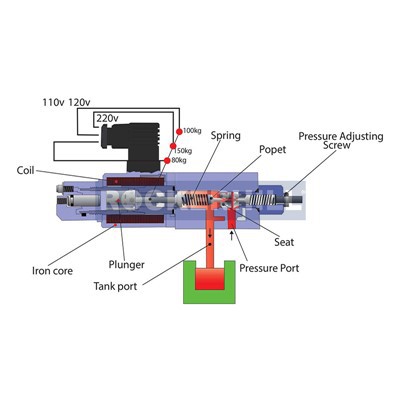
Air Solenoid Valve are electrically operated valves that can be used to control the flow of air in a fire protection system. They are often used in conjunction with other types of valves to provide more precise control over the system. For example, in a pre-action sprinkler system, an air solenoid valve can be used to control the release of air from a pressurized chamber, allowing the water to flow into the sprinklers when a fire is detected.
Importance of Proper Air Valve Design
The effectiveness of air valves in a fire protection system depends largely on their design. Air Valve Design must take into account various factors, such as the size and layout of the piping network, the flow rate and pressure of the water, and the specific requirements of the fire protection system. A well-designed air valve will be able to handle the expected volume of air and water, operate reliably under different conditions, and be easy to install and maintain.
Maintenance and Inspection of Air Valves
Regular maintenance and inspection of air valves are crucial to ensure their proper functioning. Over time, air valves can become clogged with debris or damaged due to wear and tear. This can prevent them from opening or closing properly, compromising their ability to manage the air in the system. Maintenance tasks may include cleaning the valve, checking the seals and gaskets for leaks, and testing the valve's operation.
Conclusion
In conclusion, air valves play a vital role in fire protection systems by managing the air within the pipes and ensuring the optimal performance of the system. They help to prevent air-related issues such as reduced flow rate, water hammer, and vacuum formation, which can all have serious consequences for the effectiveness of the fire protection system. As a trusted air valve supplier, we understand the importance of providing high-quality air valves that are designed to meet the specific needs of each fire protection system.
If you are in the process of designing, installing, or maintaining a fire protection system, we invite you to contact us for a consultation. Our team of experts can help you select the right air valves for your system, provide installation and maintenance support, and answer any questions you may have. Let us work together to ensure the safety and reliability of your fire protection system.
References
- NFPA 13: Standard for the Installation of Sprinkler Systems
- FM Global Data Sheets on Fire Protection Systems