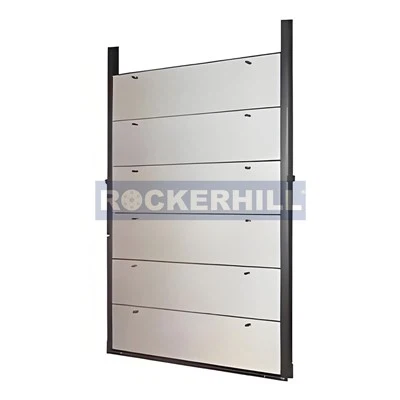
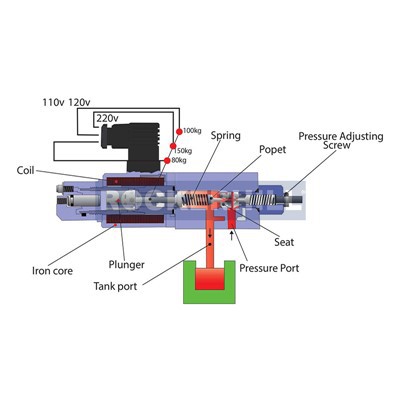
Automation has emerged as a transformative force in various industries, and the field of radial gate control is no exception. As a leading radial gate supplier, we have witnessed firsthand the profound impact that automation can have on the efficiency, safety, and performance of radial gates. In this blog post, we will explore the role of automation in radial gate control, highlighting its benefits, applications, and future prospects.
Understanding Radial Gates
Before delving into the role of automation, it is essential to understand what radial gates are and how they function. Radial gates, also known as Tainter Gate, are large, curved gates commonly used in dams, reservoirs, and water control structures. These gates are designed to regulate the flow of water by rotating around a horizontal axis, allowing for precise control of water levels and discharge rates.
Radial gates are typically operated manually or through hydraulic systems. Manual operation involves the use of handwheels or winches to open and close the gates, which can be time-consuming and labor-intensive. Hydraulic systems, on the other hand, use pressurized fluid to actuate the gates, providing more precise control and faster operation. However, both manual and hydraulic systems have their limitations, particularly in terms of efficiency, accuracy, and safety.
The Role of Automation in Radial Gate Control
Automation has the potential to overcome many of the limitations associated with manual and hydraulic gate control systems. By integrating advanced sensors, actuators, and control algorithms, automated radial gate systems can provide real-time monitoring, precise control, and remote operation capabilities. Here are some of the key roles that automation plays in radial gate control:
1. Real-time Monitoring
Automated radial gate systems are equipped with a variety of sensors that can monitor various parameters, such as water level, flow rate, gate position, and hydraulic pressure. These sensors provide real-time data that can be used to optimize gate operation, detect potential issues, and ensure the safety and efficiency of the water control system.
For example, water level sensors can continuously monitor the water level upstream and downstream of the gate, allowing the control system to adjust the gate position accordingly. Flow rate sensors can measure the volume of water passing through the gate, enabling precise control of water discharge. Gate position sensors can provide accurate feedback on the position of the gate, ensuring that it is opened and closed to the desired level.
2. Precise Control
Automation enables precise control of radial gates, allowing for accurate adjustment of gate position and opening/closing speed. By using advanced control algorithms, automated gate systems can respond quickly to changes in water conditions, ensuring that the gate is operated in the most efficient and effective manner possible.
For instance, the control system can use a PID (Proportional-Integral-Derivative) controller to adjust the gate position based on the difference between the desired and actual water level or flow rate. The PID controller continuously calculates the error between the setpoint and the actual value and adjusts the gate position accordingly, minimizing the error and ensuring stable operation.
3. Remote Operation
One of the significant advantages of automation is the ability to operate radial gates remotely. With the help of communication technologies such as SCADA (Supervisory Control and Data Acquisition) systems, operators can monitor and control the gates from a central control room or even from a mobile device.
Remote operation allows for quick response to changing water conditions, reduces the need for on-site personnel, and improves the safety and efficiency of the water control system. For example, in the event of a flood or emergency, operators can remotely open the gates to release excess water, preventing damage to the dam and downstream infrastructure.
4. Fault Detection and Alarm
Automated radial gate systems are designed to detect faults and abnormalities in the gate operation and issue alarms to alert operators. By continuously monitoring the sensors and control signals, the system can identify potential problems, such as sensor failures, actuator malfunctions, or abnormal water conditions, and take appropriate action to prevent further damage.
For example, if a sensor detects a sudden increase in hydraulic pressure or a significant deviation in gate position, the system can automatically trigger an alarm and send a notification to the operator. The operator can then investigate the issue and take corrective action, such as shutting down the gate or adjusting the control parameters.
5. Integration with Other Systems
Automated radial gate systems can be integrated with other water management systems, such as flood forecasting models, water quality monitoring systems, and power generation systems. This integration allows for coordinated operation of multiple water control structures, optimizing water resources management and improving the overall efficiency of the water infrastructure.
For instance, by integrating the radial gate system with a flood forecasting model, the control system can anticipate changes in water levels and adjust the gate position in advance to prevent flooding. Similarly, by integrating with a water quality monitoring system, the system can ensure that the water released from the dam meets the required quality standards.
Benefits of Automated Radial Gate Systems
The implementation of automated radial gate systems offers several benefits for water control authorities, dam operators, and other stakeholders. Here are some of the key benefits:
1. Improved Efficiency
Automation eliminates the need for manual operation, reducing the time and effort required to operate the gates. By providing real-time monitoring and precise control capabilities, automated systems can optimize gate operation, resulting in more efficient water management and reduced energy consumption.
For example, automated gates can be adjusted more quickly and accurately in response to changing water conditions, minimizing the time required to open and close the gates. This can lead to significant savings in water resources and energy costs, particularly in large-scale water control systems.
2. Enhanced Safety
Automation improves the safety of radial gate operation by reducing the risk of human error and providing real-time monitoring and alarm capabilities. By continuously monitoring the gate operation and water conditions, automated systems can detect potential issues and take appropriate action to prevent accidents and damage to the infrastructure.
For instance, in the event of a gate malfunction or abnormal water conditions, the system can automatically shut down the gate and issue an alarm to alert the operator. This can prevent flooding, dam failure, and other catastrophic events, ensuring the safety of the surrounding communities and infrastructure.
3. Increased Accuracy
Automated radial gate systems provide more accurate control of gate position and water discharge compared to manual and hydraulic systems. By using advanced sensors and control algorithms, the system can adjust the gate position to within a few millimeters, ensuring precise control of water levels and flow rates.
This increased accuracy is particularly important in applications where precise water management is required, such as in irrigation systems, power generation plants, and water supply networks. By maintaining consistent water levels and flow rates, automated gates can improve the efficiency and reliability of these systems.
4. Remote Operation and Monitoring
Automation allows for remote operation and monitoring of radial gates, providing greater flexibility and convenience for operators. With the ability to monitor and control the gates from a central control room or mobile device, operators can respond quickly to changing water conditions and emergencies, even when they are not on-site.
Remote operation also reduces the need for on-site personnel, particularly in remote or hazardous locations. This can improve the safety and efficiency of gate operation, as well as reduce labor costs.
5. Data-driven Decision Making
Automated radial gate systems generate a wealth of data that can be used to make informed decisions about water management. By analyzing the data collected from the sensors, operators can identify trends, patterns, and potential issues, and use this information to optimize gate operation, improve system performance, and plan for future infrastructure upgrades.
For example, data analysis can be used to determine the optimal gate opening and closing times based on historical water level and flow rate data. It can also be used to identify areas where the system is underperforming and to develop strategies for improvement.
Applications of Automated Radial Gate Systems
Automated radial gate systems are used in a wide range of applications, including dams, reservoirs, irrigation systems, power generation plants, and water supply networks. Here are some of the common applications of automated radial gate systems:
1. Dams and Reservoirs
Automated radial gate systems are widely used in dams and reservoirs to regulate water levels, control water discharge, and prevent flooding. By providing real-time monitoring and precise control capabilities, automated gates can ensure the safety and efficiency of the dam and the surrounding infrastructure.
For example, in a large dam, automated gates can be used to release excess water during flood events, preventing the dam from overtopping. They can also be used to maintain a stable water level in the reservoir, ensuring a reliable water supply for downstream users.
2. Irrigation Systems
Automated radial gate systems are essential for efficient irrigation management. By providing precise control of water flow, automated gates can ensure that the right amount of water is delivered to the fields at the right time, improving crop yields and reducing water waste.
For instance, in an irrigation canal, automated gates can be used to control the distribution of water to different fields based on the crop water requirements. They can also be used to adjust the water flow rate in response to changes in weather conditions, such as rainfall and evaporation.
3. Power Generation Plants
Automated radial gate systems play a crucial role in power generation plants that use water turbines to generate electricity. By controlling the flow of water through the turbines, automated gates can optimize power generation efficiency and ensure the stability of the electrical grid.
For example, in a hydroelectric power plant, automated gates can be used to adjust the water flow rate based on the electricity demand. They can also be used to regulate the water level in the reservoir, ensuring a consistent supply of water to the turbines.


4. Water Supply Networks
Automated radial gate systems are used in water supply networks to control the flow of water from the source to the distribution system. By providing precise control of water pressure and flow rate, automated gates can ensure a reliable and efficient water supply to consumers.
For instance, in a water treatment plant, automated gates can be used to regulate the flow of water into the treatment process, ensuring that the water is treated to the required quality standards. They can also be used to control the distribution of treated water to different areas of the city, ensuring a consistent water supply to all consumers.
Future Prospects of Automated Radial Gate Systems
The future of automated radial gate systems looks promising, with continued advancements in technology and increasing demand for efficient and sustainable water management solutions. Here are some of the key trends and developments that are likely to shape the future of automated radial gate systems:
1. Integration with Internet of Things (IoT)
The integration of automated radial gate systems with IoT technology is expected to become more widespread in the future. By connecting the gates to the internet, operators can access real-time data from anywhere in the world, enabling remote monitoring, control, and maintenance.
For example, IoT-enabled gates can be equipped with wireless sensors and communication modules that can transmit data to a cloud-based platform. Operators can then use a mobile app or a web browser to monitor the gate operation, receive alerts, and make adjustments to the control parameters.
2. Artificial Intelligence (AI) and Machine Learning (ML)
The use of AI and ML algorithms is expected to enhance the performance and capabilities of automated radial gate systems. By analyzing large amounts of data collected from the sensors, AI and ML algorithms can identify patterns, predict future events, and optimize gate operation in real-time.
For example, AI algorithms can be used to predict the water level and flow rate based on historical data and weather forecasts. ML algorithms can be used to optimize the gate opening and closing times based on the predicted water conditions, improving the efficiency and effectiveness of the water control system.
3. Energy Harvesting
Automated radial gate systems are likely to incorporate energy harvesting technologies in the future to reduce their energy consumption and carbon footprint. By using renewable energy sources, such as solar and hydroelectric power, the gates can operate independently of the grid, reducing the reliance on fossil fuels and improving the sustainability of the water control system.
For example, solar panels can be installed on the gate structure to generate electricity, which can be used to power the sensors, actuators, and control system. Hydroelectric generators can also be integrated into the gate system to harvest energy from the flowing water, further reducing the energy consumption of the system.
4. Smart Water Management
Automated radial gate systems are expected to be part of a larger trend towards smart water management. By integrating with other smart water technologies, such as smart meters, leak detection systems, and water quality monitoring sensors, automated gates can contribute to a more efficient, sustainable, and resilient water infrastructure.
For example, in a smart city, automated radial gate systems can be integrated with the city's water management system to optimize water distribution, reduce water loss, and improve water quality. They can also be used to respond to emergency situations, such as floods and droughts, in a more coordinated and effective manner.
Conclusion
Automation has revolutionized the field of radial gate control, providing real-time monitoring, precise control, and remote operation capabilities. By integrating advanced sensors, actuators, and control algorithms, automated radial gate systems can improve the efficiency, accuracy, and safety of water control systems, while also reducing energy consumption and environmental impact.
As a leading radial gate supplier, we are committed to providing our customers with the latest automation technologies and solutions. Our Dam Radial Gate are designed to meet the highest standards of quality, reliability, and performance, and can be customized to meet the specific needs of each project.
If you are interested in learning more about our automated radial gate systems or would like to discuss your water control requirements, please contact us today. Our team of experts will be happy to assist you and provide you with a personalized solution that meets your needs and budget.
References
- ASCE. (2019). Hydraulic Structures. American Society of Civil Engineers.
- Chow, V. T., Maidment, D. R., & Mays, L. W. (1988). Applied Hydrology. McGraw-Hill.
- USBR. (2017). Design of Small Dams. United States Bureau of Reclamation.