Hey there! As a ball valve supplier, I've been getting a lot of questions lately about the sealing mechanism of ball valves. So, I thought I'd take a moment to break it down for you.
First off, let's talk about what a ball valve is. A ball valve is a type of quarter - turn valve that uses a spherical ball with a hole in the middle to control the flow of fluid through a pipe. When the valve is open, the hole in the ball aligns with the pipe, allowing fluid to pass through. When it's closed, the ball rotates a quarter - turn so that the solid part of the ball blocks the flow.
Now, onto the sealing mechanism. The sealing in a ball valve is crucial as it prevents leakage and ensures the proper functioning of the valve. There are two main aspects of the sealing mechanism: the ball - seat sealing and the stem sealing.
Ball - Seat Sealing
The ball - seat sealing is the primary sealing point in a ball valve. It occurs where the ball comes into contact with the valve seats. The seats are usually made of materials like PTFE (polytetrafluoroethylene), NBR (nitrile butadiene rubber), or metal, depending on the application.
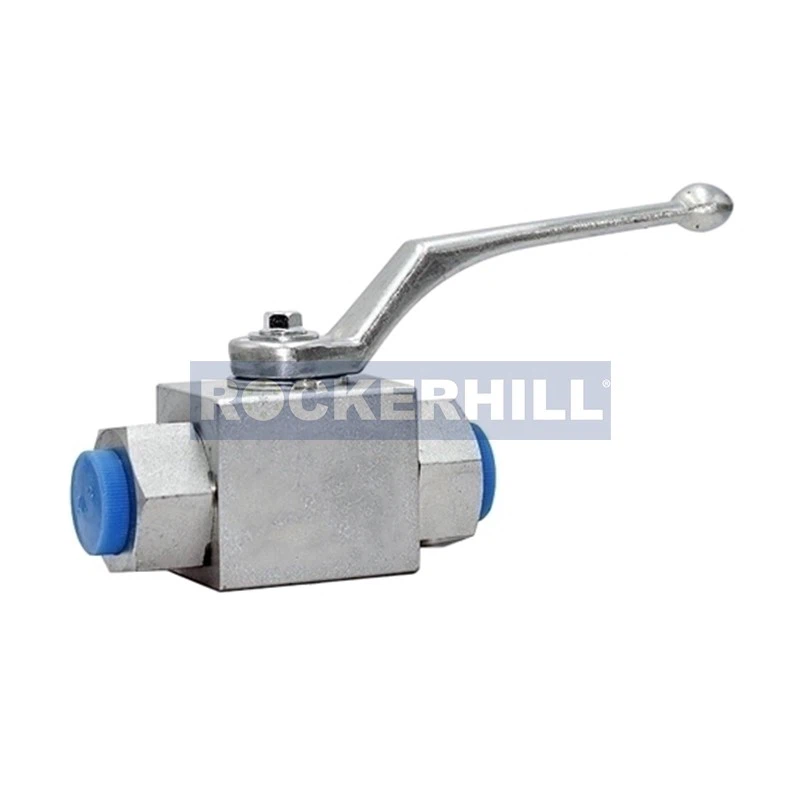

Soft Seating
Soft - seated ball valves use materials like PTFE. PTFE is an excellent choice because it has low friction, high chemical resistance, and can provide a tight seal even at low pressures. When the valve is closed, the ball presses against the soft seat, and the seat material deforms slightly to create a perfect seal around the ball. This kind of sealing is very effective for preventing leaks, which makes soft - seated ball valves ideal for applications where zero - leakage is required, such as in the pharmaceutical or food industries.
You can check out our Stainless Steel Ball Valve, many of which come with soft seats. These valves are not only corrosion - resistant due to the stainless - steel construction but also offer great sealing performance.
Metal Seating
Metal - seated ball valves, on the other hand, are used in more demanding applications. The seats are made of metal, and they can withstand high temperatures and pressures. The metal - to - metal contact provides a strong seal, but it may not be as leak - tight as a soft - seated valve at lower pressures. Metal - seated ball valves are commonly used in power plants, oil and gas refineries, and other industrial settings where extreme conditions are present.
Stem Sealing
The stem is what connects the outside operating mechanism (like a handwheel or an actuator) to the ball inside the valve. Stem sealing is important to prevent fluid from leaking out of the valve body around the stem.
There are a few ways to achieve stem sealing. One common method is through the use of packing materials. Packing is a flexible material, often made of graphite or PTFE, that is packed into a gland around the stem. As the packing is compressed, it forms a tight seal around the stem, preventing fluid leakage.
Another way is by using a bellows seal. A bellows is a flexible, accordion - like structure that is connected to the stem and the valve body. The bellows expands and contracts as the stem moves, providing a hermetic seal. Bellows - sealed valves are often used in applications where safety is a major concern, such as in handling toxic or flammable fluids.
Types of Ball Valves and Their Sealing
Let's take a look at some different types of ball valves and how their sealing mechanisms work.
Floating Ball Valves
In a floating ball valve, the ball is not held in a fixed position. When the valve is closed and pressure is applied, the fluid pressure forces the ball against the downstream seat, creating a seal. The upstream seat doesn't play a major role in sealing under normal conditions. Floating ball valves are simple in design and are commonly used in low to medium - pressure applications.
Trunnion - Mounted Ball Valves
Trunnion - mounted ball valves are designed for high - pressure applications. The ball is supported by trunnions (pins) at the top and bottom. These trunnions prevent the ball from moving freely like in a floating ball valve. When the valve is closed, the seats are independently energized to create a seal on both the upstream and downstream sides. This design ensures better sealing performance under high pressures.
Applications and Sealing Requirements
Different applications have different sealing requirements. For example, in the water treatment industry, a tight seal is needed to prevent water leakage, but the pressure and temperature conditions are usually not extreme. Soft - seated floating ball valves are often a good choice for this kind of application.
On the other hand, in the hydraulic industry, high pressures are common. Hydraulic Ball Valve with metal seats and trunnion - mounted designs are preferred to ensure reliable sealing under these high - pressure conditions.
In the pneumatic systems, where air is the working fluid, a good seal is still required to prevent air leakage, which can lead to inefficiencies. Pneumatic Ball Valve are designed to provide an effective seal for these applications, often with soft seats for a tight fit.
Maintenance of Sealing Mechanisms
To ensure the long - term performance of the sealing mechanism in ball valves, proper maintenance is essential. Regular inspection of the seats and the stem seals can help detect any signs of wear or damage early on. If the seats are worn, they can usually be replaced, and if the packing in the stem seal is damaged, it can be repacked.
It's also important to follow the manufacturer's guidelines for operating the valve. Over - tightening the valve can damage the seats, while under - tightening may result in leakage.
Conclusion
Understanding the sealing mechanism of ball valves is crucial for choosing the right valve for your application and ensuring its proper operation. Whether you need a valve for a simple water system or a high - pressure industrial process, we've got you covered.
If you're in the market for ball valves, we're here to help. We can provide you with detailed information about our products, including their sealing capabilities, and help you choose the best valve for your specific needs. Don't hesitate to reach out to us to start a procurement discussion. We're looking forward to working with you!
References
- "Valve Handbook" by J. P. Modi
- Industry standards and guidelines related to ball valves