As a step screen supplier, I often encounter questions from customers regarding the typical lifespan of a step screen. This blog aims to provide a comprehensive understanding of this topic, taking into account various factors that influence the longevity of these essential wastewater treatment components.
Understanding Step Screens
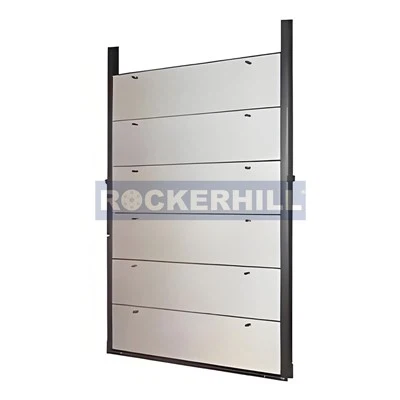
Step screens are mechanical screening devices used in wastewater treatment plants to remove large solids and debris from influent wastewater. They consist of a series of stepped bars or plates that allow water to pass through while capturing larger particles. These screens play a crucial role in protecting downstream equipment from damage and ensuring the efficient operation of the treatment process.
The design of step screens is optimized to provide effective screening while minimizing maintenance requirements. Step Screen Design typically involves a robust construction with high - quality materials to withstand the harsh conditions of wastewater treatment.
Factors Affecting the Lifespan of a Step Screen
Material Quality
The choice of materials is one of the most significant factors influencing the lifespan of a step screen. High - grade stainless steel is commonly used due to its corrosion resistance, strength, and durability. Stainless steel can withstand the corrosive nature of wastewater, which contains various chemicals and contaminants. In contrast, lower - quality materials may rust or degrade over time, leading to structural failure and reduced performance.
For example, a step screen made from a high - nickel stainless steel alloy can have a significantly longer lifespan compared to one made from a basic carbon steel. The high - nickel alloy provides better resistance to pitting and crevice corrosion, which are common issues in wastewater environments.
Operating Conditions
The operating conditions of a step screen also have a major impact on its lifespan. Factors such as the flow rate, temperature, and the type of wastewater being treated can all affect the wear and tear on the screen.


High - flow rates can cause increased abrasion on the screen bars as the water and debris pass through at a faster pace. This can lead to the erosion of the bar surfaces over time. Similarly, extreme temperatures, either hot or cold, can cause thermal expansion and contraction, which may weaken the structure of the screen.
The type of wastewater being treated is another crucial factor. Wastewater containing high levels of abrasive particles, such as sand or gravel, can cause more rapid wear on the screen compared to relatively clean wastewater. Industrial wastewater with high concentrations of chemicals or heavy metals may also be more corrosive, reducing the lifespan of the screen.
Maintenance and Cleaning
Regular maintenance and cleaning are essential for extending the lifespan of a step screen. Proper maintenance includes inspecting the screen for any signs of damage, such as bent bars or loose connections, and making necessary repairs promptly.
Cleaning the screen to remove accumulated debris is also crucial. If debris is allowed to build up on the screen, it can cause blockages, which may lead to increased stress on the screen structure. Additionally, trapped debris can create a more corrosive environment as it decomposes, further accelerating the degradation of the screen.
Some step screens are equipped with self - cleaning mechanisms, such as brushes or water jets, which can help to reduce the amount of manual cleaning required. However, even with self - cleaning systems, periodic manual inspections and maintenance are still necessary.
Installation and Alignment
Proper installation and alignment of the step screen are often overlooked but are vital for its long - term performance. A misaligned screen may experience uneven stress distribution, leading to premature wear on certain parts of the screen.
During installation, it is important to ensure that the screen is level and properly secured to the support structure. Any vibrations or movement during operation can cause additional stress on the screen, potentially reducing its lifespan. Additionally, the alignment of the screen with the influent and effluent channels is crucial to ensure efficient flow and prevent the accumulation of debris in unwanted areas.
Typical Lifespan Estimates
Based on industry experience and research, the typical lifespan of a well - maintained step screen can range from 15 to 25 years. However, this is a general estimate, and the actual lifespan can vary significantly depending on the factors mentioned above.
In ideal conditions, with high - quality materials, proper installation, regular maintenance, and relatively clean wastewater, a step screen can last up to 30 years or more. On the other hand, in harsh operating conditions with poor maintenance, the lifespan may be as short as 5 to 10 years.
For example, a step screen installed in a small municipal wastewater treatment plant with a relatively low flow rate and clean influent may have a longer lifespan compared to one installed in an industrial plant where the wastewater is highly contaminated and the flow rate is much higher.
Importance of a Long - Lasting Step Screen
Investing in a step screen with a long lifespan is beneficial for several reasons. Firstly, it reduces the need for frequent replacements, which can be costly in terms of both the purchase price of the new screen and the downtime associated with installation.
Secondly, a long - lasting step screen ensures the continuous and efficient operation of the wastewater treatment plant. A failed or underperforming screen can lead to problems such as blockages in downstream equipment, reduced treatment efficiency, and potential environmental violations.
Finally, a durable step screen contributes to the overall sustainability of the wastewater treatment process. By reducing the frequency of replacements, it minimizes the environmental impact associated with the manufacturing and disposal of new screens.
Extending the Lifespan of a Step Screen
To extend the lifespan of a step screen, it is essential to follow best practices in terms of material selection, installation, operation, and maintenance.
When selecting a step screen, choose one made from high - quality materials that are suitable for the specific wastewater conditions. Work with a reputable supplier who can provide guidance on the appropriate material and design for your application.
During installation, ensure that the screen is installed correctly by following the manufacturer's instructions. This includes proper alignment, securing the screen to the support structure, and connecting it to the influent and effluent channels.
In terms of operation, monitor the flow rate and temperature of the wastewater to ensure that they are within the recommended range for the screen. If necessary, make adjustments to the flow rate or install additional equipment to control the temperature.
Regular maintenance and cleaning are the keys to a long - lasting step screen. Develop a maintenance schedule that includes routine inspections, cleaning, and lubrication of moving parts. Train your staff on proper maintenance procedures to ensure that they are carried out effectively.
Conclusion
The typical lifespan of a step screen can vary widely depending on factors such as material quality, operating conditions, maintenance, and installation. A well - designed and maintained step screen made from high - quality materials can last 15 to 25 years or more, providing reliable and efficient screening in wastewater treatment plants.
As a step screen supplier, we are committed to providing our customers with high - quality products and comprehensive support to ensure the long - term performance of their step screens. If you are interested in learning more about our step screens or have any questions regarding their lifespan and maintenance, we encourage you to contact us for a detailed discussion. We look forward to working with you to meet your wastewater treatment needs.
References
- "Wastewater Treatment: Principles and Design" by Metcalf & Eddy
- "Corrosion in Wastewater Treatment Plants" - Journal of Environmental Engineering
- Manufacturer's technical manuals for step screens