Hey there! I'm someone who works for a fine screens supplier. Today, I wanna chat about a super important topic: What is the typical lifespan of fine screens in a harsh environment?
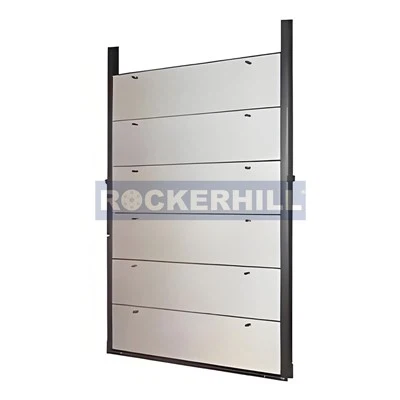
First off, let's understand what fine screens are. Fine screens are crucial pieces of equipment used in various industries, especially in wastewater treatment. They're designed to remove small particles and debris from liquids, ensuring that the downstream processes can work smoothly. You can check out more about Wastewater Fine Screens on our website.
Now, when we talk about a harsh environment, we're referring to places where the fine screens are exposed to extreme conditions. This could include high levels of corrosive substances, abrasive materials, or even extreme temperatures. These factors can significantly impact the lifespan of the fine screens.
In a normal, less - harsh environment, fine screens can last anywhere from 5 to 10 years. But in a harsh environment, things get a lot more complicated. The lifespan can be reduced to as little as 1 to 3 years, depending on how severe the conditions are.
Let's break down the different factors in a harsh environment that affect the lifespan of fine screens.
Corrosion
One of the biggest enemies of fine screens in a harsh environment is corrosion. If the screens are used in a place where they come into contact with corrosive chemicals or saltwater, the metal parts of the screens can start to rust and deteriorate. For example, in some industrial wastewater treatment plants, the water may contain high levels of acids or alkalis. These substances can eat away at the surface of the screen, weakening its structure over time.


To combat corrosion, we often use materials that are more resistant to it. Stainless steel is a popular choice as it has a high chromium content, which forms a protective layer on the surface and prevents rusting. However, even stainless steel has its limits in extremely corrosive environments. In such cases, we might need to apply special coatings to the screens to further enhance their corrosion resistance. You can learn more about the Fine Screen Design on our site, where we discuss how we incorporate anti - corrosion features.
Abrasion
Another factor is abrasion. When the fine screens are used to filter liquids that contain a lot of abrasive particles, like sand or gravel, the constant rubbing of these particles against the screen can cause wear and tear. The holes in the screen may start to widen, and the overall integrity of the screen can be compromised.
To deal with abrasion, we can use thicker materials for the screens or add reinforcing elements. For instance, some of our fine screens have a mesh structure that is designed to withstand the impact of abrasive particles. We also conduct regular maintenance and inspection to detect any signs of abrasion early and take appropriate measures.
Temperature
Extreme temperatures can also have a significant impact on the lifespan of fine screens. High temperatures can cause the metal to expand, which may lead to warping or cracking of the screen. On the other hand, low temperatures can make the metal more brittle, increasing the risk of breakage.
In high - temperature environments, we use heat - resistant materials and design the screens in a way that allows for thermal expansion. In cold environments, we might need to provide insulation or use materials that are more flexible at low temperatures.
Biological Growth
In some wastewater treatment applications, biological growth can be a problem. Bacteria and other microorganisms can grow on the surface of the fine screens, clogging the holes and reducing the efficiency of the screening process. This can put additional stress on the screens and shorten their lifespan.
To prevent biological growth, we can use chemicals or UV treatment. Some of our fine screens are also designed with smooth surfaces that are less likely to support the growth of microorganisms.
So, how can you make your fine screens last longer in a harsh environment?
Regular Maintenance
Regular maintenance is key. This includes cleaning the screens to remove any debris or buildup, inspecting for signs of damage, and replacing any worn - out parts. By catching problems early, you can prevent them from getting worse and extend the lifespan of the screens.
Choosing the Right Material
As I mentioned earlier, choosing the right material is crucial. Consider the specific conditions of your environment and select a material that can withstand those conditions. Our team of experts can help you make the right choice based on your needs.
Monitoring and Optimization
Continuously monitor the performance of the fine screens. If you notice a decrease in efficiency or any other issues, make adjustments to the operating conditions or the design of the screening system. This can help ensure that the screens are working at their best and lasting as long as possible.
In conclusion, the typical lifespan of fine screens in a harsh environment can vary greatly depending on the specific conditions. But with the right approach, including proper material selection, regular maintenance, and monitoring, you can maximize the lifespan of your fine screens.
If you're in the market for fine screens or need advice on how to make your existing screens last longer in a harsh environment, don't hesitate to reach out. We're here to help you find the best solutions for your needs. Whether you're dealing with wastewater treatment, industrial processes, or any other application, we've got the expertise and the products to meet your requirements. Contact us today to start a conversation about your fine screen needs!
References
- Industry reports on wastewater treatment equipment
- Technical studies on the effects of corrosion, abrasion, and temperature on metal structures
- In - house research and development data on fine screen performance in harsh environments