Engineering for the World's Harshest Seawater:
Rockerhill's Intake Systems for a 5,000 m³/h SWRO Plant in the Persian Gulf
By Rockerhill Global
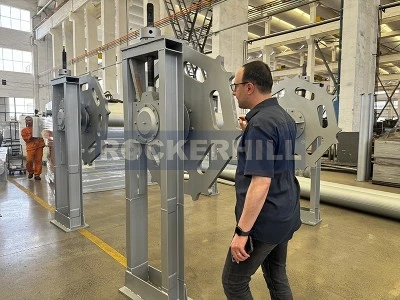
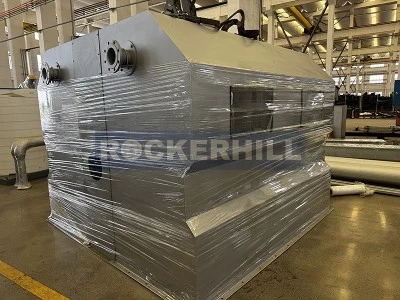
Seawater reverse osmosis (SWRO) plants depend on robust intake equipment long before water ever reaches a membrane. For a 5,000 m³/h SWRO facility on the Persian Gulf, Rockerhill designed and manufactured the band screens, bar screens, and stoplogs forming the plant's water intake protection system - equipment engineered to survive one of the most demanding marine environments on earth.
The Persian Gulf Challenge
The Persian Gulf presents seawater salinity levels among the highest of any major body of water globally, frequently exceeding 45,000 ppm TDS, compared to roughly 35,000 ppm in the open ocean. This elevated salinity results from the Gulf's shallow depth, high evaporation rates, limited freshwater inflow, and restricted exchange with the Indian Ocean through some narrow straits. Combined with high seawater temperatures, elevated biological fouling potential, and periodic algal blooms, these conditions place extraordinary stress on intake structures. Equipment must resist aggressive chloride-induced corrosion while maintaining mechanical reliability under continuous, high-volume flow - a materials and design challenge few other regions demand at this intensity.
Why Super Duplex 2507
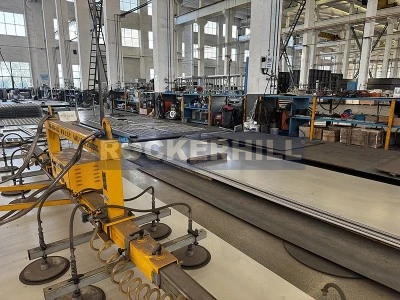
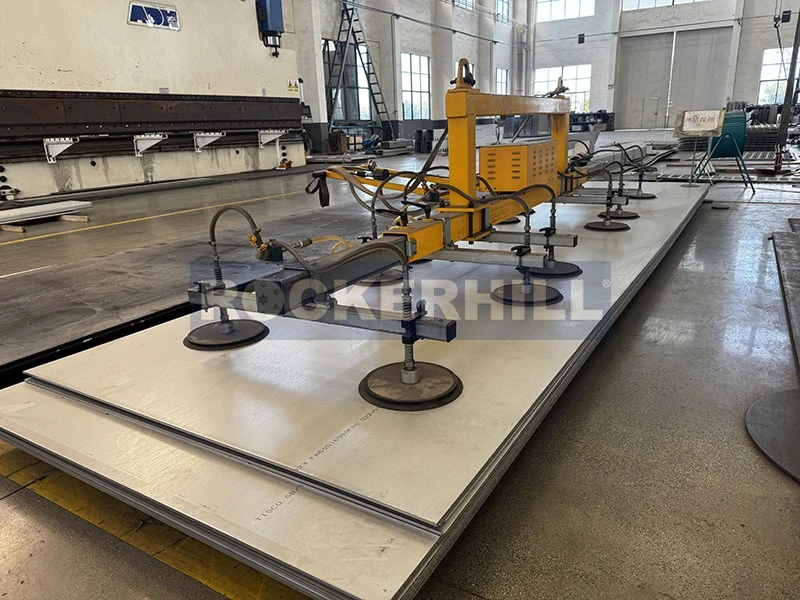
Given these conditions, Rockerhill selected Super Duplex Stainless Steel 2507 (UNS S32750) as the primary material of construction for the band screens, bar screens, and stoplogs. Super Duplex 2507 offers a pitting resistance equivalent (PRE) value above 40, among the highest of commercially available stainless alloys, making it highly resistant to chloride-induced pitting and crevice corrosion - the dominant failure mode in high-salinity, high-chloride seawater. Its duplex austenitic-ferritic microstructure also delivers roughly double the yield strength of standard austenitic stainless steels (such as 316L), allowing for optimized structural sections without compromising long-term durability. For intake equipment expected to operate continuously for decades in Gulf seawater, this combination of corrosion resistance and mechanical strength is essential to minimizing lifecycle maintenance and unplanned downtime.
The Regional SWRO Landscape
Middle East hosts some of the world's largest SWRO capacity. Saudi Arabia operates an extensive portfolio through the Saline Water Conversion Company (SWCC) and Saudi Water Partnership Company, including large facilities at Ras Al Khair, Jubail, Shuaiba, Yanbu, and the newly commissioned Rabigh 4 plant on the Red Sea. The UAE has similarly scaled its SWRO capacity through DEWA's Jebel Ali and Hassyan plants and EtihadWE's Fujairah and Mirfa facilities. Collectively, these projects reflect the region's strategic shift from energy-intensive thermal desalination toward membrane-based SWRO technology.and all of such project requires water intake systems.
Customized to Local Petrochemical Standards
Beyond material selection, Rockerhill tailored the equipment's mechanical design, electrification, automation, and manufacturing processes to align with the client's local petrochemical project standards. This included coordinated documentation packages, hazardous-area electrical classifications suited to the site's industrial context, PLC-based automation for screen operation and cleaning cycles, and manufacturing quality control protocols consistent with regional EPC expectations. This alignment ensures seamless integration into the broader plant infrastructure and compliance with the rigorous inspection and documentation standards typical of Gulf-region industrial projects.
Rockerhill's band screens, bar screens and stoplogs package has been highly recognized by Client.
As desalination capacity continues expanding across the Gulf, intake equipment engineered specifically for this environment's extreme salinity and corrosivity remains a foundational element of long-term plant reliability.