A check valve, also known as a non - return valve, is a crucial component in many fluid systems. It allows fluid to flow in one direction only, preventing backflow and ensuring the proper functioning of the system. Over time, check valves can accumulate dirt, debris, and other contaminants, which can affect their performance. Regular cleaning of check valves is essential to maintain their efficiency and extend their lifespan. As a check valve supplier, I am here to share with you a comprehensive guide on how to clean a check valve.
Step 1: Preparation
Before you start cleaning the check valve, it is important to gather all the necessary tools and materials. You will need a wrench set to remove the valve from the system, a cleaning solution (such as a mild detergent or a specialized valve cleaner), a soft - bristle brush, a clean cloth, and safety equipment like gloves and goggles.
Shut off the fluid supply to the system. This is a critical safety step to prevent any accidental fluid leakage or pressure build - up during the cleaning process. If the system is pressurized, you may need to relieve the pressure according to the system's safety procedures.
Step 2: Remove the Check Valve
Use the appropriate wrench to carefully loosen and remove the nuts or bolts that secure the check valve to the pipeline. Be gentle to avoid damaging the valve or the pipeline connections. Once the fasteners are removed, carefully pull the valve out of the pipeline. You may need to use a little force, especially if the valve has been in place for a long time.
Step 3: Disassemble the Check Valve
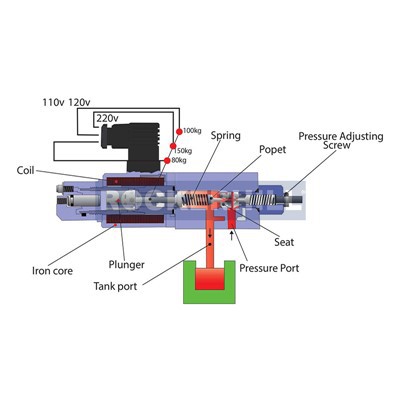
Most check valves can be disassembled into several parts, including the body, the disc, the spring (if applicable), and the seat. Refer to the valve's manual or documentation for the correct disassembly procedure. Some valves may have a simple design that can be easily taken apart by hand, while others may require the use of a small tool to remove retaining clips or pins.
Step 4: Inspect the Parts
Once the valve is disassembled, carefully inspect each part for signs of damage, wear, or corrosion. Look for cracks, chips, or excessive wear on the disc, seat, and spring. If any parts are damaged beyond repair, they should be replaced. Damaged parts can compromise the valve's performance and lead to leakage or malfunction.


Step 5: Clean the Parts
Prepare the cleaning solution according to the manufacturer's instructions. Immerse the disassembled parts in the cleaning solution and let them soak for a sufficient amount of time to loosen the dirt and debris. For stubborn dirt, you can use a soft - bristle brush to gently scrub the parts. Pay special attention to the seat and the disc, as these are the critical sealing surfaces.
Avoid using abrasive materials or harsh chemicals that can damage the valve parts. After scrubbing, rinse the parts thoroughly with clean water to remove the cleaning solution and any remaining debris.
Step 6: Dry the Parts
Use a clean cloth to dry the parts completely. Make sure there is no moisture left on the parts, as moisture can cause corrosion over time. You can also let the parts air - dry for a few hours to ensure they are completely dry.
Step 7: Reassemble the Check Valve
Once the parts are dry, carefully reassemble the check valve. Follow the reverse order of disassembly, making sure each part is properly seated and aligned. If the valve has a spring, ensure it is installed correctly to provide the proper tension for the disc.
Step 8: Install the Check Valve
Carefully insert the reassembled check valve back into the pipeline. Align the valve with the pipeline connections and use the wrench to tighten the nuts or bolts securely. Make sure the valve is installed in the correct orientation, as check valves are designed to allow flow in only one direction.
Step 9: Test the Check Valve
After installing the valve, turn on the fluid supply and check for any leaks. Observe the valve's operation to ensure it is functioning properly. You can also use a pressure gauge or other monitoring equipment to verify the valve's performance.
Different Types of Check Valves and Cleaning Considerations
There are several types of check valves, each with its own unique design and cleaning requirements.
Double Check Valve
A Double Check Valve consists of two independent check valves in series. This type of valve provides an extra level of protection against backflow. When cleaning a double check valve, pay special attention to the sealing surfaces of both valves. The double - valve design may require more careful disassembly and reassembly to ensure proper alignment and sealing.
Hydraulic Check Valve
A Hydraulic Check Valve is used in hydraulic systems to control the flow of hydraulic fluid. These valves often operate under high pressure, so it is important to use a cleaning solution that is compatible with hydraulic fluids. Additionally, the internal components of hydraulic check valves may be more sensitive to damage, so extra care should be taken during disassembly, cleaning, and reassembly.
Air Control Valve
An Air Control Valve is used to regulate the flow of air in pneumatic systems. These valves are typically smaller and more delicate than fluid - based check valves. When cleaning an air control valve, use a mild cleaning solution and a very soft brush to avoid damaging the valve's internal components.
Importance of Regular Cleaning
Regular cleaning of check valves is not only important for maintaining their performance but also for ensuring the safety and reliability of the entire fluid system. A dirty or malfunctioning check valve can cause backflow, which can lead to contamination of the fluid, damage to other components in the system, and even system failure. By following a regular cleaning schedule, you can prevent these issues and extend the lifespan of your check valves.
Conclusion
Cleaning a check valve is a relatively straightforward process that can significantly improve its performance and longevity. As a check valve supplier, I understand the importance of proper maintenance and cleaning. If you have any questions about check valves or need assistance with valve selection, cleaning, or replacement, please feel free to contact us. We are here to provide you with high - quality check valves and professional advice to meet your specific needs. Whether you are dealing with a simple water system or a complex industrial application, we can offer the right solutions for your check valve requirements.
References
- "Valve Handbook" by Valve Manufacturers Association
- Technical documentation from various check valve manufacturers.