


Hey there! As a gate valve supplier, I've seen my fair share of gate valves that just won't open. It can be a real headache, especially when you're in the middle of an important project. But don't worry, I'm here to walk you through some common issues and solutions to get that stubborn gate valve up and running again.
Check the Basics First
Before you start tearing the valve apart, it's always a good idea to check the simple things. First off, make sure the valve isn't locked. Sometimes, valves are equipped with locking mechanisms to prevent unauthorized operation. If it's locked, unlock it and give it another try.
Next, check the power source if it's an Electric Gate Valve. Ensure that the electrical connections are secure and that there's power going to the valve. A loose wire or a tripped circuit breaker could be the culprit. You can use a multimeter to test the voltage at the valve terminals. If there's no power, check the circuit breaker panel and reset any tripped breakers.
For Hydraulic Gate Valve, check the hydraulic fluid level and pressure. Low fluid levels or insufficient pressure can prevent the valve from opening. Look for any signs of leaks in the hydraulic lines. If you find a leak, you'll need to repair or replace the damaged part. Also, check the hydraulic pump to make sure it's functioning properly.
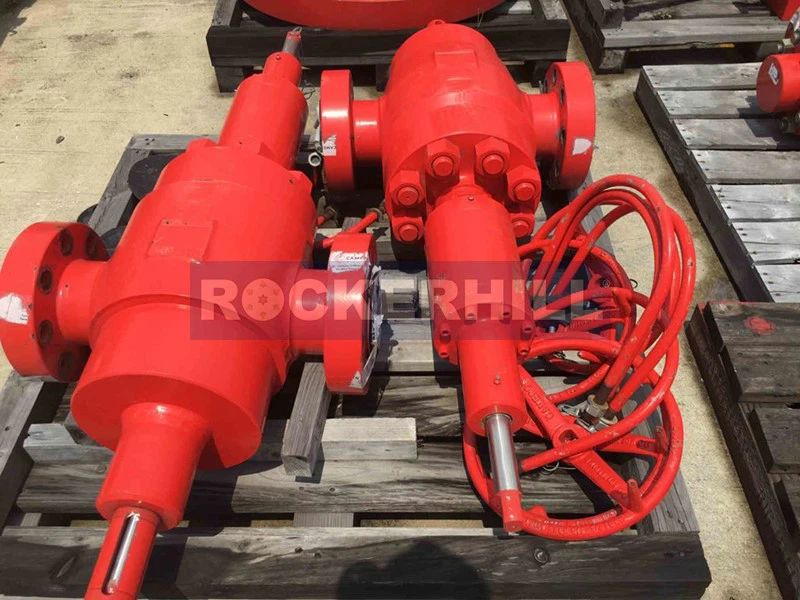

Inspect for Physical Obstructions
Sometimes, the problem is as simple as a physical obstruction preventing the valve from opening. Check the valve body and the gate for any debris, dirt, or foreign objects. This is especially common in industrial settings where the valve may be exposed to a lot of dust and particles.
You can try to remove the obstruction manually if it's accessible. Use a brush or a small tool to clean out any debris from the valve seat and the gate. If the obstruction is stuck inside the valve, you may need to disassemble the valve to remove it. However, this should be done carefully to avoid damaging the valve components.
In the case of a Knife Gate Valve, the blade can get jammed by solid materials. If you suspect this is the case, try to use a gentle tapping motion on the valve body to loosen the blade. Be careful not to use too much force as it could damage the valve.
Examine the Valve Stem and Actuator
The valve stem and actuator play a crucial role in the operation of the gate valve. Check the valve stem for any signs of damage, such as bending or corrosion. A damaged stem can prevent the gate from moving smoothly. If you notice any damage, you may need to replace the stem.
Inspect the actuator as well. For manual valves, check the handwheel or lever for proper operation. Make sure it's not loose or damaged. If the handwheel is difficult to turn, it could be due to a problem with the stem packing or the internal components of the valve. You can try lubricating the stem packing to see if it improves the operation.
For powered actuators, check the motor, gears, and other mechanical components. Look for any signs of wear or damage. A worn-out gear or a faulty motor can cause the actuator to malfunction. If you're not familiar with actuator repair, it's best to consult a professional.
Check the Sealing and Packing
The sealing and packing of the gate valve are important for preventing leaks and ensuring proper operation. Over time, the packing can become dry, worn, or damaged, which can cause the valve to stick. Check the packing gland for tightness. If it's too loose, it can allow fluid to leak out. If it's too tight, it can put excessive pressure on the stem and make it difficult to open the valve.
You can try adjusting the packing gland to the proper tightness. If the packing is severely damaged, you'll need to replace it. When replacing the packing, make sure to use the correct type and size of packing material for your valve.
Consider the System Pressure and Temperature
The system pressure and temperature can also affect the operation of the gate valve. High pressure can make it more difficult to open the valve, especially if the valve is not designed to handle such high pressures. Check the valve's pressure rating and make sure it's suitable for your system.
Similarly, extreme temperatures can cause the valve components to expand or contract, which can lead to binding or jamming. If the valve is exposed to high temperatures, make sure it's made of materials that can withstand the heat. If the temperature is too low, the fluid inside the valve may thicken, making it harder to open the valve. In such cases, you may need to install a heating or cooling system to maintain the proper temperature.
When All Else Fails
If you've tried all the above steps and the valve still won't open, it may be time to call in the experts. As a gate valve supplier, we have a team of experienced technicians who can diagnose and repair even the most complex valve problems. We can also provide you with replacement parts if needed.
If you're in the market for a new gate valve or need to upgrade your existing one, we have a wide range of high-quality Hydraulic Gate Valve, Knife Gate Valve, and Electric Gate Valve to choose from. Our valves are designed to meet the highest industry standards and are built to last.
Whether you're facing a valve that won't open or looking to purchase a new valve, don't hesitate to reach out to us. We're here to help you find the best solution for your needs.
References
- Valves Handbook: A Guide to Valve Selection, Installation, and Maintenance
- Industrial Valve Troubleshooting Manual




