When it comes to gate valves, a common question that arises is, "What is the difference between a domestic gate valve and an industrial gate valve?" As a gate valve supplier, I've encountered this query numerous times. In this blog, I'll delve into the distinctions between these two types of gate valves to help you make an informed decision when choosing the right one for your needs.
Design and Structure
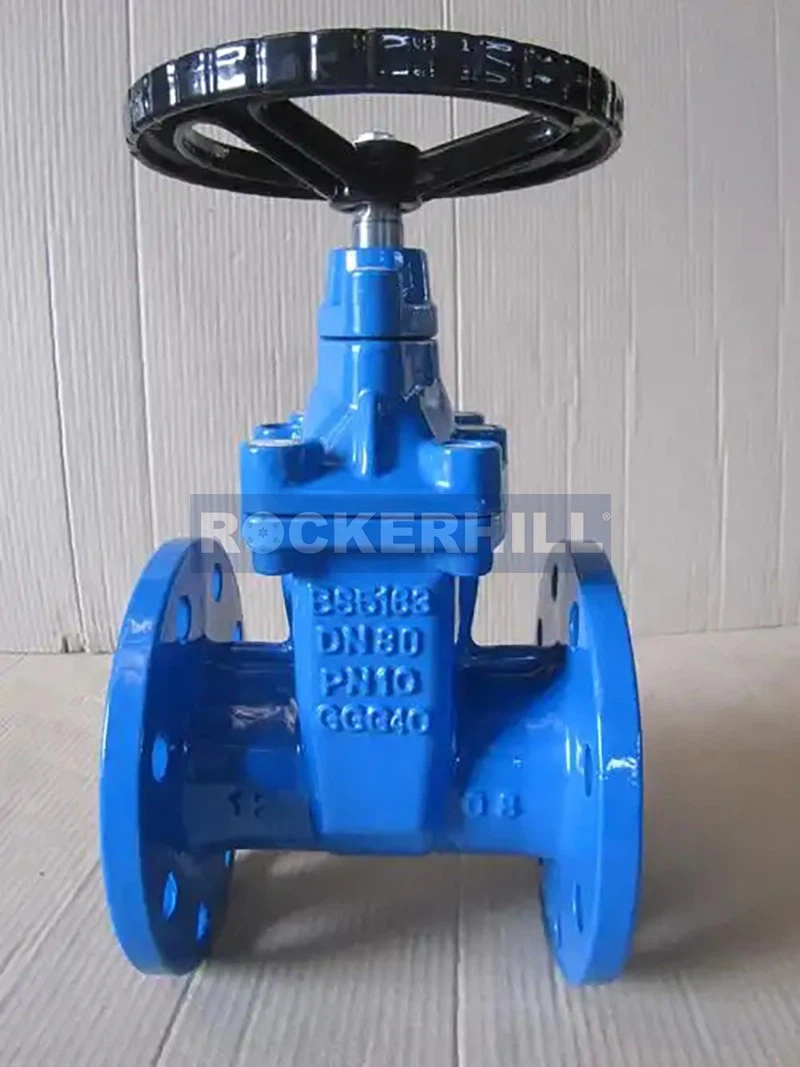
Domestic gate valves are typically designed for smaller - scale applications. They are usually made of materials like brass or plastic. Brass domestic gate valves are corrosion - resistant and have a relatively simple structure. The body of a domestic gate valve is often compact, making it easy to install in tight spaces such as under sinks or in small plumbing systems. The gate inside a domestic gate valve is usually a flat plate that moves up and down to control the flow of water. These valves are often hand - operated, with a simple wheel or lever for opening and closing.
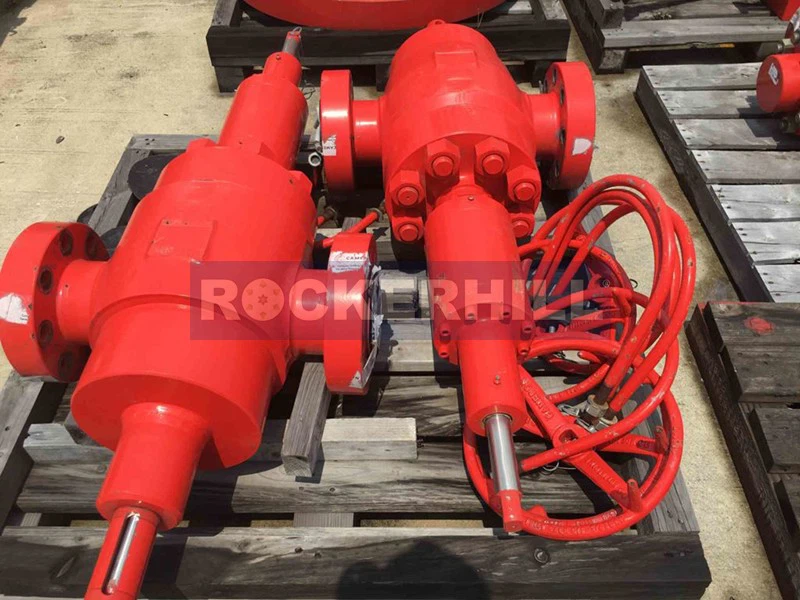
On the other hand, industrial gate valves are built to withstand more demanding conditions. They are commonly made from materials such as cast iron, carbon steel, or stainless steel. The construction of industrial gate valves is more robust. The valve bodies are larger and thicker to handle high - pressure and high - temperature fluids. For example, in a chemical processing plant, the gate valve needs to be able to resist the corrosive effects of various chemicals. Industrial gate valves may also have more complex internal structures. Some industrial gate valves use a wedge - shaped gate, which provides a better seal under high pressure.
Performance and Functionality
In terms of performance, domestic gate valves are designed for low - pressure and low - flow applications. They are mainly used in residential plumbing systems to control the flow of water to faucets, toilets, and other fixtures. The pressure ratings of domestic gate valves are typically in the range of 100 - 200 psi (pounds per square inch). They are not designed to handle large volumes of fluid or high - velocity flows.
Industrial gate valves, however, are engineered for high - performance applications. They can handle much higher pressures, sometimes up to several thousand psi. For instance, in an oil and gas pipeline, the gate valve may need to withstand the high pressure of the flowing oil or gas. Industrial gate valves also need to be able to control large - scale fluid flows. They are used in power plants, refineries, and water treatment facilities to regulate the flow of steam, water, and other fluids. Some industrial gate valves are designed to operate in extreme temperatures, from cryogenic conditions in the liquefied natural gas industry to high - temperature steam in power generation.
Application Scenarios
Domestic gate valves are mainly used in residential settings. You can find them in your home's plumbing system, controlling the water supply to different parts of the house. For example, a domestic gate valve may be installed at the main water supply line to the house, allowing you to shut off the water in case of a leak or plumbing repair. They are also used in smaller commercial buildings with relatively simple plumbing needs, such as small offices or retail stores.
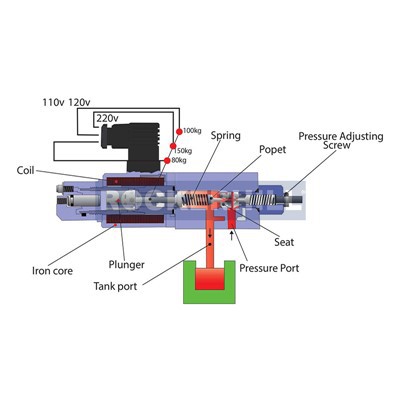
Industrial gate valves have a much wider range of applications. In the oil and gas industry, they are used in pipelines to control the flow of crude oil, natural gas, and refined products. In power plants, gate valves are used to regulate the flow of steam and water in the boiler and turbine systems. In the chemical industry, they are used to handle various chemicals and solvents. For example, a Hydraulic Gate Valve may be used in a hydraulic system to control the flow of hydraulic fluid, which is crucial for the operation of heavy machinery.
Cost and Maintenance
Domestic gate valves are generally more affordable. Due to their simpler design and smaller size, the manufacturing cost is relatively low. They are also easier to install, which can save on labor costs. Maintenance of domestic gate valves is usually straightforward. If a domestic gate valve fails, it can often be replaced with a new one at a relatively low cost.
Industrial gate valves, on the other hand, are more expensive. The high - quality materials and complex manufacturing processes contribute to the higher cost. Installation of industrial gate valves may require specialized equipment and skilled labor, which adds to the overall cost. Maintenance of industrial gate valves is also more complex. Regular inspections, lubrication, and testing are required to ensure their proper functioning. In case of a failure, the cost of repair or replacement can be significant, especially considering the downtime it may cause in an industrial process.
Types of Operation
Domestic gate valves are predominantly hand - operated. The simple wheel or lever design allows homeowners or maintenance personnel to easily open and close the valve. This manual operation is sufficient for the low - pressure and low - flow applications in domestic settings.
Industrial gate valves offer a variety of operation methods. In addition to manual operation, they can be electrically, pneumatically, or hydraulically operated. An Electric Gate Valve can be controlled remotely, which is very useful in large - scale industrial facilities where it may be difficult or dangerous to access the valve manually. Pneumatic and hydraulic gate valves are often used in applications where quick and precise control is required. For example, in an automated manufacturing process, a pneumatic gate valve can be used to rapidly open or close the flow of a fluid.
Seal and Leakage
In domestic gate valves, the sealing requirements are relatively low. A good seal is needed to prevent small - scale leaks in the plumbing system. The seals in domestic gate valves are usually made of rubber or other soft materials. These seals are sufficient for the low - pressure and low - flow conditions in residential applications.
Industrial gate valves have much stricter sealing requirements. Leakage in an industrial setting can lead to significant safety hazards and economic losses. For example, a leak in a chemical pipeline can cause environmental pollution and endanger the health of workers. Industrial gate valves use high - quality seals made of materials such as graphite or metal. These seals are designed to withstand high pressures and temperatures and provide a tight seal to prevent leakage.
Size and Dimensions
Domestic gate valves are relatively small in size. The pipe diameters they are designed for are usually in the range of 1/2 inch to 2 inches. This small size makes them suitable for the narrow pipes in residential plumbing systems.
Industrial gate valves come in a wide range of sizes. The pipe diameters can range from a few inches to several feet. In large - scale industrial projects, such as water treatment plants or power stations, very large - diameter gate valves are required to handle the massive flow of fluids. For example, a Sluice Gate Valve used in a water dam may have a diameter of several meters.
Conclusion
In conclusion, the differences between domestic gate valves and industrial gate valves are significant. Domestic gate valves are designed for small - scale, low - pressure, and low - flow applications in residential and small - commercial settings. They are simple, affordable, and easy to maintain. Industrial gate valves, on the other hand, are built for high - performance, high - pressure, and high - flow applications in various industries. They are more complex, expensive, and require more specialized maintenance.
If you are in need of gate valves, whether for domestic or industrial use, I encourage you to contact us for a detailed discussion. We, as a gate valve supplier, have a wide range of products to meet your specific requirements. Our team of experts can help you select the most suitable gate valve for your application and provide you with professional advice on installation and maintenance.
References
- Valve Handbook: A Guide to Valve Technology and Applications.
- Industrial Valve Standards and Specifications.
- Plumbing Engineering: Principles and Practices.