


Hey there! As a check valve supplier, I often get asked about the maintenance interval for check valves. It's a crucial question because getting it right can save you a lot of time, money, and headaches in the long run. So, let's dive into what affects the maintenance interval and how you can figure out the best schedule for your check valves.
What's a Check Valve Anyway?
Before we talk about maintenance, let's quickly go over what a check valve does. A check valve is a simple but super important device. It allows fluid (like water, oil, or gas) to flow in one direction only. If the flow tries to reverse, the valve closes automatically to prevent backflow. This is essential in many systems, from plumbing in your home to complex industrial setups.
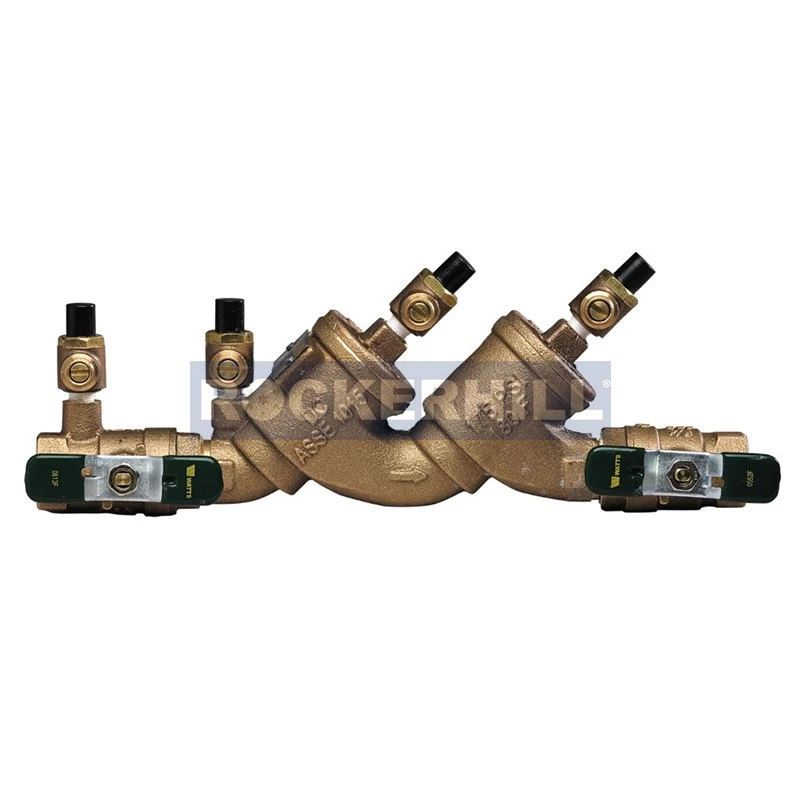
We offer different types of check valves, like the Hydraulic Check Valve, which is great for hydraulic systems where precise control of fluid flow is needed. Then there's the Double Check Valve, which provides an extra layer of protection against backflow. And the Air Control Valve is used in systems where air flow needs to be regulated.
Factors Affecting Maintenance Interval
The maintenance interval for a check valve isn't a one - size - fits - all thing. There are several factors that come into play:
1. Operating Conditions
The environment in which the check valve operates has a huge impact. If the valve is in a clean, stable environment with a consistent flow of fluid, it can probably go longer between maintenance checks. For example, a check valve in a well - maintained water treatment plant might have a longer maintenance interval compared to one in a factory where there's a lot of dust, debris, or corrosive substances in the air or fluid.
2. Fluid Type
The type of fluid flowing through the valve matters. Some fluids are more abrasive or corrosive than others. For instance, if your check valve is handling a highly acidic chemical, it's going to wear out faster than one dealing with plain water. Corrosive fluids can eat away at the valve's internal components, while abrasive ones can cause physical damage to the valve seat and disc.
3. Flow Rate
A high flow rate can put more stress on the check valve. When the fluid is moving quickly, it exerts more force on the valve's parts, which can lead to faster wear and tear. So, if your system has a high - flow application, you might need to check and maintain the valve more frequently.
4. Valve Design and Quality
The design and quality of the check valve itself play a role. A well - designed valve with high - quality materials is likely to last longer and require less frequent maintenance. At our company, we focus on providing top - notch check valves that are built to withstand tough conditions. But even the best valves need some TLC from time to time.

General Maintenance Intervals
While it's hard to give an exact maintenance schedule that works for every situation, here are some general guidelines:
For Light - Duty Applications
In light - duty applications, like in a small residential plumbing system, you can usually get away with checking the check valve once a year. This involves a visual inspection to look for any signs of damage, leaks, or corrosion. You can also test the valve's operation by briefly interrupting the flow and making sure it closes properly.
For Medium - Duty Applications
In medium - duty applications, such as in a small - to - medium - sized industrial facility, a maintenance check every 6 months is a good idea. This might include a more thorough inspection, including disassembling the valve to check the internal components for wear and tear. You may also need to clean the valve to remove any debris that could affect its performance.
For Heavy - Duty Applications
In heavy - duty applications, like in large industrial plants or power generation facilities, the check valve should be inspected and maintained every 3 months or even more frequently. These applications often involve high pressures, high flow rates, and harsh operating conditions, so the valve is under a lot of stress. Regular maintenance can prevent costly breakdowns and ensure the system runs smoothly.
Signs That Your Check Valve Needs Maintenance
Even if you're following a maintenance schedule, it's important to keep an eye out for signs that the valve needs attention sooner. Here are some things to watch for:
Leaks
If you notice any fluid leaking from the valve, it's a clear sign that something is wrong. Leaks can be caused by a damaged valve seat, a worn - out seal, or a crack in the valve body. Ignoring a leak can lead to loss of fluid, reduced system efficiency, and even safety hazards.
Noisy Operation
A check valve that makes unusual noises, like rattling or banging, could be a sign of a problem. This could be due to a loose internal component, a damaged disc, or improper valve sizing. Noisy operation can also indicate that the valve is not closing properly, which can lead to backflow.
Reduced Flow
If you notice a decrease in the flow rate through the system, the check valve could be the culprit. A partially blocked valve or a valve that's not opening fully can restrict the flow of fluid. This can affect the performance of the entire system and may require immediate attention.
How to Maintain Your Check Valve
When it's time for maintenance, here are the steps you can take:
Visual Inspection
Start with a visual inspection of the valve. Look for any signs of damage, such as cracks, dents, or corrosion on the valve body. Check the connections to make sure they're tight and there are no signs of leaks.
Cleaning
If the valve is dirty, clean it using an appropriate cleaning solution. Make sure to follow the manufacturer's instructions to avoid damaging the valve. Remove any debris or buildup from the valve seat, disc, and other internal components.
Testing
Test the valve's operation to make sure it's opening and closing properly. You can do this by briefly interrupting the flow and observing the valve's response. If the valve doesn't close or open as it should, it may need further inspection or repair.
Replacement of Worn Parts
If you find any worn - out or damaged parts during the inspection, replace them with new ones. Make sure to use parts that are compatible with your check valve to ensure proper operation.
Why Choose Our Check Valves
At our company, we understand the importance of reliable check valves. Our valves are designed and manufactured to the highest standards, using high - quality materials that can withstand a wide range of operating conditions. We offer a variety of check valves to meet your specific needs, and our team of experts is always available to provide advice on maintenance and installation.
If you're in the market for a new check valve or need help with maintaining your existing ones, we'd love to hear from you. Contact us to discuss your requirements and let's work together to find the best solution for your system.
References
- "Valve Handbook" by J. S. T. Yao
- "Industrial Valves: Selection, Specification, and Installation" by Tom Irvine
So, there you have it! A comprehensive guide to the maintenance interval for check valves. By understanding the factors that affect maintenance and following a regular maintenance schedule, you can keep your check valves in top shape and ensure the smooth operation of your system.




