In the intricate process of winemaking, every piece of equipment plays a crucial role in ensuring the quality and purity of the final product. Among these, the bar screen stands out as an often - overlooked yet essential component in a winery. As a bar screen supplier, I've witnessed firsthand how these devices contribute to the overall efficiency and success of winemaking operations.
The Basics of a Bar Screen
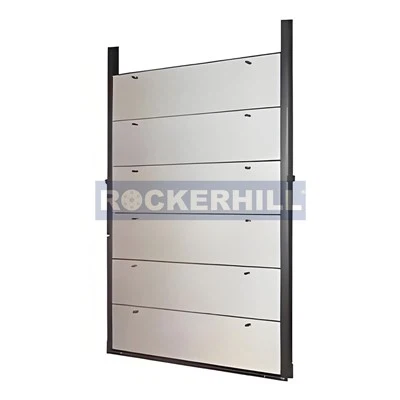
A bar screen is a mechanical device typically made up of a series of parallel bars in a frame. These bars are spaced at a specific interval, which can vary depending on the application. In a winery, bar screens are primarily used for the initial stage of filtration. They act as a physical barrier, preventing large solid particles from entering the subsequent stages of the winemaking process.
The design of a bar screen is of utmost importance. A well - designed bar screen ensures optimal flow rates while effectively capturing debris. You can find more information about Bar Screen Design. The spacing between the bars is carefully calculated to allow the liquid (in this case, grape juice or must) to pass through while retaining larger objects such as grape stems, leaves, and other foreign matter. This initial filtration step is crucial as it helps to protect downstream equipment from damage and clogging.
Role in the Winemaking Process
1. Protecting Equipment
One of the primary roles of a bar screen in a winery is to safeguard other equipment in the production line. Grapevines are often harvested with various contaminants, including twigs, leaves, and small stones. If these large particles were to enter pumps, crushers, or fermenters, they could cause significant damage. Pumps may experience reduced efficiency or even mechanical failure due to blockages. Crushers could be damaged by hard objects, and fermenters may develop off - flavors if foreign matter is allowed to ferment along with the grapes. By removing these large solids at the beginning, the bar screen extends the lifespan of expensive winemaking equipment and reduces maintenance costs.
2. Improving Juice Quality
The quality of the grape juice or must is directly affected by the presence of large particles. These contaminants can impart unwanted flavors and aromas to the wine. For example, grape stems contain tannins that, if not removed, can make the wine taste bitter and astringent. By using a bar screen to remove stems and other debris, winemakers can ensure that the juice has a cleaner, more pure flavor profile. This is especially important for high - end wines, where the slightest off - note can significantly affect the market value of the product.


3. Enhancing Fermentation
A clean must is essential for a successful fermentation process. Large particles can interfere with the yeast's ability to ferment the sugars in the grape juice. They can create pockets of oxygen, which can lead to the growth of unwanted bacteria and spoilage organisms. Additionally, the presence of debris can make it difficult for the yeast to evenly distribute throughout the must. By removing these particles with a bar screen, winemakers can create an ideal environment for yeast activity, resulting in a more consistent and efficient fermentation process.
Types of Bar Screens Used in Wineries
1. Manual Bar Screens
Manual bar screens are the simplest type of bar screen. They consist of a fixed frame with bars and require manual cleaning. In smaller wineries or for batch processing, manual bar screens can be a cost - effective solution. However, they do require regular attention from the winery staff to remove the accumulated debris. This can be time - consuming, especially during the busy harvest season.
2. Mechanical Bar Screens
Mechanical Bar Screens are more advanced and automated. They use a mechanical system, such as a rake or a brush, to continuously remove the debris from the bars. This reduces the need for manual labor and ensures a more consistent level of filtration. Mechanical bar screens are suitable for larger wineries with high - volume production. They can handle a large flow of grape juice or must and are designed to operate continuously without significant downtime for cleaning.
Bar Screens in Special Applications
In some cases, wineries may be located near coastal areas or use water from desalination plants in their operations. In such situations, Bar Screens For Sea Water Desalination can be adapted for use in the winery. These bar screens are designed to handle the unique challenges associated with seawater, such as the presence of salt, sand, and marine organisms. They are made from corrosion - resistant materials to ensure long - term durability in a harsh environment.
Maintenance and Considerations
Proper maintenance of bar screens is essential to ensure their optimal performance. Regular cleaning is necessary to prevent the build - up of debris, which can reduce the flow rate and efficiency of the screen. For manual bar screens, this involves physically removing the accumulated solids from the bars. For mechanical bar screens, the mechanical components, such as the rake or brush, need to be inspected and maintained regularly to ensure they are functioning correctly.
When selecting a bar screen for a winery, several factors need to be considered. The size of the winery, the volume of production, and the type of grapes being processed all play a role in determining the appropriate bar screen. The spacing between the bars should be carefully chosen based on the size of the particles that need to be removed. Additionally, the material of the bar screen should be selected based on its durability and resistance to corrosion, especially if the winery uses water with high mineral content.
Conclusion
In conclusion, the bar screen is an indispensable part of a winery's equipment. Its role in protecting equipment, improving juice quality, and enhancing fermentation cannot be overstated. As a bar screen supplier, I understand the unique needs of wineries and offer a range of high - quality bar screens to meet those needs. Whether you are a small - scale artisanal winery or a large commercial operation, the right bar screen can make a significant difference in the quality and efficiency of your winemaking process.
If you are interested in learning more about our bar screens or would like to discuss your specific requirements, please feel free to reach out to us. We are committed to providing you with the best solutions for your winery.
References
- Boulton, R. B., Singleton, V. L., Bisson, L. F., & Kunkee, R. E. (1996). Principles and Practices of Winemaking. Chapman & Hall.
- Jackson, R. S. (2008). Wine Science: Principles, Practices, Perceptions. Academic Press.