



Description
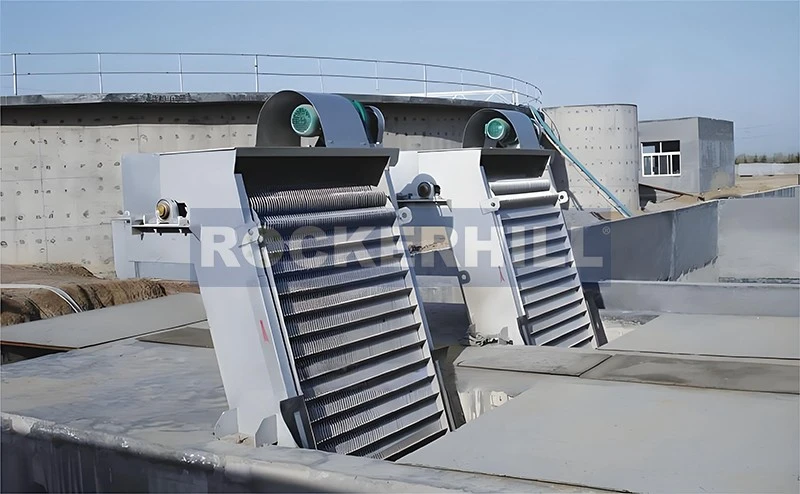
A ROCKERHILL bar screen is a fundamental and robust mechanical screening device used at the very front end of a sea water desalination plant's intake system. It functions as the first line of defense, designed to remove large, coarse solids from the raw seawater. The screen consists of a series of parallel vertical or inclined bars, spaced at a set distance, forming a protective grid. As seawater passes through this grid, large debris such as logs, plastic bags, fishing gear, and other bulky marine objects are trapped and prevented from entering the plant.
Based on different applications and special requirement from Client, ROCKERHILL customize the design and manufacture accordingly.
With ROCKERHILL patented technology, our special design of band screen for sea water desalination purposes have been widely applied in many developed countries like USA, Australia, Spain, South Korea.
Key Advantages of ROCKERHILL Bar Screens for Sea Water Desalination
Primary Protection:
They effectively safeguard critical downstream equipment, such as fine screens, pumps, and valves, from damage, clogging, or jamming caused by large objects.
Structural Simplicity and Robustness:
With a simple design of bars and a raking mechanism, they are highly durable and capable of withstanding the impact of heavy debris.
High Reliability:
Mechanically raked bar screens are known for their dependable operation with minimal maintenance, which is crucial for the continuous operation of a desalination plant.
Low Head Loss:
When clean, the open area between bars creates minimal resistance to water flow, ensuring efficient hydraulic performance at the intake.

Structural Features of Bar Screens for Sea Water Desalination
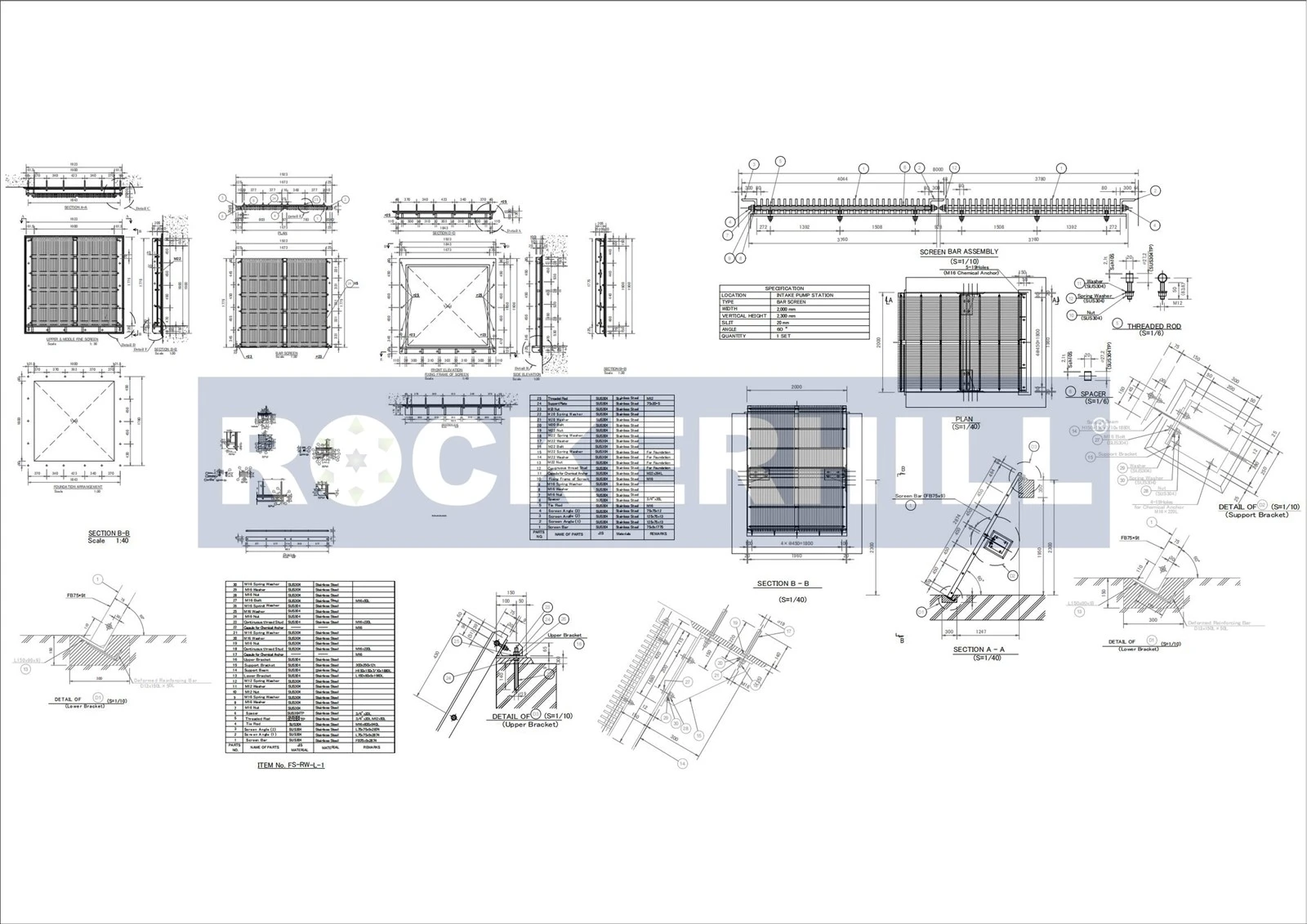
To perform reliably in a corrosive marine environment, bar screens are built with specific features:
Corrosion-Resistant Bars:
The screen bars are typically constructed from solid stainless steel (e.g., Duplex 2507) to provide strength and resist corrosion. The bars are often shaped to minimize clogging.
Mechanical Raking System:
An automated system, comprising a rake equipped with cleaning teeth or tines, travels up and down the bar face. This rake hooks and lifts the trapped debris to the top of the screen for disposal.
Drive Unit:
A powerful, top-mounted electric motor and gearbox provide the force needed to drive the raking mechanism, even under heavy debris loads.
Corrosion-Resistant Frame and Components:
The entire structure, including the side channels and head frame, is typically fabricated from coated carbon steel or stainless steel to ensure long-term integrity.
Primary Applications
Within a sea water desalination plant, the bar screen has one critical and well-defined application:
- Coarse Intake Screening: It is installed at the plant's main seawater intake structure or in the inlet channel. Its sole purpose is to provide coarse screening, removing all large solids before the water reaches finer screening or pretreatment equipment like band screens or drum screens.
Technical Considerations for Bar Screens in Water Control
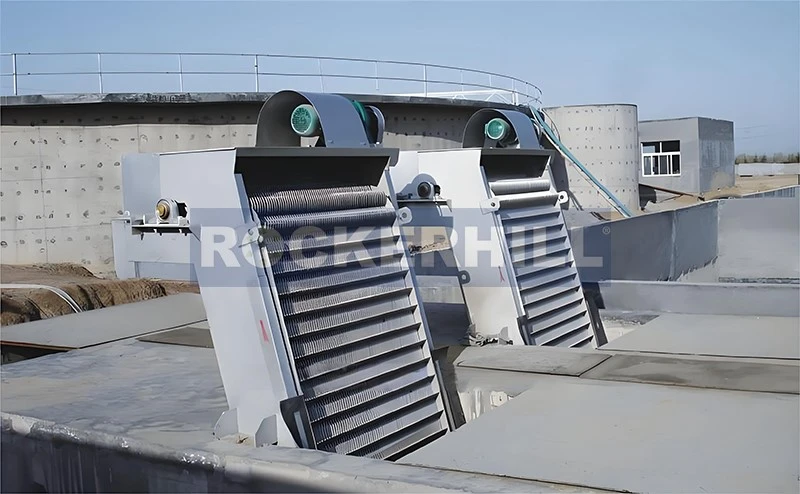
The effective design and operation of bar screens require careful attention to several technical factors:
Bar Spacing: The clear space between bars is a primary design choice, typically ranging from 20 mm to 50 mm (approx. 0.75 to 2 inches) for coarse screening. This spacing is selected based on the size of debris to be excluded and the protection requirements of downstream equipment.
Approach Velocity: The velocity of the water flowing towards the screen must be controlled to prevent forcing debris through the bars and to avoid excessive head loss. A velocity that is too low can also allow grit and sand to settle in the channel.
Cleaning Frequency: The raking cycle can be initiated by a timer or, more efficiently, by a differential pressure (head loss) sensor. This ensures the screen is cleaned only when necessary, optimizing energy use and mechanical wear.
Material Selection: The harsh seawater environment demands careful material selection for all wetted parts to prevent rapid corrosion failure. Stainless steel grades and protective coatings are critical.
Summary
In summary, the ROCKERHILL bar screen is an indispensable, heavy-duty workhorse at the intake of every major sea water desalination plant. Its simple yet robust design provides vital primary protection for the entire downstream water treatment train. By efficiently removing large and potentially damaging debris, the bar screen ensures the operational integrity of sensitive and expensive equipment like pumps and fine screens.
Hot Tags: bar screens for sea water desalination, China bar screens for sea water desalination manufacturers, suppliers, factory





