


In the realm of industrial operations, the question of whether an air valve can be used in a corrosive environment is a critical one. As an air valve supplier, I've encountered numerous inquiries from clients facing this very dilemma. In this blog, I'll delve into the intricacies of using air valves in corrosive settings, exploring the challenges, solutions, and considerations.
Understanding Corrosive Environments
Corrosive environments are characterized by the presence of substances that can cause the deterioration of materials over time. These substances can include chemicals, acids, salts, and moisture. Industries such as chemical manufacturing, oil and gas, wastewater treatment, and marine applications often operate in highly corrosive conditions.
When an air valve is exposed to a corrosive environment, it can experience a range of issues. Corrosion can weaken the valve's structure, leading to leaks, reduced functionality, and ultimately, failure. This not only disrupts the normal operation of the system but can also pose safety risks and result in significant financial losses.
Challenges of Using Air Valves in Corrosive Environments
One of the primary challenges is the choice of materials. Traditional air valves are typically made from metals such as cast iron, carbon steel, or brass. While these materials are strong and durable, they are also susceptible to corrosion in the presence of corrosive agents. For example, in a chemical plant where acids are present, the metal components of an air valve can quickly corrode, leading to pitting, rusting, and eventually, the breakdown of the valve.
Another challenge is the sealing performance. Corrosion can damage the sealing surfaces of the air valve, causing leaks. This is especially problematic in applications where airtightness is crucial, such as in pneumatic systems. A leaky air valve can result in reduced efficiency, increased energy consumption, and potential safety hazards.
In addition, the operating conditions in corrosive environments can be harsh. High temperatures, pressure, and flow rates can exacerbate the effects of corrosion, making it even more difficult for the air valve to maintain its performance.
Solutions for Using Air Valves in Corrosive Environments
To overcome these challenges, several solutions are available. One option is to use corrosion-resistant materials. For instance, stainless steel is a popular choice due to its high resistance to corrosion. It contains chromium, which forms a protective oxide layer on the surface, preventing further corrosion. Other materials such as plastics, ceramics, and composites can also be used in certain applications. These materials offer excellent chemical resistance and can withstand harsh environments.
Another solution is to apply protective coatings. Coatings such as epoxy, polyurethane, or zinc can be applied to the surface of the air valve to provide an additional layer of protection against corrosion. These coatings act as a barrier, preventing the corrosive agents from coming into contact with the metal substrate.
In some cases, it may be necessary to design the air valve specifically for corrosive environments. This can involve using special sealing materials, improving the valve's internal structure, and ensuring proper drainage to prevent the accumulation of corrosive substances. For more information on Air Valve Design, you can visit our website.
Types of Air Valves Suitable for Corrosive Environments
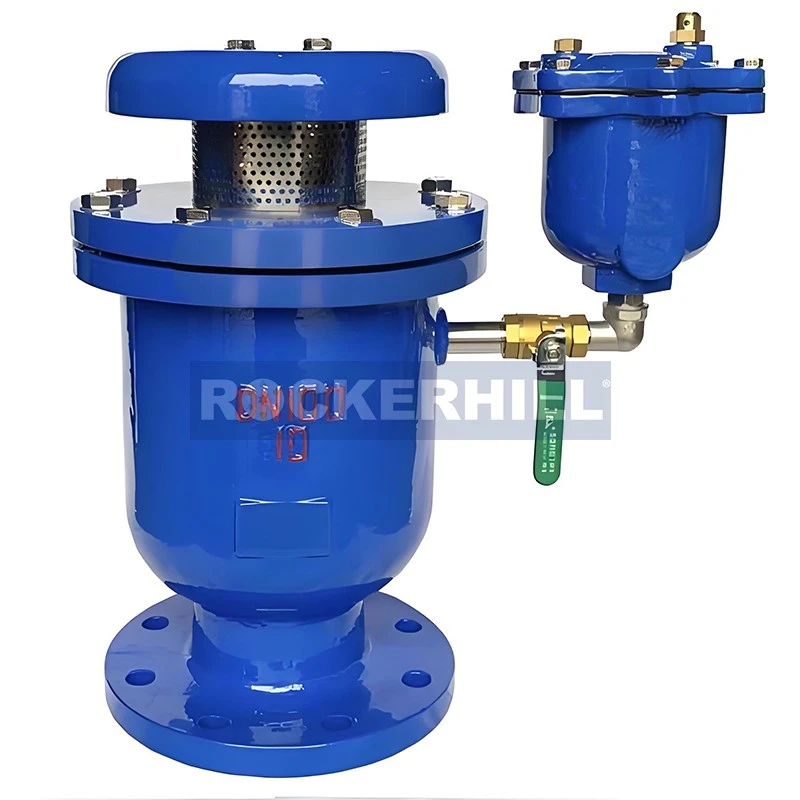
- Air Relief Valve Air Relief Valve
- An air relief valve is designed to release excess air from a system. In a corrosive environment, a stainless - steel air relief valve can be used to ensure reliable operation. The valve can be designed with a corrosion - resistant diaphragm or seat to prevent leaks and maintain its functionality.
- Air Solenoid Valve Air Solenoid Valve
- Air solenoid valves are used to control the flow of air in pneumatic systems. In corrosive environments, plastic or stainless - steel solenoid valves are preferred. These valves can be designed with sealed enclosures to protect the internal components from corrosion.
Considerations When Selecting an Air Valve for a Corrosive Environment
When selecting an air valve for a corrosive environment, several factors need to be considered.
- Chemical Compatibility
- It is essential to understand the specific chemicals present in the environment and choose a valve material that is compatible with them. For example, if the environment contains hydrochloric acid, a valve made from a material that is resistant to this acid, such as polyvinyl chloride (PVC) or certain grades of stainless steel, should be selected.
- Operating Conditions
- Consider the temperature, pressure, and flow rate of the system. High - temperature and high - pressure applications may require a more robust and corrosion - resistant valve design.
- Maintenance Requirements
- Choose a valve that is easy to maintain. In a corrosive environment, regular maintenance is crucial to ensure the long - term performance of the air valve. Valves with accessible components and simple designs are generally easier to clean, inspect, and repair.
Conclusion
In conclusion, while using an air valve in a corrosive environment presents challenges, it is definitely possible with the right solutions and considerations. By using corrosion - resistant materials, applying protective coatings, and choosing the appropriate valve type and design, air valves can operate effectively in corrosive settings.
As an air valve supplier, we have extensive experience in providing solutions for corrosive environments. Our team of experts can help you select the most suitable air valve for your specific application, taking into account all the relevant factors. If you are facing the need to use an air valve in a corrosive environment, we encourage you to contact us for a detailed consultation and to discuss your procurement options. We are committed to providing high - quality air valves and excellent customer service to meet your industrial needs.

References
- "Corrosion Handbook" by Uhlig, H. H.
- "Valve Handbook" by Netter, R.




