


Can radial gates be customized? That's a question I get asked a lot as a supplier of radial gates. And the short answer is yes, they can! In this blog post, I'll dive into the details of customizing radial gates, share some real - world examples, and explain why customization might be the right choice for your project.
First off, let's talk about what radial gates are. Radial gates, also known as Tainter Gate, are a type of hydraulic gate commonly used in dams and water control systems. They have a curved shape and are designed to control the flow of water by rotating around a pivot point. These gates are super important for managing water levels, flood control, and water distribution in various water infrastructure projects.
So, why would you want to customize a radial gate? Well, every water project is unique. The size of the dam, the amount of water flow, the environmental conditions, and the specific requirements of the project can all vary widely. A one - size - fits - all approach just doesn't work in this field. For example, if you're building a dam in a region with high seismic activity, you'll need a radial gate that can withstand the vibrations and movements caused by earthquakes. Customization allows you to design a gate that meets these specific safety requirements.

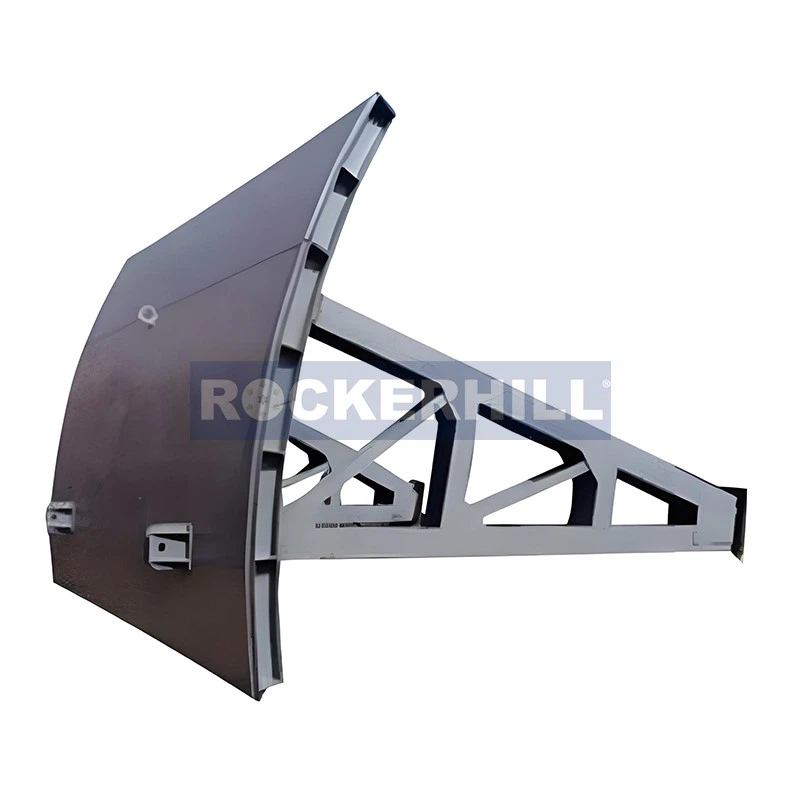
When it comes to customization, there are several aspects that can be adjusted. One of the most obvious is the size. The dimensions of a radial gate need to be carefully calculated based on the size of the opening in the dam or water structure. We can create radial gates in a wide range of sizes, from small ones for irrigation canals to massive ones for large - scale dams. For instance, if you have a narrow opening in a small - scale water control project, we can design a compact radial gate that fits perfectly. On the other hand, for a large dam with a wide spillway, we can build a much larger gate to handle the high volume of water flow.
The material is another crucial factor in customization. Different projects may require different materials depending on the environmental conditions. For gates in freshwater environments, carbon steel might be a cost - effective and durable option. It can be coated to prevent rust and corrosion. However, if the gate is going to be installed in a saltwater environment, stainless steel or other corrosion - resistant alloys might be a better choice. These materials can withstand the harsh saltwater conditions and ensure the long - term performance of the gate.
The operating mechanism of the radial gate can also be customized. There are different types of operating systems available, such as hydraulic, mechanical, and electric. The choice of the operating system depends on the specific needs of the project. For example, in a remote location where power supply is limited, a mechanical operating system might be more suitable. It can be manually operated or powered by a small - scale generator. On the other hand, in a modern, large - scale dam project, a hydraulic operating system might be preferred for its high - power and precise control capabilities.
Let me share a real - world example of a customized radial gate project. We once worked on a dam project in a mountainous area. The dam was located in a region with heavy snowfall and cold temperatures. The client needed a radial gate that could operate smoothly even in these extreme weather conditions. We customized the gate by using a special low - temperature - resistant lubricant for the moving parts. We also designed a heating system for the gate to prevent ice formation. The result was a radial gate that could function reliably throughout the year, even in the harshest winter months.
Another important aspect of customization is the design of the gate's sealing system. A good sealing system is essential to prevent water leakage. Depending on the project requirements, we can customize the sealing materials and the design of the seals. For example, in a project where a high - level of water tightness is required, we might use a double - seal system with high - quality rubber or elastomer materials. This ensures that there is minimal water leakage, which is crucial for the efficient operation of the dam or water control system.
Now, you might be wondering about the cost and time involved in customizing a radial gate. It's true that customization can be more expensive and time - consuming compared to buying a standard gate. However, when you consider the long - term benefits, it's often worth the investment. A customized gate is more likely to meet your project's specific requirements, which can lead to better performance, lower maintenance costs, and increased safety. As for the time, we work closely with our clients to ensure that the customization process is as efficient as possible. We have a team of experienced engineers and technicians who can design and manufacture the gate in a timely manner.
If you're interested in our Dam Radial Gate or have a project that requires a customized radial gate, don't hesitate to get in touch. We're here to discuss your needs, provide professional advice, and offer a solution that fits your project perfectly. Whether you're a dam builder, a water management authority, or an engineer working on a water infrastructure project, we can help you get the right radial gate for your needs.
In conclusion, radial gates can definitely be customized. The ability to customize allows us to create gates that are tailored to the unique requirements of each project. From size and material to operating mechanism and sealing system, every aspect of the gate can be adjusted to ensure optimal performance. If you're considering a radial gate for your project, I encourage you to explore the option of customization. It could be the key to a successful and long - lasting water control solution.
References
- Engineering textbooks on hydraulic structures
- Industry reports on water control systems
- Case studies of radial gate projects




