


In the intricate web of water systems, the role of air valves is often underestimated. As an air valve supplier, I've witnessed firsthand how these seemingly simple components can have a profound impact on the quality of water within a system. This blog post aims to explore the various ways in which air valves affect water quality, shedding light on their importance and the benefits they bring.
Air Entrainment and Its Consequences
Water systems are prone to air entrainment, which occurs when air is trapped within the pipes. This can happen during system startup, shutdown, or due to changes in flow velocity. When air is present in the water, it can lead to a range of problems that directly affect water quality.
One of the primary issues associated with air entrainment is the formation of air pockets. These pockets can disrupt the flow of water, causing uneven distribution and reducing the efficiency of the system. Additionally, air pockets can create areas of low pressure, which can lead to the release of dissolved gases such as oxygen and carbon dioxide. This can have a detrimental effect on water quality, as the presence of these gases can promote the growth of bacteria and other microorganisms.
Another consequence of air entrainment is the potential for water hammer. Water hammer occurs when the flow of water is suddenly stopped or changed, causing a pressure surge within the pipes. This can lead to damage to the pipes, valves, and other components of the system, as well as the release of contaminants into the water. Air valves play a crucial role in preventing water hammer by allowing air to escape from the system and equalizing the pressure.
The Role of Air Valves in Removing Air
Air valves are designed to remove air from the water system, preventing the formation of air pockets and reducing the risk of water hammer. There are several types of air valves available, each with its own specific function and application.
One of the most common types of air valves is the air release valve. This valve is typically installed at high points in the system, where air is most likely to accumulate. The air release valve automatically opens when air is present in the system, allowing it to escape and preventing the formation of air pockets. Once the air has been released, the valve closes, preventing water from escaping.
Another type of air valve is the air/vacuum valve. This valve is designed to allow air to enter the system when the pressure drops below atmospheric pressure, preventing the formation of a vacuum. This is particularly important in systems that are subject to rapid changes in flow velocity, such as those with pumps or valves that are frequently opened and closed. The air/vacuum valve also allows air to escape from the system when the pressure rises above atmospheric pressure, preventing the formation of air pockets.
In addition to air release and air/vacuum valves, there are also combination air valves available. These valves combine the functions of both air release and air/vacuum valves, providing a more comprehensive solution for air management in water systems.
Air Valve Design and Its Impact on Water Quality
The design of air valves plays a crucial role in their effectiveness in removing air from the water system and maintaining water quality. A well-designed air valve should be able to open and close quickly and reliably, allowing air to escape from the system without allowing water to leak. It should also be able to withstand the pressure and temperature conditions of the system, as well as the corrosive effects of the water.
When selecting an air valve for a water system, it is important to consider the specific requirements of the system, such as the flow rate, pressure, and temperature. The size and type of air valve should be selected based on these requirements, as well as the location of the valve within the system.
In addition to the design of the air valve itself, the installation and maintenance of the valve are also important factors in ensuring its effectiveness. Air valves should be installed in accordance with the manufacturer's instructions, and they should be regularly inspected and maintained to ensure that they are functioning properly.

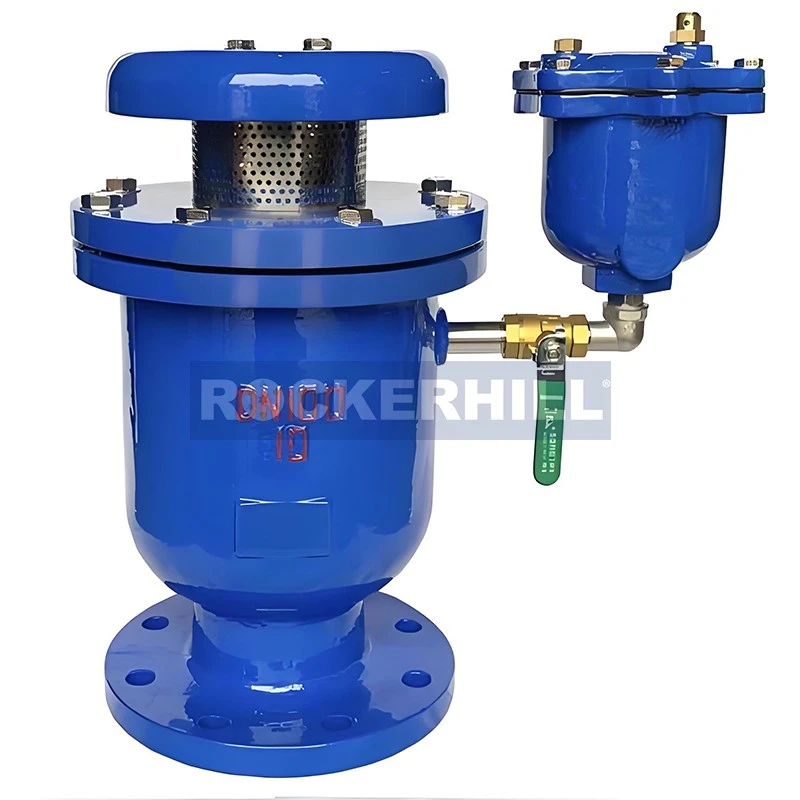
The Benefits of Using Air Valves in Water Systems
The use of air valves in water systems offers several benefits, including improved water quality, increased system efficiency, and reduced maintenance costs.
By removing air from the water system, air valves help to prevent the formation of air pockets and reduce the risk of water hammer. This can lead to a more consistent flow of water, improved system efficiency, and reduced energy consumption. Additionally, by preventing the release of dissolved gases and contaminants into the water, air valves help to maintain water quality and protect the health of consumers.
Another benefit of using air valves in water systems is the reduced risk of damage to the pipes, valves, and other components of the system. Water hammer can cause significant damage to these components, leading to costly repairs and downtime. By preventing water hammer, air valves help to extend the lifespan of the system and reduce maintenance costs.
Conclusion
In conclusion, air valves play a crucial role in maintaining the quality of water in a system. By removing air from the water system, air valves help to prevent the formation of air pockets, reduce the risk of water hammer, and maintain a consistent flow of water. This can lead to improved system efficiency, reduced energy consumption, and increased water quality.
As an air valve supplier, I am committed to providing high-quality air valves that are designed to meet the specific needs of each water system. Whether you are looking for an air release valve, an air/vacuum valve, or a combination air valve, I can help you select the right valve for your system.
If you are interested in learning more about air valves and how they can improve the quality of water in your system, please visit our website at Air Valve Design, Air Relief Valve, or Air Solenoid Valve. Our team of experts is available to answer any questions you may have and to provide you with a free consultation. Contact us today to discuss your air valve needs and to learn more about how we can help you improve the performance of your water system.
References
- AWWA M51: Air-Release, Air/Vacuum, and Combination Air Valves for Water and Wastewater Service
- ISO 7841: Air Valves for Water Supply and Sewerage
- Water Research Foundation: Air Entrainment and Its Effects on Water Distribution Systems




