


The performance of a ball valve is a critical factor in various industrial applications, and the body material plays a pivotal role in determining its overall functionality. As a ball valve supplier, I have witnessed firsthand how different body materials can significantly impact the performance of these essential components. In this blog, I will delve into the ways in which the body material affects the performance of a ball valve, exploring the key considerations and trade - offs associated with each material.
1. Corrosion Resistance
One of the most important aspects influenced by the body material is corrosion resistance. In many industrial settings, ball valves are exposed to harsh chemicals, corrosive fluids, and high - humidity environments. Using a body material with poor corrosion resistance can lead to rapid degradation of the valve, resulting in leaks, reduced flow control, and ultimately, valve failure.
- Stainless Steel: Stainless steel is a popular choice for ball valve bodies due to its excellent corrosion resistance. It contains chromium, which forms a passive oxide layer on the surface, protecting the metal from rust and corrosion. This makes stainless steel ball valves suitable for a wide range of applications, including water treatment, chemical processing, and food and beverage industries. For example, in a water treatment plant, stainless steel ball valves can withstand the corrosive effects of chlorine and other disinfectants, ensuring long - term reliable operation. [1]
- Brass: Brass is another commonly used material for ball valve bodies. It has good corrosion resistance in many non - aggressive environments, such as domestic plumbing systems. However, brass may not be suitable for applications involving highly acidic or alkaline fluids. In a plumbing system, brass ball valves are often used for controlling the flow of water in residential and commercial buildings. But if the water has a high sulfur content, brass valves may experience corrosion over time.
- PVC (Polyvinyl Chloride): PVC is a non - metallic material known for its excellent corrosion resistance to many chemicals, especially acids and alkalis. PVC ball valves are lightweight, inexpensive, and easy to install. They are commonly used in applications where the fluid is non - abrasive and the pressure is relatively low, such as in irrigation systems and some chemical handling processes. However, PVC has a lower temperature and pressure rating compared to metal materials, which limits its use in high - performance applications.
2. Strength and Durability
The strength and durability of the ball valve body are crucial for withstanding the pressure and mechanical stresses encountered during operation. Different body materials have varying levels of strength, which can affect the valve's ability to handle high - pressure applications and resist physical damage.

- Carbon Steel: Carbon steel is a strong and durable material that can withstand high pressures and temperatures. It is commonly used in oil and gas pipelines, power generation plants, and industrial manufacturing processes. Carbon steel ball valves can handle pressures up to several thousand pounds per square inch (psi) and are suitable for applications where reliability and long - term performance are essential. However, carbon steel is prone to corrosion if not properly protected, so it often requires coatings or other corrosion - prevention measures.
- Alloy Steel: Alloy steel is a type of steel that contains additional elements such as chromium, nickel, and molybdenum, which enhance its strength, toughness, and corrosion resistance. Alloy steel ball valves are used in demanding applications, such as offshore oil and gas platforms, where the valves are exposed to high pressures, corrosive seawater, and extreme environmental conditions. These valves can provide superior performance and longer service life compared to carbon steel valves.
- Cast Iron: Cast iron is a relatively inexpensive and widely used material for ball valve bodies. It has good strength and can withstand moderate pressures. Cast iron ball valves are commonly used in low - to medium - pressure applications, such as in municipal water supply systems and some industrial processes. However, cast iron is brittle compared to steel, which means it may be more prone to cracking under high - impact loads or sudden pressure changes.
3. Temperature Resistance
The ability of a ball valve to operate effectively at different temperatures is an important consideration, especially in applications where the fluid temperature can vary significantly. The body material can have a major impact on the valve's temperature resistance.
- High - Temperature Alloys: For applications involving high temperatures, such as in power plants and refineries, ball valves made from high - temperature alloys are often used. These alloys, such as Inconel and Hastelloy, can withstand temperatures up to 1000°C or more. They have excellent mechanical properties and corrosion resistance at high temperatures, ensuring reliable valve operation in extreme heat. For example, in a power plant's steam system, high - temperature alloy ball valves are used to control the flow of superheated steam, which can reach temperatures of several hundred degrees Celsius.
- Plastic Materials: As mentioned earlier, PVC has a relatively low temperature rating, typically up to around 60 - 80°C. Other plastic materials, such as PTFE (Polytetrafluoroethylene), have better temperature resistance. PTFE - lined ball valves can be used in applications where the fluid temperature ranges from - 200°C to 260°C. PTFE is also known for its low friction coefficient, which can improve the valve's operation and reduce wear.
4. Compatibility with Fluids
The body material of a ball valve must be compatible with the fluid it is handling. Incompatible materials can lead to chemical reactions, contamination of the fluid, and damage to the valve.
- Ceramic: Ceramic ball valves are becoming increasingly popular in applications where the fluid is highly abrasive or corrosive. Ceramic materials, such as alumina and zirconia, have excellent wear resistance and chemical stability. They are used in industries such as mining, pulp and paper, and chemical processing, where the valves are exposed to slurries and aggressive chemicals. For example, in a mining operation, ceramic ball valves can handle the abrasive effects of ore slurries without significant wear.
- Specialty Alloys: In some cases, specialty alloys are used to ensure compatibility with specific fluids. For example, in the pharmaceutical industry, ball valves made from titanium or tantalum may be used to handle highly reactive or pure fluids. These alloys have excellent corrosion resistance and are biocompatible, making them suitable for applications where product purity is critical.
5. Impact on Flow Characteristics
The body material can also affect the flow characteristics of a ball valve. Smooth - walled materials can reduce friction and pressure drop, improving the efficiency of the fluid flow.
- Polished Metal Bodies: Ball valves with polished metal bodies, such as stainless steel, can provide a smooth surface for fluid flow. This reduces turbulence and pressure loss, allowing for more efficient operation. In a pipeline system, a ball valve with a polished stainless - steel body can minimize the energy required to pump the fluid, resulting in cost savings over time.
- Lined Bodies: Valves with lined bodies, such as PTFE - lined ball valves, can also improve flow characteristics. The PTFE lining provides a low - friction surface, which reduces the resistance to fluid flow. This is particularly beneficial in applications where the fluid has a high viscosity or where precise flow control is required.
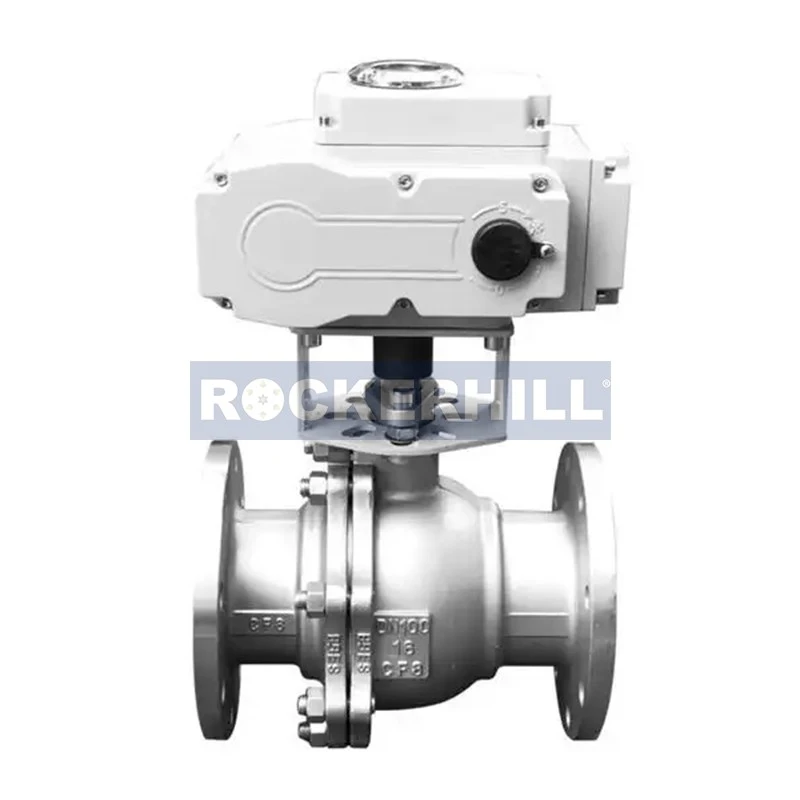
As a ball valve supplier, we offer a wide range of ball valves with different body materials to meet the diverse needs of our customers. Our Electric Actuated Ball Valve is available in various body materials, including stainless steel and brass, providing reliable and efficient flow control in automated systems. Our Hydraulic Ball Valve is designed to withstand high pressures and is made from high - strength materials such as carbon steel and alloy steel. And our Pneumatic Ball Valve offers quick and precise operation, with body materials selected for their compatibility with different fluids and environments.
If you are in need of high - quality ball valves for your industrial applications, we invite you to contact us for procurement and further discussions. Our team of experts can help you select the most suitable ball valve based on your specific requirements, including the body material, size, pressure rating, and temperature range. We are committed to providing you with the best products and services to ensure the optimal performance of your systems.
References
[1] ASM Handbook Committee. ASM Handbook, Volume 13A: Corrosion: Fundamentals, Testing, and Protection. ASM International, 2003.
[2] Valve Manufacturers Association of America. Valve Basics: A Guide to Valve Selection and Application. VMA, 2010.
[3] Perry, R. H., & Green, D. W. Perry's Chemical Engineers' Handbook. McGraw - Hill, 2007.




