


Hey there! As a supplier of filter skids, I often get asked a crucial question: How often should the filters in a filter skid be replaced? Well, there's no one - size - fits - all answer to this, but I'm gonna break down the factors that influence filter replacement frequency and give you a better idea of what to expect.

Understanding Filter Skids
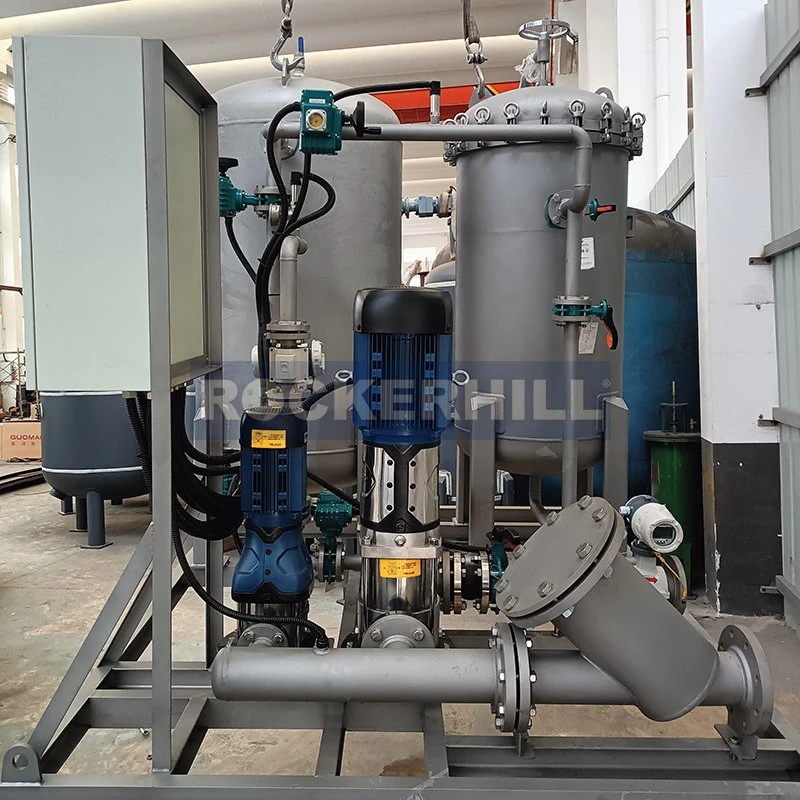
First off, let's quickly go over what a filter skid is. A filter skid is a pre - assembled unit that contains one or more filters, along with the necessary piping, valves, and controls. It's designed to efficiently remove impurities from a fluid, whether it's water, oil, or gas. You can learn more about Filter Skid Design on our website.
Factors Affecting Filter Replacement Frequency
1. Type of Filter
There are different types of filters used in filter skids, such as cartridge filters, bag filters, and sand filters. Each type has its own lifespan. Cartridge filters, for example, are often used for fine filtration. They can get clogged relatively quickly, especially if the fluid being filtered has a high concentration of contaminants. On the other hand, sand filters are more robust and can handle larger volumes of fluid and contaminants, so they may not need to be replaced as often. You can check out Skid Filter for more details on different filter types.
2. Contaminant Level
The amount and type of contaminants in the fluid being filtered play a huge role. If you're filtering water from a well that has a high sediment content, the filters will get dirty faster compared to filtering water from a municipal supply. Similarly, in an industrial setting, if the process generates a lot of particulate matter or chemical impurities, the filters will need to be replaced more frequently.
3. Flow Rate
The flow rate of the fluid through the filter skid also matters. A higher flow rate means more fluid is passing through the filters in a given time, which can lead to quicker clogging. If your system has a high - volume application, you might need to replace the filters more often than a system with a lower flow rate.
4. Operating Conditions
The temperature, pressure, and pH of the fluid can affect the filter's performance and lifespan. Extreme temperatures or pressures can cause the filter media to degrade faster. For example, if the fluid is very hot, it might break down the filter material, reducing its effectiveness and requiring more frequent replacement.
Monitoring Filter Condition
So, how do you know when it's time to replace the filters? There are a few ways to monitor the condition of your filters.
Pressure Drop
One of the most common methods is to measure the pressure drop across the filter. As the filter gets clogged, the pressure drop increases. You can install pressure gauges on either side of the filter to keep track of this. When the pressure drop reaches a certain threshold, it's usually a sign that the filter needs to be replaced.
Visual Inspection
Regular visual inspections can also give you an idea of the filter's condition. If you can see a significant amount of dirt or debris on the filter surface, it's probably time for a change. However, this method is not always reliable, especially for filters that trap contaminants internally.
Contaminant Testing
In some cases, you can take samples of the filtered fluid and test for contaminants. If the level of contaminants in the filtered fluid starts to increase, it could mean that the filter is no longer working effectively and needs to be replaced.
General Guidelines for Filter Replacement
While it's hard to give an exact replacement schedule, here are some general guidelines based on common applications:
Residential Water Filtration
For a typical residential water filter skid used for whole - house filtration, cartridge filters might need to be replaced every 3 - 6 months. This can vary depending on the water quality in your area. If you have hard water or a lot of sediment, you might need to replace them more often.
Industrial Applications
In industrial settings, the replacement frequency can range from a few weeks to several months. For example, in a food and beverage processing plant where strict hygiene standards are required, filters might be replaced every 1 - 2 weeks. In a less demanding industrial process, such as a general manufacturing facility, filters could last 3 - 6 months.
The Importance of Timely Filter Replacement
Replacing filters at the right time is crucial. If you wait too long, a clogged filter can reduce the flow rate of the fluid, which can affect the performance of your entire system. It can also cause damage to other components, such as pumps and valves, due to increased pressure. On the other hand, replacing filters too often can be costly and wasteful.
Conclusion
So, as you can see, the frequency of filter replacement in a filter skid depends on a variety of factors. By understanding these factors and monitoring the condition of your filters, you can ensure that your filter skid operates efficiently and effectively.
If you're in the market for a filter skid or need more advice on filter replacement, don't hesitate to reach out. We're here to help you find the best solution for your specific needs. Whether you're a homeowner looking for clean water or an industrial facility in need of reliable filtration, we've got you covered.
References
- Water Treatment Handbook, Third Edition
- Industrial Filtration Technology Manual




