


Calibrating a metering pump is a crucial process that ensures accurate and consistent fluid dosing in various industrial applications. As a trusted pump supplier, we understand the importance of proper calibration to maintain the efficiency and reliability of your operations. In this blog post, we will guide you through the step-by-step process of calibrating a metering pump, providing you with the knowledge and tools to achieve optimal performance.
Understanding the Basics of Metering Pumps
Before diving into the calibration process, it's essential to have a basic understanding of how metering pumps work. Metering pumps are designed to deliver a precise volume of fluid at a specific flow rate and pressure. They are commonly used in industries such as water treatment, chemical processing, and food and beverage production, where accurate dosing is critical.
There are several types of metering pumps available, including diaphragm pumps, piston pumps, and peristaltic pumps. Each type has its own unique operating principle and characteristics, but the calibration process generally follows similar steps.
Why Calibration is Important
Calibration is the process of adjusting a metering pump to ensure that it delivers the correct volume of fluid at the desired flow rate. Over time, factors such as wear and tear, changes in fluid viscosity, and temperature fluctuations can affect the pump's performance, leading to inaccurate dosing. Regular calibration helps to maintain the pump's accuracy, prevent product quality issues, and reduce the risk of equipment damage.
Step-by-Step Guide to Calibrating a Metering Pump
Step 1: Gather the Necessary Tools and Equipment
Before you begin the calibration process, you will need to gather the following tools and equipment:
- A calibrated measuring container
- A stopwatch or timer
- A pressure gauge
- A flow meter (optional)
- A set of wrenches and screwdrivers
Step 2: Prepare the Pump for Calibration
- Turn off the pump and disconnect it from the power source to ensure your safety.
- Close the inlet and outlet valves to isolate the pump from the system.
- Drain any remaining fluid from the pump and the piping.
Step 3: Check the Pump's Settings
- Refer to the pump's operating manual to determine the recommended flow rate and pressure settings for your application.
- Use a pressure gauge to check the pump's discharge pressure and adjust it if necessary.
- If your pump is equipped with a flow meter, check the flow rate and compare it to the recommended setting.
Step 4: Perform a Visual Inspection
- Inspect the pump for any signs of damage or wear, such as leaks, cracks, or worn-out seals.
- Check the pump's diaphragm or piston for proper alignment and movement.
- Ensure that the pump's valves are functioning correctly and are not clogged or damaged.
Step 5: Prime the Pump
- Fill the calibrated measuring container with the fluid you will be using for calibration.
- Open the inlet valve and allow the fluid to flow into the pump until it is completely filled.
- Close the inlet valve and open the outlet valve to allow any air to escape from the pump.
- Prime the pump by operating it manually or using the pump's priming feature until a steady flow of fluid is achieved.
Step 6: Measure the Pump's Output
- Place the calibrated measuring container under the pump's outlet.
- Start the pump and simultaneously start the stopwatch or timer.
- Allow the pump to run for a specific period of time, typically 1 to 5 minutes, depending on the pump's flow rate.
- Stop the pump and record the volume of fluid collected in the measuring container.
Step 7: Calculate the Pump's Flow Rate
- Divide the volume of fluid collected by the time elapsed to calculate the pump's actual flow rate.
- Compare the actual flow rate to the recommended flow rate specified in the pump's operating manual.
- If the actual flow rate is different from the recommended flow rate, you will need to adjust the pump's settings.
Step 8: Adjust the Pump's Settings
- If the actual flow rate is lower than the recommended flow rate, you can increase the pump's stroke length or speed.
- If the actual flow rate is higher than the recommended flow rate, you can decrease the pump's stroke length or speed.
- Make small adjustments to the pump's settings and repeat the measurement process until the desired flow rate is achieved.
Step 9: Check the Pump's Accuracy
- Once you have adjusted the pump's settings, repeat the measurement process to verify the pump's accuracy.
- Calculate the percentage error between the actual flow rate and the recommended flow rate.
- A percentage error of less than 5% is generally considered acceptable for most applications.
Step 10: Document the Calibration Results
- Record the calibration results, including the date, time, pump model and serial number, recommended flow rate, actual flow rate, and any adjustments made to the pump's settings.
- Keep a copy of the calibration records for future reference and maintenance purposes.
Additional Tips for Calibrating a Metering Pump
- Always follow the manufacturer's instructions and safety guidelines when calibrating a metering pump.
- Use high-quality calibration equipment and tools to ensure accurate measurements.
- Calibrate your metering pump regularly, at least once a year or more frequently if required by your application.
- If you encounter any problems or difficulties during the calibration process, consult the pump's operating manual or contact our technical support team for assistance.
Related Products and Resources
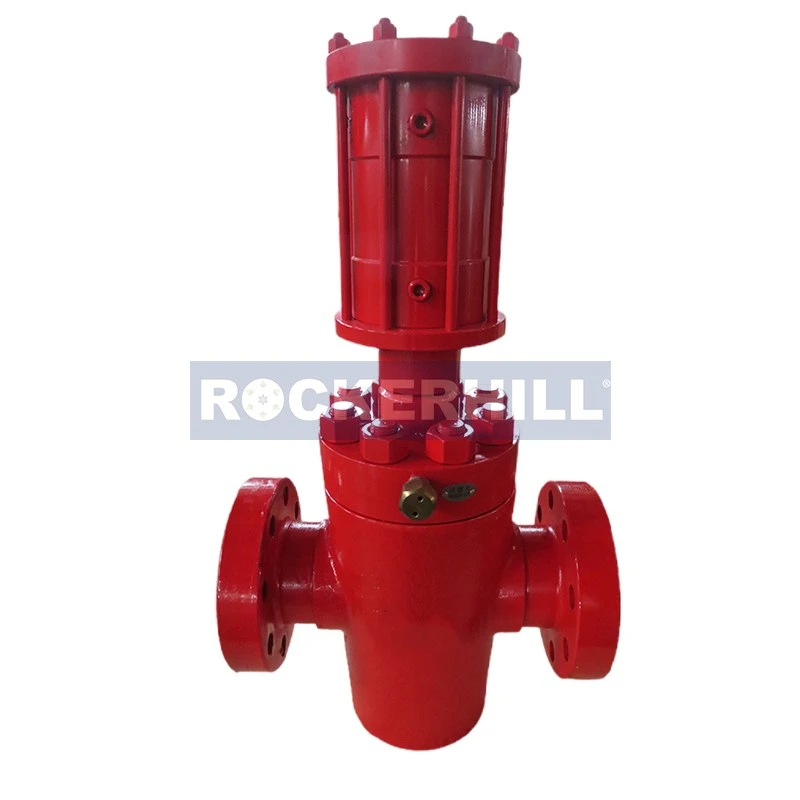
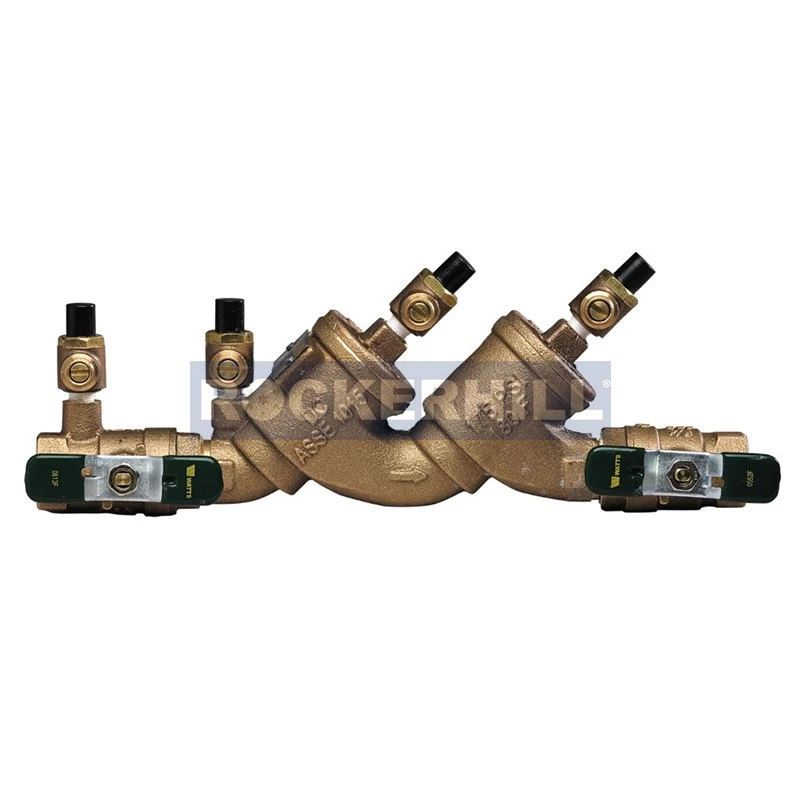
As a pump supplier, we offer a wide range of metering pumps and related products to meet your specific needs. In addition to metering pumps, we also provide Double Check Valve, Hydraulic Gate Valve, and Double Suction Pump Design to ensure the efficient and reliable operation of your fluid handling systems.
Contact Us for Purchasing and Consultation
If you are interested in purchasing a metering pump or need further information about calibration and maintenance, please feel free to contact us. Our team of experts is ready to assist you in selecting the right pump for your application and providing you with the support and guidance you need to ensure its optimal performance.
References
- Manufacturer's operating manual for the metering pump
- Industry standards and guidelines for metering pump calibration
- Technical literature and resources on fluid handling and pump technology




