


Selecting the right bar screen for a high - debris environment is a critical decision that can significantly impact the efficiency and longevity of your wastewater treatment or industrial process. As a bar screen supplier, I understand the challenges that come with dealing with a large volume of debris and the importance of making an informed choice. In this blog, I will share some key factors to consider when selecting a bar screen for such environments.
Understanding the Debris
The first step in choosing a bar screen is to understand the nature of the debris in your environment. High - debris environments can vary widely in terms of the size, shape, and composition of the debris. For example, in a municipal wastewater treatment plant, the debris may include sticks, rags, plastics, and other solid waste. In an industrial setting, it could be metal shavings, wood chips, or fibrous materials.
The size of the debris is a crucial factor. If the debris is large and bulky, you will need a bar screen with wider bar spacing. A wider bar spacing allows larger objects to pass through the screen, reducing the risk of clogging. On the other hand, if the debris is small and fine, a bar screen with narrower bar spacing is required to effectively capture the particles.
The shape of the debris also matters. Irregularly shaped debris, such as long sticks or ropes, may get caught on the bars and cause blockages. In such cases, a bar screen with a self - cleaning mechanism or a smooth surface design can be beneficial.
Types of Bar Screens
There are several types of bar screens available in the market, each with its own advantages and limitations.
Manual Bar Screens
Manual bar screens are the simplest and most cost - effective option. They consist of a series of parallel bars that are manually cleaned at regular intervals. These screens are suitable for small - scale applications or where the debris load is relatively low. However, in a high - debris environment, manual cleaning can be labor - intensive and time - consuming, and there is a higher risk of clogging.
Mechanical Bar Screens
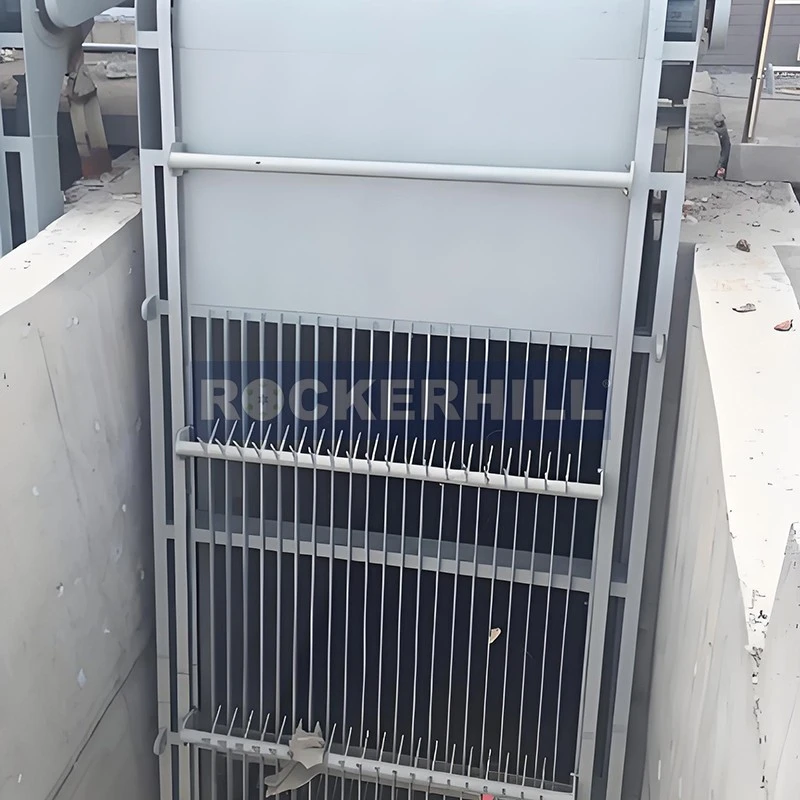
Mechanical bar screens are a more advanced option for high - debris environments. These screens use mechanical means, such as chains, brushes, or rakes, to remove the debris from the bars automatically. Mechanical Bar Screen can handle a large volume of debris and operate continuously without the need for frequent manual intervention. They are available in different configurations, including step screens, drum screens, and band screens, each designed to suit specific applications.
Fine Bar Screens
Fine bar screens have a narrow bar spacing, typically less than 6 mm. They are used to capture small particles and fine debris that may pass through coarser screens. Fine bar screens are often installed downstream of coarse bar screens to provide additional filtration. However, they are more prone to clogging and require more frequent cleaning and maintenance.
Flow Rate and Capacity
The flow rate of the wastewater or process fluid is another important consideration when selecting a bar screen. The bar screen must be able to handle the maximum flow rate without causing excessive headloss. Headloss is the reduction in pressure as the fluid passes through the screen, and excessive headloss can lead to reduced efficiency and increased energy consumption.
To determine the appropriate size and capacity of the bar screen, you need to know the peak flow rate of your system. This information can be obtained from your process design or historical data. The bar screen supplier can then use this data to calculate the required screen area and bar spacing to ensure that the screen can handle the flow rate effectively.
Durability and Material
In a high - debris environment, the bar screen is subject to wear and tear from the constant impact of the debris. Therefore, it is essential to choose a bar screen made of durable materials. Common materials used for bar screens include stainless steel, carbon steel, and fiberglass.
Stainless steel is a popular choice for bar screens due to its corrosion resistance and strength. It can withstand the harsh chemicals and abrasive debris commonly found in wastewater treatment plants. Carbon steel is also a strong and cost - effective option, but it requires proper coating or painting to prevent corrosion. Fiberglass is lightweight and resistant to corrosion, but it may not be as strong as steel and may not be suitable for applications with heavy debris loads.
Bar Screen Design
The design of the bar screen can also affect its performance in a high - debris environment. Bar Screen Design should take into account factors such as the angle of the bars, the shape of the bar cross - section, and the presence of a self - cleaning mechanism.
The angle of the bars can influence the flow of the debris and the ease of cleaning. A steeper angle can help the debris slide down the bars more easily, reducing the risk of clogging. The shape of the bar cross - section can also affect the performance of the screen. For example, triangular or trapezoidal bars are less likely to trap debris compared to rectangular bars.
A self - cleaning mechanism is highly desirable in a high - debris environment. This can include rotating brushes, rakes, or air scouring systems that remove the debris from the bars automatically. A well - designed self - cleaning mechanism can reduce the need for manual cleaning and improve the overall efficiency of the screen.
Maintenance and Service
Regular maintenance is essential to ensure the proper functioning of the bar screen. This includes cleaning the screen, inspecting the mechanical components for wear and tear, and lubricating moving parts. The bar screen supplier should provide clear instructions on maintenance procedures and schedules.
In addition to regular maintenance, it is also important to have access to reliable service and support. The supplier should be able to provide spare parts, technical assistance, and on - site repairs if needed. A good supplier will also offer training to your staff on how to operate and maintain the bar screen properly.
Cost Considerations
Cost is always a factor when making a purchasing decision. While it is important to choose a bar screen that meets your requirements, you also need to consider the initial cost, operating cost, and maintenance cost.
The initial cost of the bar screen includes the purchase price, installation cost, and any associated equipment or accessories. Mechanical bar screens are generally more expensive than manual bar screens, but they can save labor costs in the long run.
The operating cost includes the energy consumption of the screen and the cost of any chemicals or consumables used for cleaning. Fine bar screens may require more energy to operate due to their narrow bar spacing and higher headloss.
The maintenance cost includes the cost of spare parts, labor, and any downtime associated with maintenance and repairs. A bar screen that is easy to maintain and has a long service life can help reduce the overall maintenance cost.

Conclusion
Selecting a bar screen for a high - debris environment requires careful consideration of several factors, including the nature of the debris, the type of bar screen, the flow rate and capacity, durability, design, maintenance, and cost. By working with a reputable bar screen supplier, you can ensure that you choose the right screen for your specific application and get the most out of your investment.
If you are in the process of selecting a bar screen for your high - debris environment, I encourage you to contact me. As a bar screen supplier, I have the expertise and experience to help you make an informed decision. I can provide you with detailed product information, technical support, and a customized solution that meets your specific needs. Let's start a conversation about your bar screen requirements and find the best solution for your project.
References
- Water Environment Federation. (2018). Wastewater Treatment Plant Design, 6th Edition.
- Metcalf & Eddy. (2014). Wastewater Engineering: Treatment and Reuse, 5th Edition.




