


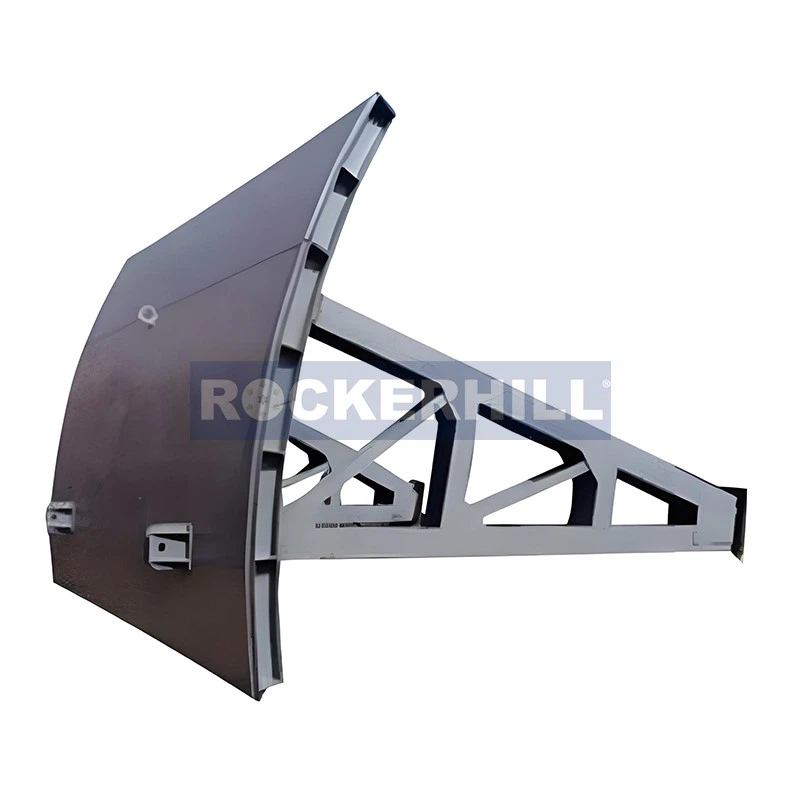
Operating radial gates can be a real challenge, and as a supplier of these gates, I've seen firsthand the issues that can crop up. Radial gates, also known as Tainter Gate, are commonly used in dams and water control systems. They're designed to regulate the flow of water, but there are several hurdles that operators need to overcome.
One of the most significant challenges is dealing with the forces exerted by water. Radial gates are constantly exposed to the pressure of water, which can vary depending on the water level and flow rate. When the water level rises, the force on the gate increases exponentially. This means that the gate needs to be strong enough to withstand these forces without buckling or failing. For instance, in a large dam, the water pressure can be so immense that even a small flaw in the gate's design or construction can lead to catastrophic failure.
Another issue is corrosion. Since radial gates are usually in contact with water for long periods, they're highly susceptible to corrosion. Corrosion can weaken the gate's structure over time, reducing its lifespan and increasing the risk of failure. Saltwater, in particular, is extremely corrosive and can cause significant damage to the gate's metal components. To combat this, we often recommend using high - quality, corrosion - resistant materials during the manufacturing process. However, even with these materials, regular maintenance and inspections are essential to catch any signs of corrosion early.
Maintenance is a major headache for operators of radial gates. These gates have a lot of moving parts, such as hinges, bearings, and seals. Over time, these parts can wear out, get stuck, or become misaligned. For example, the bearings that allow the gate to rotate smoothly can become dry or damaged, causing the gate to operate inefficiently. Seals are also crucial as they prevent water from leaking around the gate. If the seals are worn or damaged, it can lead to water loss and reduced effectiveness of the gate. Regular lubrication, cleaning, and replacement of worn parts are necessary to keep the gate in good working condition. But maintenance can be time - consuming and expensive, especially for large - scale projects.

Debris can also pose a serious problem. In rivers and reservoirs, there's often a lot of debris, such as logs, branches, and trash. This debris can get caught in the gate, preventing it from opening or closing properly. It can also cause damage to the gate's surface and moving parts. For example, a large log getting stuck in the gate's tracks can jam the mechanism and require significant effort to remove. To address this issue, some operators install debris screens upstream of the gate. However, these screens also need to be maintained regularly to ensure they're effective.
Operational errors are another challenge. Radial gates need to be operated correctly to function properly. Incorrect opening or closing procedures can lead to issues such as uneven stress on the gate, which can cause structural damage. For example, if the gate is opened or closed too quickly, it can create shockwaves in the water that can damage the gate and other nearby structures. Training operators to follow the correct procedures is crucial, but it can be difficult to ensure that all operators are well - trained and follow the protocols consistently.
In addition to these mechanical and operational challenges, there are also environmental factors to consider. Extreme weather conditions, such as floods, droughts, and earthquakes, can have a significant impact on radial gates. During a flood, the high water flow and debris can put additional stress on the gate. Droughts can cause the water level to drop, which may expose the gate to different environmental conditions and potentially cause damage. Earthquakes can also pose a threat as they can cause the ground to shake, potentially misaligning the gate or damaging its structure.
Another aspect is the regulatory requirements. There are often strict regulations regarding the operation and safety of radial gates, especially in dams. These regulations are in place to protect public safety and the environment. Operators need to ensure that their gates meet all the relevant standards and regulations. This can involve regular inspections by regulatory authorities, which can be time - consuming and costly. Failure to comply with these regulations can result in fines and even the shutdown of the gate.
When it comes to Dam Radial Gate, the challenges are even more pronounced. Dams are critical infrastructure, and any failure of the radial gate can have far - reaching consequences. The large scale of dam projects means that the forces and stresses on the gates are much greater. Also, the potential impact on downstream areas in case of a gate failure is much more significant. This requires even more rigorous design, construction, and maintenance processes.
Despite all these challenges, radial gates are still an essential part of water control systems. They play a crucial role in managing water resources, preventing floods, and generating hydroelectric power. As a supplier, we're committed to helping our customers overcome these challenges. We offer high - quality radial gates that are designed to withstand the forces of water and environmental factors. Our gates are made with the latest technology and materials to ensure durability and reliability.
We also provide comprehensive after - sales support, including maintenance services and training for operators. Our team of experts can assist with troubleshooting any issues that arise and can offer advice on how to optimize the operation of the gates. If you're facing challenges with your radial gates or are in the market for a new one, don't hesitate to reach out. We're here to help you find the best solutions for your water control needs. Whether it's a small - scale project or a large - scale dam, we have the expertise and experience to meet your requirements. Contact us today to start a discussion about your project and how we can assist you in ensuring the smooth operation of your radial gates.
References
- "Hydraulic Structures Engineering" textbooks
- Industry reports on dam and water control systems
- Case studies of radial gate operations and failures




