


Radial gates are essential components in various hydraulic engineering projects, playing a crucial role in controlling water flow, flood prevention, and water resource management. Among them, single - leaf and multi - leaf radial gates are two common types, each with its own unique characteristics. As a radial gate supplier, I have in - depth knowledge of these two types of gates, and in this blog, I will elaborate on the differences between single - leaf and multi - leaf radial gates.
Structural Design
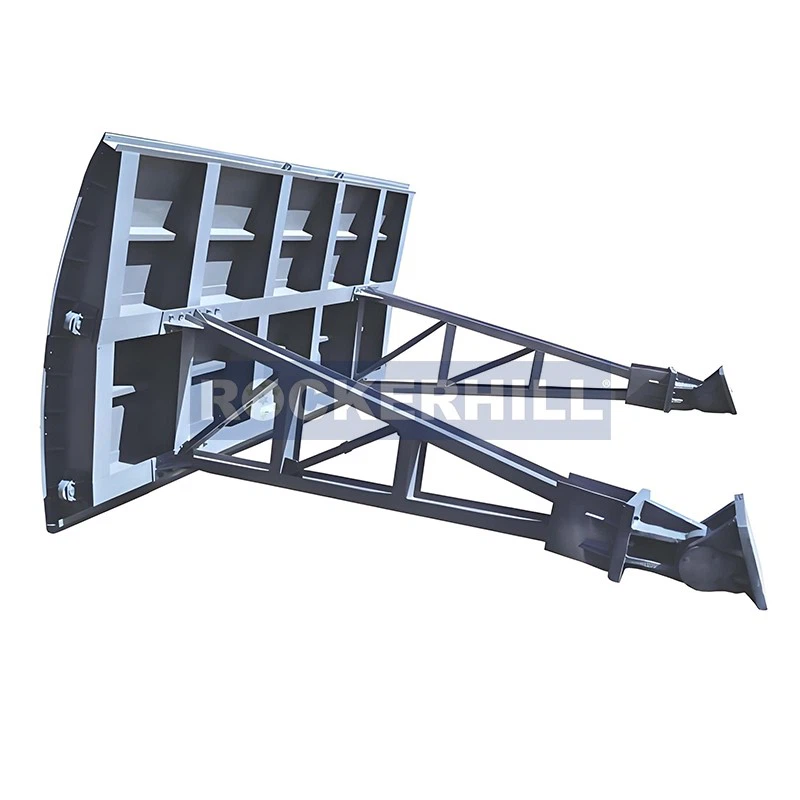
The most obvious difference between single - leaf and multi - leaf radial gates lies in their structural design. A single - leaf radial gate consists of a single, large curved panel that rotates around a horizontal axis. This simple and straightforward design makes it relatively easy to manufacture and install. The single panel provides a continuous surface for water control, which can effectively withstand the water pressure when the gate is closed.
On the other hand, multi - leaf radial gates are composed of multiple smaller curved panels arranged side - by - side. Each panel can be operated independently or in coordination with others. This design allows for more flexible control of water flow. For example, in a situation where only a small amount of water needs to be released, only one or a few leaves can be opened, reducing unnecessary water discharge. The multi - leaf structure also distributes the water pressure more evenly among the panels, which can be beneficial in large - scale projects where the water pressure is extremely high.
Size and Capacity
Single - leaf radial gates are often used in projects with relatively small to medium - sized water flow and pressure requirements. Due to the limitations of manufacturing and transportation, the size of a single - leaf gate is restricted. If a very large - scale water control is needed, a single - leaf gate may not be able to meet the requirements in terms of strength and flow capacity.
Multi - leaf radial gates, however, can be designed to handle much larger water flows and higher pressures. By combining multiple leaves, the overall size and capacity of the gate can be significantly increased. This makes multi - leaf radial gates suitable for large - scale dams and water conservancy projects. For instance, in a major dam project, a multi - leaf radial gate can be designed to cover a wide spillway, effectively controlling the release of floodwater. You can learn more about large - scale radial gates on our Dam Radial Gate page.
Operation and Control
The operation of single - leaf radial gates is relatively simple. Since there is only one panel, the control system only needs to manage the rotation of this single unit. This simplicity makes it easier to operate and maintain. In many small - scale water control projects, a single - leaf gate can be operated manually or with a basic automated control system.
Multi - leaf radial gates require a more complex control system. Each leaf needs to be precisely controlled to ensure coordinated operation. This is especially important when opening or closing the gate to maintain a stable water flow. Advanced automation and monitoring technologies are often used in multi - leaf gate systems to ensure safe and efficient operation. Operators need to have a higher level of technical expertise to manage these systems. For example, in a flood control scenario, the opening and closing of each leaf need to be adjusted according to real - time water level and flow data.
Cost
The cost of single - leaf and multi - leaf radial gates also varies significantly. Single - leaf radial gates generally have a lower manufacturing cost. The simpler structure means less material is used, and the manufacturing process is less complex. Installation and maintenance costs are also relatively low due to the simplicity of the design.
Multi - leaf radial gates, on the other hand, are more expensive. The additional components, such as multiple panels, more complex control systems, and advanced automation technologies, all contribute to the higher cost. However, in large - scale projects where the benefits of multi - leaf gates in terms of capacity and flexibility outweigh the cost, they are still a preferred choice.

Application Scenarios
Single - leaf radial gates are commonly used in small - scale water control projects such as irrigation canals, small - sized reservoirs, and some industrial water intake systems. Their simplicity and cost - effectiveness make them suitable for these applications where the water flow and pressure are relatively low.
Multi - leaf radial gates are widely used in large - scale water conservancy and hydropower projects. They are the main choice for large dams, major river flood control systems, and large - scale water transfer projects. For example, in a large - scale dam project, multi - leaf radial gates can be used to regulate the water level in the reservoir, release floodwater during heavy rainfall, and ensure the safety of the dam and downstream areas. You can find more details about the application of radial gates in large - scale projects on our Tainter Gate page.
Maintenance and Durability
Single - leaf radial gates are easier to maintain. With fewer components, there are fewer parts that can malfunction. Regular inspections of the panel, hinges, and control system are usually sufficient to ensure its proper operation. The single - panel design also makes it easier to detect and repair any damage.
Multi - leaf radial gates require more comprehensive maintenance. Each leaf needs to be inspected regularly, and the complex control system also needs to be maintained and calibrated frequently. However, the multi - leaf structure can enhance the durability of the gate. If one leaf is damaged, the other leaves can still function, reducing the impact on the overall operation of the gate.
Flexibility in Adaptation
Single - leaf radial gates have limited flexibility in adapting to different water flow conditions. Once installed, the size and opening range of the gate are fixed. It may not be able to adjust well to sudden changes in water flow or pressure.
Multi - leaf radial gates offer greater flexibility. The independent operation of each leaf allows for fine - tuning of the water flow. For example, in a situation where the water level changes rapidly, the number of open leaves can be adjusted accordingly to maintain a stable water discharge. This flexibility makes multi - leaf gates more adaptable to various hydraulic conditions.
In conclusion, single - leaf and multi - leaf radial gates have their own advantages and disadvantages, and the choice between them depends on the specific requirements of the project. As a professional radial gate supplier, we can provide customized solutions based on your project needs. Whether you need a simple single - leaf gate for a small - scale project or a complex multi - leaf gate for a large - scale dam, we have the expertise and experience to meet your demands. If you are interested in our radial gate products or have any questions about the selection and application of gates, please feel free to contact us for procurement discussions. We look forward to working with you to achieve your hydraulic engineering goals.
References
- "Hydraulic Engineering Handbook"
- Industry reports on radial gate design and application




