


As a supplier of radial gates, I've spent a good deal of time promoting the advantages of these structures. They're great for controlling water flow, have a long - standing history of use in dams, and are quite reliable in many situations. But like any piece of technology, radial gates aren't without their drawbacks. In this blog, I'll share some of the disadvantages that come with radial gates.
High Initial Cost
One of the most obvious disadvantages of radial gates is the high initial cost. Building a radial gate isn't cheap. You need to invest in high - quality materials, such as steel for the gate structure and concrete for the supporting piers. These materials are expensive, and then there's the cost of labor. Skilled workers are required for the design, fabrication, and installation of radial gates. They need to have a good understanding of hydraulics, mechanics, and structural engineering.
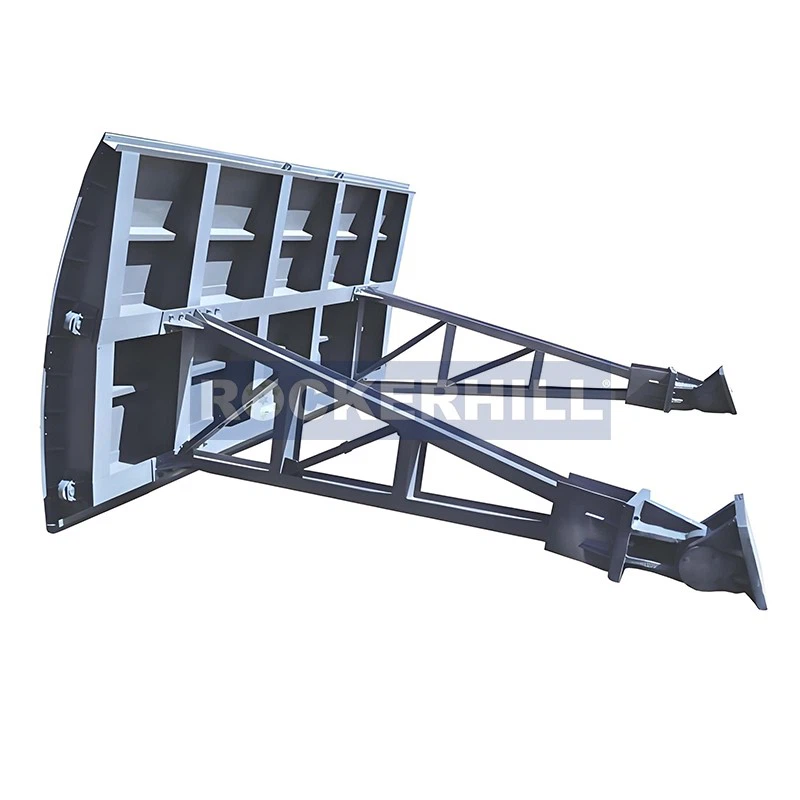
For example, if you're building a large - scale dam with multiple radial gates, the cost can quickly add up. The precision required in manufacturing the curved shape of the gate, along with the complex hinge and support systems, also drives up the price. And let's not forget about the cost of transportation. Radial gates are often large and heavy, so moving them from the manufacturing site to the installation site can be a logistical nightmare and an additional expense.
Maintenance Requirements
Radial gates demand regular and thorough maintenance. Over time, the metal parts of the gate can corrode, especially if they're constantly in contact with water. Corrosion weakens the structure and can lead to leaks or even failure of the gate. To prevent this, you need to perform regular inspections and apply protective coatings.
The hinge and support systems also need to be maintained. These components are under a lot of stress, and any wear and tear can affect the gate's operation. Lubrication of moving parts is essential to ensure smooth opening and closing. If the maintenance isn't done properly, it can lead to problems like jamming, which can be a major headache when you need to quickly adjust the water flow.
Moreover, maintenance often requires specialized equipment and trained personnel. You can't just have anyone work on a radial gate. This means additional costs for hiring experts and purchasing the necessary tools.
Limited Lifespan
Even with proper maintenance, radial gates have a limited lifespan. The constant exposure to water, weather conditions, and mechanical stress takes a toll on the gate. The materials gradually degrade, and the structural integrity of the gate weakens over time.
In some cases, a radial gate may need to be replaced after 30 - 50 years. This is a significant drawback, especially when you consider the high initial cost of the gate. You're essentially making a long - term investment that will eventually need to be repeated. And during the replacement process, there can be disruptions to the water management system, which can have far - reaching consequences for the surrounding area.
Environmental Impact
Radial gates can have a negative impact on the environment. When a gate is opened or closed, it can cause sudden changes in water flow. This can disrupt the natural habitat of fish and other aquatic organisms. For example, sudden releases of water can wash away fish eggs and fry, affecting the local fish population.
The construction of radial gates also often involves altering the natural landscape. Building dams and installing gates requires clearing land and disrupting ecosystems. This can lead to the loss of wildlife habitats and a decrease in biodiversity.
Operational Limitations
Radial gates have some operational limitations. They are designed to work within a certain range of water levels and flow rates. If the water conditions exceed these limits, the gate may not function properly.
For instance, during extreme floods, the high water pressure can put excessive stress on the gate. This can cause damage to the gate structure or prevent it from opening or closing as required. In some cases, the gate may even fail completely, leading to a loss of control over the water flow.
On the other hand, in low - flow conditions, the gate may not be able to provide precise control. The small amount of water may not generate enough force to operate the gate smoothly, resulting in inaccurate water level regulation.
Dependence on External Power
Most modern radial gates rely on external power sources to operate. This can be a problem in areas where power supply is unreliable. If there's a power outage, the gate may not be able to open or close. This can be a critical issue during emergencies, such as floods or when water needs to be released for irrigation.
Backup power systems can be installed, but they add to the cost and complexity of the gate system. And even with backup power, there's always a risk of mechanical failure in the power - transfer mechanisms.

Issues with Sediment Accumulation
Sediment accumulation is another problem associated with radial gates. Over time, sediment carried by the water can build up behind the gate. This can reduce the storage capacity of the reservoir and put additional stress on the gate structure.
The sediment can also interfere with the operation of the gate. It may get stuck in the hinge or support systems, preventing the gate from moving freely. Removing the accumulated sediment is a time - consuming and expensive process that requires specialized equipment.
Despite these disadvantages, radial gates still have their place in water management. They're a tried - and - true technology that has been used for many years. If you're considering using radial gates for your project, it's important to weigh these drawbacks against the benefits.
If you're in the market for radial gates, we're here to help. We offer Dam Radial Gate and Tainter Gate solutions that are designed to meet your specific needs. Our team of experts can work with you to understand your requirements and provide the best possible solution. Don't hesitate to reach out to us for more information and to start a procurement conversation.
References
- "Hydraulic Structures" by Chadwick, A., Morfett, J. C., & Borthwick, A. G. L.
- "Dams and Their Impact on the Environment" by World Commission on Dams.
- Industry reports on radial gate design and maintenance.




