


Hey there! As an air valve supplier, I've been in the game for quite a while, and I often get asked about the standards and regulations for air valves. So, I thought I'd put together this blog post to share some insights on this topic.
First off, why are standards and regulations so important for air valves? Well, they ensure that the air valves we supply are safe, reliable, and perform as expected. They also help maintain a level playing field in the market, so customers can trust that the products they're buying meet certain quality criteria.
Let's start with the international standards. One of the most well - known international standards for valves in general is ISO (International Organization for Standardization). ISO has a series of standards related to valves, which cover aspects like design, materials, testing, and marking. For air valves, ISO standards ensure that the valve's dimensions, pressure ratings, and flow characteristics are consistent across different manufacturers. This is crucial because it allows for easy interchangeability of parts and compatibility with different systems. For example, ISO 5208 specifies the requirements for the pressure testing of valves, which is essential to make sure that air valves can withstand the pressures they'll encounter in real - world applications.
In the United States, the American National Standards Institute (ANSI) and the American Society of Mechanical Engineers (ASME) play a big role in setting standards for air valves. ANSI and ASME standards are widely recognized and followed in the US and many other countries. ASME B16.34, for instance, covers the design, materials, and pressure - temperature ratings of valves. This standard helps ensure that air valves are designed to handle the specific pressures and temperatures they'll be exposed to in various industrial and commercial settings.
Another important aspect is the safety standards. The Occupational Safety and Health Administration (OSHA) in the US has regulations that are relevant to air valves, especially in industrial workplaces. OSHA standards are all about protecting workers from potential hazards. For air valves, this might include requirements for proper installation, maintenance, and labeling to prevent accidents such as leaks or sudden pressure releases.
Now, let's talk about some of the specific types of air valves and their associated standards.
Air Valve Design
When it comes to Air Valve Design, there are several factors that standards take into account. The design should ensure efficient air intake and release. For example, in water supply systems, air valves are used to remove air pockets that can cause problems like water hammer and reduced flow efficiency. Standards often specify the minimum and maximum flow rates that an air valve should be able to handle. They also dictate the shape and size of the valve's orifice, which affects how quickly air can enter or leave the system.
Air Solenoid Valve
Air Solenoid Valve standards focus on electrical safety and performance. These valves use an electromagnetic coil to control the flow of air. Standards require that the solenoid valves are properly insulated to prevent electrical shocks. They also set limits on the power consumption of the solenoid and the response time, which is how quickly the valve can open or close when an electrical signal is applied. This is important in applications where precise control of air flow is needed, like in pneumatic automation systems.
Air Relief Valve
Air Relief Valve standards are all about safety and pressure relief. These valves are designed to open automatically when the pressure in a system exceeds a certain set point. Standards specify the accuracy of the pressure setting, the flow capacity of the valve when it's open, and the reseating pressure (the pressure at which the valve closes again). In industrial processes, air relief valves are crucial for preventing over - pressurization, which can lead to equipment damage or even explosions.
In addition to these international and national standards, there are also industry - specific standards. For example, in the food and beverage industry, air valves need to meet strict hygiene standards. The valves should be made of materials that are non - toxic and easy to clean to prevent contamination of the products. In the pharmaceutical industry, air valves must comply with Good Manufacturing Practices (GMP), which ensure the quality and safety of the drugs being produced.

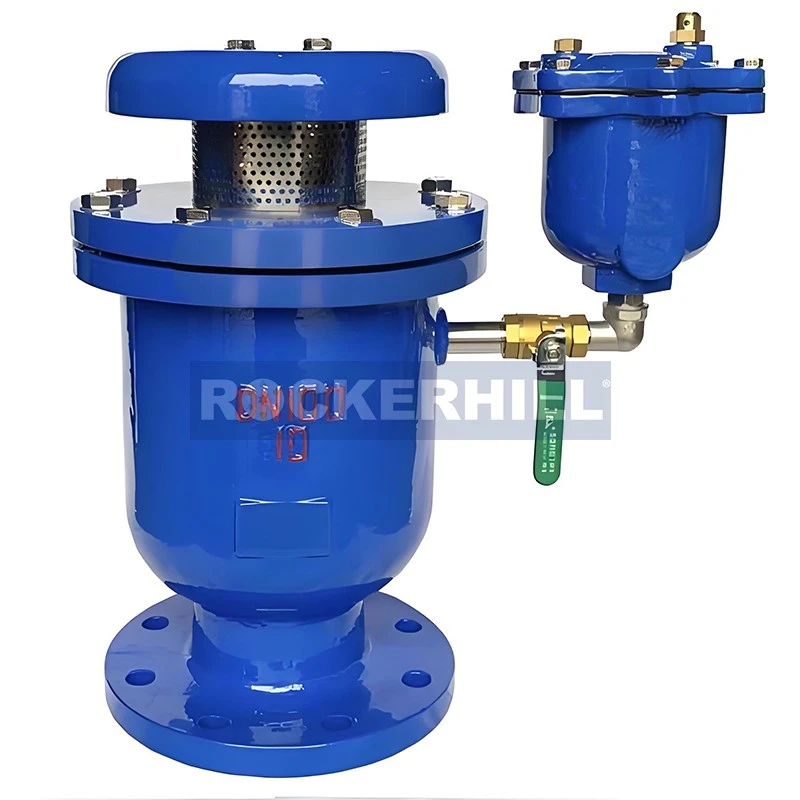
As an air valve supplier, I take these standards and regulations very seriously. We make sure that all our air valves are designed, manufactured, and tested in accordance with the relevant standards. This not only gives our customers peace of mind but also helps us stay competitive in the market.
If you're in the market for air valves, it's important to look for products that meet the appropriate standards. When you're evaluating different suppliers, ask about the standards their products comply with and request documentation to verify this. A reliable supplier should be able to provide you with certificates of compliance for international, national, and industry - specific standards.
We understand that every customer's needs are unique. Whether you're looking for a simple air valve for a small - scale project or a high - performance valve for a large industrial application, we've got you covered. Our team of experts can help you choose the right air valve based on your specific requirements, including the pressure, temperature, and flow conditions of your system.
If you're interested in learning more about our air valve products or have any questions about the standards and regulations, don't hesitate to reach out. We're here to assist you with all your air valve needs and can guide you through the procurement process. Contact us today to start a conversation about how we can provide you with the best air valve solutions for your project.
References
- ISO 5208:2015, "Industrial valves - Pressure testing of valves"
- ASME B16.34, "Valves - Flanged, Threaded, and Welded End"
- OSHA Regulations related to industrial valves and workplace safety
- Industry - specific standards from relevant associations in food, beverage, and pharmaceutical industries.




