


In the realm of industrial fluid filtration, filter skids play a pivotal role in ensuring the purity and quality of various fluids. However, one common and often troublesome issue that operators encounter is high pressure drop in a filter skid. As a reputable filter skid supplier, I've witnessed firsthand the challenges that high pressure drop can pose to industrial processes. In this blog, I'll delve into the various factors that can cause high pressure drop in a filter skid, explore their implications, and offer some insights on how to address them.
1. Filter Media Blockage
One of the most prevalent causes of high pressure drop in a filter skid is the blockage of the filter media. Over time, as the filter skid processes fluid, contaminants such as particles, debris, and sediment accumulate on the surface and within the pores of the filter media. This accumulation restricts the flow of fluid through the filter, leading to an increase in pressure drop.
The rate at which the filter media becomes blocked depends on several factors, including the quality and type of the filter media, the concentration and size distribution of the contaminants in the fluid, and the flow rate of the fluid. For instance, if the fluid being filtered contains a high concentration of fine particles, the filter media is likely to become blocked more quickly compared to a fluid with larger particles.
To mitigate the issue of filter media blockage, regular monitoring of the pressure drop across the filter skid is essential. Operators can use pressure gauges installed at the inlet and outlet of the filter skid to track the pressure drop. Once the pressure drop reaches a pre - determined limit, it's a sign that the filter media needs to be replaced or cleaned. Additionally, choosing the right filter media with appropriate pore size and filtration efficiency for the specific application can help reduce the frequency of blockages. You can learn more about the design considerations for filter media in Filter Skid Design.
2. Incorrect Filter Selection
Selecting the wrong filter for a particular application can also lead to high pressure drop. Filters come in a wide range of types, sizes, and filtration ratings, each designed to meet specific requirements. If a filter with a too - fine filtration rating is chosen for a fluid that doesn't require such a high level of filtration, it can cause unnecessary restriction of the fluid flow, resulting in high pressure drop.
Conversely, if a filter with a too - coarse filtration rating is selected for a fluid with a high concentration of fine contaminants, the filter may not be able to effectively capture the contaminants, leading to downstream contamination and potentially increased pressure drop due to the build - up of contaminants in other parts of the system.
As a filter skid supplier, we always emphasize the importance of proper filter selection based on factors such as the nature of the fluid, the size and concentration of contaminants, and the required flow rate. Our team of experts can assist customers in choosing the most suitable filters for their applications to ensure optimal performance and minimize pressure drop. For more information on different types of skid filters, visit Skid Filter.
3. Fluid Viscosity
The viscosity of the fluid being filtered is another significant factor that can affect the pressure drop in a filter skid. Viscosity is a measure of a fluid's resistance to flow. Fluids with high viscosity, such as heavy oils or syrups, flow more slowly and require more energy to pass through the filter media compared to low - viscosity fluids like water.
When the viscosity of the fluid is high, the pressure drop across the filter skid will naturally be higher. This is because the filter media offers more resistance to the flow of the viscous fluid. Temperature can also have a significant impact on fluid viscosity. In general, as the temperature of a fluid decreases, its viscosity increases. So, operating a filter skid with a high - viscosity fluid at low temperatures can exacerbate the problem of high pressure drop.
To address the issue of high pressure drop caused by fluid viscosity, operators can consider heating the fluid to reduce its viscosity before it enters the filter skid. However, this approach needs to be carefully evaluated as it may not be suitable for all types of fluids, especially those that are sensitive to temperature changes.
4. Flow Rate Exceeding Design Capacity
If the flow rate of the fluid through the filter skid exceeds its design capacity, it can lead to high pressure drop. Filter skids are designed to operate within a specific range of flow rates. When the flow rate is too high, the fluid may not have enough time to pass through the filter media evenly, causing some areas of the filter to become overloaded with contaminants while other areas remain underutilized.
This uneven distribution of the fluid flow can result in a significant increase in pressure drop. Additionally, high flow rates can cause mechanical stress on the filter media, potentially leading to damage and further increasing the pressure drop.
To avoid this problem, it's crucial to ensure that the flow rate of the fluid is within the design capacity of the filter skid. Operators can use flow control valves to regulate the flow rate and prevent it from exceeding the recommended limits.
5. Compaction of Filter Media
Over time, the filter media in a filter skid can become compacted due to the pressure exerted by the fluid flow and the weight of the accumulated contaminants. Compaction reduces the porosity of the filter media, making it more difficult for the fluid to pass through. As a result, the pressure drop across the filter skid increases.
The degree of compaction depends on factors such as the type of filter media, the pressure differential across the filter, and the duration of operation. Some types of filter media are more prone to compaction than others. For example, fibrous filter media may be more likely to compact compared to rigid filter media.
To prevent or reduce the compaction of filter media, operators can use filters with a more rigid structure or consider using support layers within the filter to help maintain the integrity of the filter media. Regular replacement of the filter media can also help prevent excessive compaction.
6. Contaminant Characteristics
The characteristics of the contaminants in the fluid can also influence the pressure drop in a filter skid. For example, if the contaminants are sticky or gelatinous, they are more likely to adhere to the filter media, causing blockages and increasing the pressure drop more rapidly compared to non - sticky contaminants.
The shape and size distribution of the contaminants can also play a role. Contaminants with irregular shapes may be more difficult to capture and may cause more significant blockages in the filter media compared to spherical contaminants. Additionally, a wide size distribution of contaminants can make it challenging to select a single filter media that can effectively capture all the contaminants, potentially leading to increased pressure drop.
Understanding the characteristics of the contaminants in the fluid is crucial for selecting the appropriate filter media and developing effective filtration strategies. Our team at Skid Filter can provide guidance on how to deal with different types of contaminants to minimize pressure drop.
Implications of High Pressure Drop
High pressure drop in a filter skid can have several negative implications for industrial processes. Firstly, it can increase the energy consumption of the system. As the pressure drop increases, more energy is required to pump the fluid through the filter skid, leading to higher operating costs.
Secondly, high pressure drop can reduce the overall efficiency of the filtration process. If the pressure drop is too high, the flow rate of the fluid may be significantly reduced, which can affect the productivity of the industrial process. In some cases, high pressure drop can even cause the filter skid to malfunction, leading to downtime and potential damage to other components of the system.

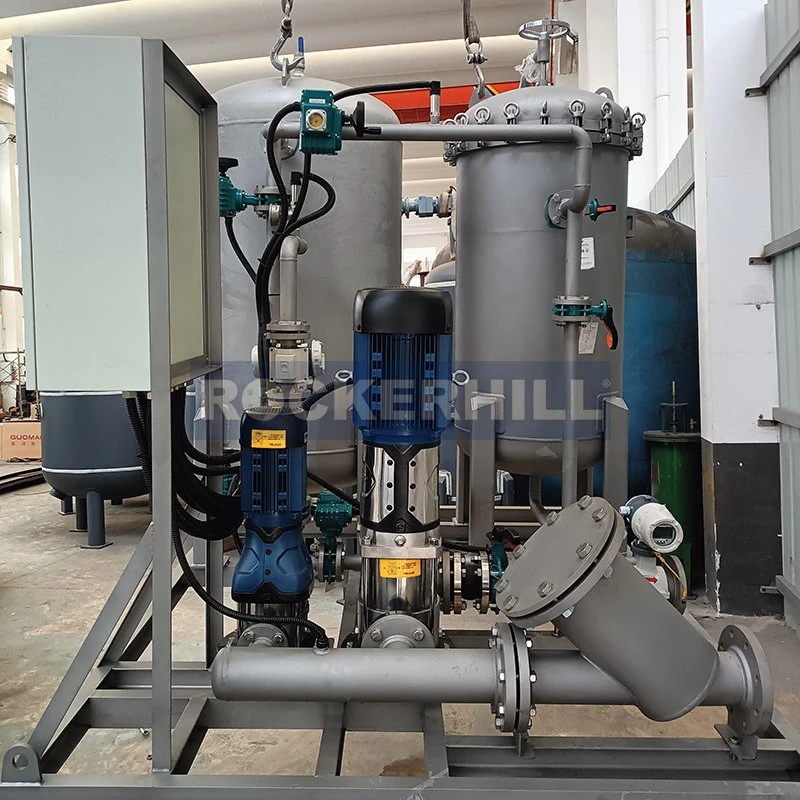
Addressing High Pressure Drop
To address the issue of high pressure drop in a filter skid, a comprehensive approach is required. This includes regular monitoring of the pressure drop, proper filter selection, maintenance of the filter skid, and optimization of the operating conditions.
As a filter skid supplier, we offer a range of high - quality filter skids and filters designed to minimize pressure drop and ensure reliable operation. Our team of experts can provide technical support and advice on filter selection, installation, and maintenance. If you're experiencing high pressure drop in your filter skid or need assistance with filter skid selection, we encourage you to reach out to us for a consultation. We're committed to helping you find the best filtration solutions for your specific needs.
References
- "Filtration Handbook" by Christopher D. Metzger
- "Industrial Filtration Technology" by Peter A. Schweitzer




