


When it comes to industrial operations, especially those involving fluid management and purification, the selection of a filter skid is a critical decision that can significantly impact the efficiency, reliability, and cost - effectiveness of the entire process. As a seasoned filter skid supplier, I have witnessed firsthand the importance of making an informed choice. In this blog, I will outline the key factors that should be considered when selecting a filter skid.
1. Flow Rate Requirements
One of the primary considerations when choosing a filter skid is the required flow rate. The flow rate is the volume of fluid that needs to pass through the filter skid per unit of time, typically measured in gallons per minute (GPM) or cubic meters per hour (m³/h). Understanding the flow rate requirements is crucial because it directly affects the size and capacity of the filter skid.
If the flow rate is underestimated, the filter skid may not be able to handle the volume of fluid, leading to reduced efficiency and potential system failures. On the other hand, overestimating the flow rate can result in an oversized and more expensive filter skid. To accurately determine the flow rate, it is essential to analyze the process requirements, including the maximum and minimum flow rates, as well as any fluctuations that may occur. For instance, in a water treatment plant, the flow rate may vary depending on the time of day or the demand from different users.
2. Filtration Efficiency
Filtration efficiency is another vital factor. It refers to the ability of the filter skid to remove contaminants from the fluid. The level of filtration required depends on the specific application. For example, in a pharmaceutical manufacturing process, a high - level of filtration is necessary to ensure the purity of the final product. In contrast, a less stringent filtration level may be acceptable for some industrial cooling water systems.
The filtration efficiency is often measured by the micron rating, which indicates the size of the particles that the filter can effectively remove. A lower micron rating means finer filtration. When selecting a filter skid, it is important to choose a micron rating that meets the specific needs of the application. Additionally, consider the filter media used in the skid. Different filter media, such as activated carbon, sand, or membrane filters, have different filtration capabilities and are suitable for different types of contaminants. You can learn more about different filtration options at Skid Filter.
3. Contaminant Type and Concentration
Knowing the type and concentration of contaminants in the fluid is essential for proper filter skid selection. Contaminants can be solids, liquids, or gases, and they can vary widely in size, shape, and chemical composition. For example, in an oil and gas production process, the fluid may contain sand, rust, and various chemicals. In a wastewater treatment plant, the contaminants may include organic matter, heavy metals, and bacteria.
The concentration of contaminants also plays a role. High - concentration contaminants may require a more robust filter skid with a larger filter area or a more advanced filtration technology. In some cases, multiple filtration stages may be necessary to achieve the desired level of purification. For instance, a pre - filter can be used to remove large particles, followed by a finer filter to remove smaller contaminants.
4. Operating Pressure and Temperature
The operating pressure and temperature of the fluid are important considerations. The filter skid must be able to withstand the pressure and temperature conditions of the application. High - pressure applications, such as in hydraulic systems, require filter skids that are designed to handle the stress. Similarly, high - temperature applications, like in some chemical processing plants, need filter skids made from materials that can resist heat.
Exceeding the recommended pressure or temperature limits can cause the filter skid to fail, leading to leaks, reduced filtration efficiency, or even safety hazards. When specifying a filter skid, ensure that the design and materials are appropriate for the expected operating conditions.
5. Maintenance Requirements
Maintenance is an ongoing aspect of filter skid operation. Regular maintenance is necessary to ensure the continued performance and longevity of the filter skid. Consider the ease of maintenance when selecting a filter skid. A filter skid with easy - to - access filters and components will reduce downtime and maintenance costs.
Some filter skids are designed for self - cleaning, which can significantly reduce the need for manual intervention. For example, back - washing filter skids use reverse flow to remove accumulated contaminants from the filter media. Understanding the maintenance requirements, including the frequency of filter replacement, cleaning procedures, and the availability of replacement parts, is crucial for a smooth - running operation.

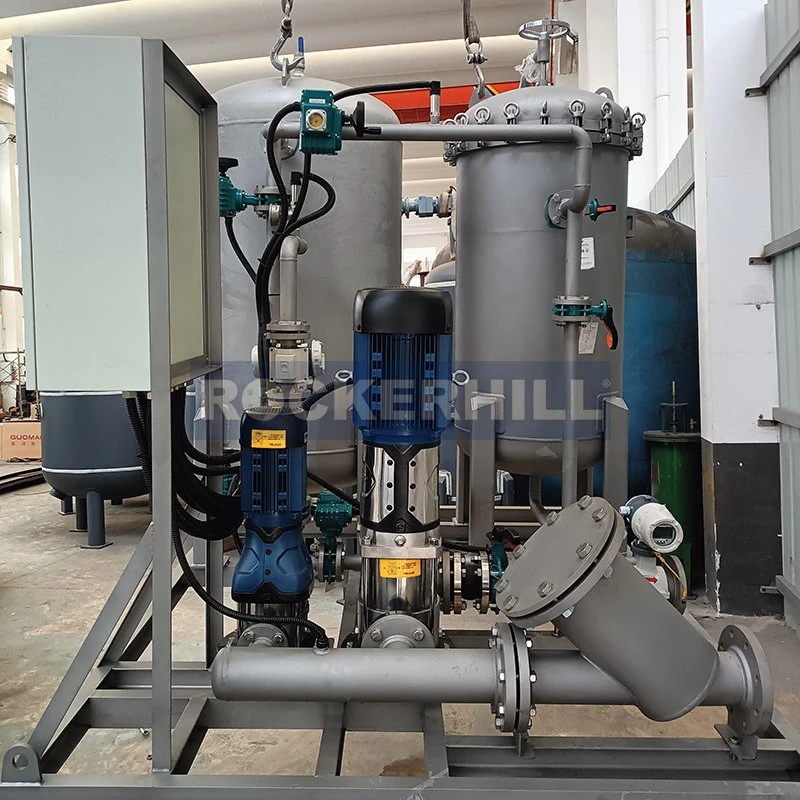
6. Space Constraints
Space is often a limiting factor in industrial facilities. The physical size of the filter skid must fit within the available space. Compact filter skids are ideal for applications where space is limited, such as in offshore platforms or small - scale manufacturing plants.
When evaluating filter skids, consider not only the footprint but also the height and any clearance requirements for installation and maintenance. Some filter skids can be customized to fit specific space constraints, which can be a valuable option for many customers.
7. Cost
Cost is always a consideration in any purchasing decision. When selecting a filter skid, it is important to consider both the initial purchase price and the long - term operating costs. The initial cost includes the price of the filter skid itself, as well as any installation and commissioning expenses.
The long - term operating costs include energy consumption, filter replacement costs, and maintenance expenses. A more expensive filter skid may have a higher initial cost but lower operating costs over its lifespan. For example, a high - efficiency filter skid may consume less energy and require less frequent filter replacements, resulting in cost savings in the long run.
8. Compatibility with Existing Systems
If the filter skid is to be integrated into an existing system, compatibility is a key factor. The filter skid must be compatible with the piping, valves, pumps, and other components of the existing system. This includes considerations such as pipe size, connection type, and control system compatibility.
Incompatible components can lead to installation difficulties, leaks, and reduced system performance. When selecting a filter skid, work closely with the supplier to ensure that it can be seamlessly integrated into the existing infrastructure. You can find more information on how to ensure compatibility in Filter Skid Design.
9. Regulatory Compliance
Many industries are subject to strict regulations regarding fluid quality and environmental protection. The filter skid must comply with relevant industry standards and regulations. For example, in the food and beverage industry, the filter skid must meet hygiene and safety standards. In wastewater treatment, it must comply with environmental regulations regarding the discharge of treated water.
Failure to comply with regulations can result in fines, legal issues, and damage to the company's reputation. When selecting a filter skid, ensure that it is designed and manufactured to meet all applicable regulatory requirements.
10. Supplier Reputation and Support
Finally, the reputation and support of the filter skid supplier are important. A reliable supplier with a good track record can provide high - quality products and excellent customer service. Look for a supplier that has experience in the industry and can offer technical support, training, and after - sales service.
A reputable supplier will also be able to provide references and case studies to demonstrate the performance of their filter skids in similar applications. Additionally, they can offer customization options to meet the specific needs of the customer.
In conclusion, selecting the right filter skid is a complex process that requires careful consideration of multiple factors. By taking into account flow rate requirements, filtration efficiency, contaminant type and concentration, operating pressure and temperature, maintenance requirements, space constraints, cost, compatibility with existing systems, regulatory compliance, and the supplier's reputation and support, you can make an informed decision that will ensure the optimal performance of your industrial process.
If you are in the market for a filter skid and need further assistance or have any questions, I encourage you to reach out to discuss your specific requirements. Our team of experts is ready to help you find the perfect filter skid solution for your application.
References
- "Industrial Filtration Handbook" by Peter A. Schweitzer
- "Filtration and Separation Technology" by Klaus - Jürgen Ives
- Various industry standards and guidelines related to fluid filtration and purification.




