


Hey there! As a gate valve supplier, I've seen my fair share of issues with these valves over the years. One problem that comes up quite often is cavitation. So, what exactly is the cavitation problem in a gate valve? Let's dive in and take a closer look.
What is Cavitation?
First things first, let's understand what cavitation is. Cavitation occurs when the pressure of a liquid drops below its vapor pressure, causing vapor bubbles to form. These bubbles then collapse when they move into an area of higher pressure. This rapid formation and collapse of bubbles can cause a whole bunch of problems, especially in gate valves.
In a gate valve, the flow of fluid is controlled by a gate that moves up and down. When the valve is partially open, the fluid velocity increases, and the pressure drops. If the pressure drops below the vapor pressure of the fluid, cavitation can occur.
The Effects of Cavitation in Gate Valves
Cavitation in gate valves can have several negative effects. One of the most obvious is damage to the valve components. The collapse of the vapor bubbles creates high - energy shockwaves. These shockwaves can erode the valve seat, the gate, and other internal parts of the valve. Over time, this erosion can lead to leaks, reduced valve performance, and even complete valve failure.
Another effect is noise and vibration. The rapid formation and collapse of bubbles generate a lot of noise, which can be quite annoying in industrial settings. The vibrations caused by cavitation can also loosen valve connections and other components, leading to further problems down the line.

Factors Contributing to Cavitation in Gate Valves
There are several factors that can contribute to cavitation in gate valves. One of the main factors is the operating conditions. If the valve is frequently operated in a partially open position, the fluid velocity will be high, and the pressure drop will be significant. This increases the likelihood of cavitation.
The type of fluid being handled also plays a role. Fluids with low vapor pressures are more prone to cavitation. For example, water has a relatively low vapor pressure compared to some other liquids, so gate valves used in water systems are more likely to experience cavitation.
The design of the gate valve itself can also contribute to cavitation. Valves with poor flow paths or sharp edges can cause uneven flow and pressure drops, increasing the risk of cavitation.
How to Prevent Cavitation in Gate Valves
As a gate valve supplier, I'm always looking for ways to help my customers prevent cavitation. One of the simplest ways is to avoid operating the valve in a partially open position for extended periods. If possible, the valve should be fully open or fully closed.
Proper valve sizing is also crucial. A valve that is too small for the flow rate will cause high fluid velocities and pressure drops, increasing the risk of cavitation. On the other hand, a valve that is too large may not be able to control the flow effectively.
Using valves with smooth flow paths and rounded edges can also help reduce the risk of cavitation. These designs promote more even flow and reduce pressure drops.
There are also some advanced solutions available. For example, some gate valves are designed with anti - cavitation trims. These trims help to control the flow and pressure distribution, reducing the likelihood of cavitation.
Types of Gate Valves and Cavitation
Let's take a look at some different types of gate valves and how they relate to cavitation.
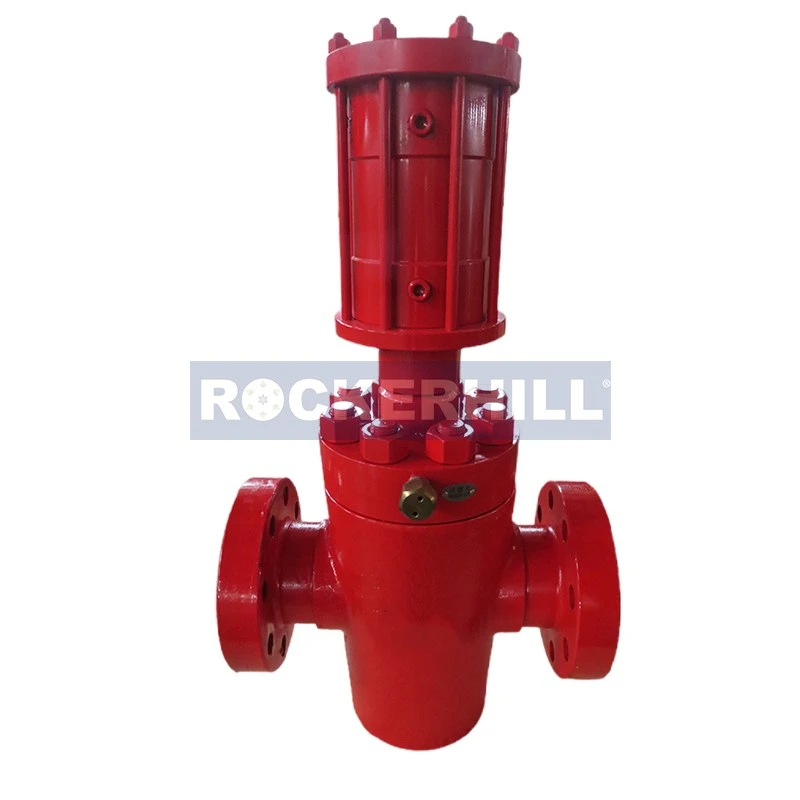
- Pneumatic Gate Valve: Pneumatic Gate Valve are operated by compressed air. They are often used in applications where quick and reliable operation is required. However, like any other gate valve, they can be prone to cavitation if not properly designed or operated. The key is to ensure that the pneumatic actuator can open and close the valve quickly to avoid long periods of partial opening.
- Knife Gate Valve: Knife Gate Valve are designed to handle slurries and other difficult - to - control fluids. These valves have a sharp - edged gate that can cut through solids. Cavitation in knife gate valves can be particularly problematic as the erosion can damage the sharp edge of the gate, reducing its ability to cut through solids. Proper material selection and flow control are essential to prevent cavitation in these valves.
- Hydraulic Gate Valve: Hydraulic Gate Valve are powered by hydraulic fluid. They are commonly used in high - pressure applications. The high pressures in these applications can increase the risk of cavitation. To prevent cavitation, hydraulic gate valves need to be carefully designed with proper flow control and pressure - relief mechanisms.
Conclusion
Cavitation is a serious problem in gate valves that can lead to damage, reduced performance, and increased maintenance costs. As a gate valve supplier, I understand the importance of helping my customers prevent this issue. By understanding the causes and effects of cavitation, and by taking appropriate preventive measures, we can ensure that gate valves operate efficiently and reliably.
If you're in the market for gate valves or need help with cavitation prevention, don't hesitate to reach out. I'm here to provide you with the best solutions for your specific needs. Whether it's choosing the right type of valve, proper sizing, or implementing anti - cavitation measures, I've got you covered. Let's work together to keep your operations running smoothly.
References
- "Valve Handbook" by Milton Beychok
- "Fluid Mechanics" by Frank White




