


When it comes to fluid control in various industrial applications, gate valves and globe valves are two commonly used types of valves. As a gate valve supplier, I often encounter questions from customers about the differences between these two valve types. In this blog post, I will delve into the key differences between gate valves and globe valves, including their design, operation, performance, and applications.
Design
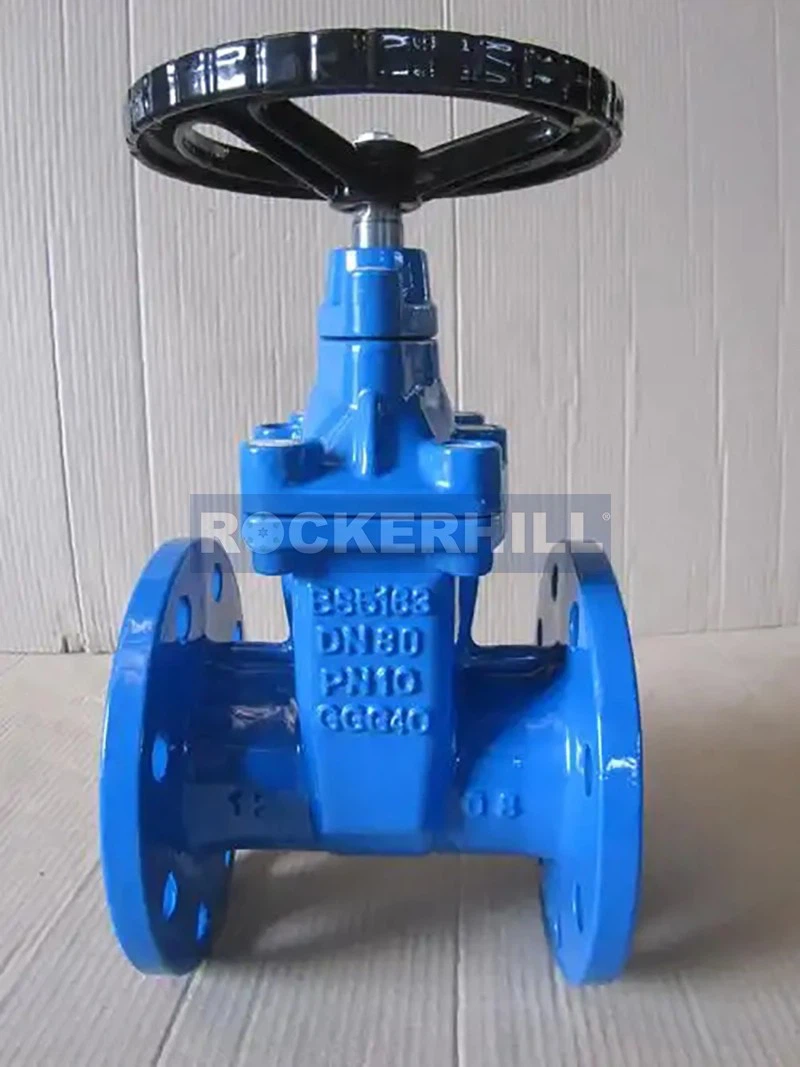
The most obvious difference between gate valves and globe valves lies in their design. A gate valve consists of a gate, which is a flat or wedge-shaped disc that moves perpendicular to the flow direction to open or close the valve. The gate is typically connected to a stem, which is turned by a handwheel or an actuator to raise or lower the gate. When the gate is fully raised, the valve is open, allowing fluid to flow freely through the pipeline. When the gate is fully lowered, the valve is closed, blocking the flow of fluid.
On the other hand, a globe valve has a spherical body with a movable disc that is perpendicular to the flow path. The disc is connected to a stem, which is also turned by a handwheel or an actuator to move the disc up or down. When the disc is lifted off the seat, the valve is open, and fluid can flow through the valve. When the disc is pressed against the seat, the valve is closed, preventing the flow of fluid.
Operation
The operation of gate valves and globe valves also differs significantly. Gate valves are designed for on-off service, meaning they are typically used to either fully open or fully close a pipeline. They are not suitable for throttling applications because the gate can cause significant turbulence and pressure drop when it is partially open. When a gate valve is opened or closed, the gate moves quickly through the flow path, which can cause water hammer and other problems if not properly controlled.
In contrast, globe valves are well-suited for throttling applications. The movable disc in a globe valve can be adjusted to control the flow rate and pressure of the fluid. By partially closing the valve, the flow area is reduced, which increases the velocity of the fluid and allows for precise control of the flow. However, globe valves have a higher pressure drop compared to gate valves, especially when fully open, due to the more complex flow path.

Performance
The performance characteristics of gate valves and globe valves vary depending on their design and application. Gate valves offer low resistance to flow when fully open, which results in a minimal pressure drop across the valve. This makes them ideal for applications where a high flow rate is required, such as in large pipelines and main water supply systems. Gate valves also have a tight shut-off capability, which means they can effectively prevent leakage when closed.
Globe valves, on the other hand, provide better flow control and regulation. They can be used to fine-tune the flow rate and pressure of the fluid, making them suitable for applications where precise control is necessary, such as in chemical processing plants, power generation facilities, and HVAC systems. However, the higher pressure drop across globe valves can result in increased energy consumption and operating costs.
Applications
The choice between a gate valve and a globe valve depends on the specific requirements of the application. Gate valves are commonly used in applications where a full flow capacity is needed and where the valve is operated infrequently. Some typical applications of gate valves include:
- Water supply and distribution systems: Gate valves are used to control the flow of water in large pipelines and main water supply lines.
- Oil and gas pipelines: Gate valves are used to isolate sections of pipelines during maintenance and repair operations.
- Industrial processes: Gate valves are used in various industrial processes, such as in chemical plants, refineries, and power generation facilities, to control the flow of fluids.
Globe valves, on the other hand, are widely used in applications where flow control and regulation are critical. Some common applications of globe valves include:
- Chemical processing: Globe valves are used to control the flow of chemicals in chemical processing plants, ensuring precise dosing and mixing.
- Power generation: Globe valves are used in power plants to control the flow of steam, water, and other fluids in boilers, turbines, and condensers.
- HVAC systems: Globe valves are used in heating, ventilation, and air conditioning systems to control the flow of hot and cold water, ensuring proper temperature regulation.
Types of Gate Valves
As a gate valve supplier, I offer a wide range of gate valves to meet the diverse needs of my customers. Some of the common types of gate valves include:
- Hydraulic Gate Valve: Hydraulic gate valves are operated by hydraulic actuators, which provide a high level of force and control. They are commonly used in applications where a large gate or a high operating pressure is required.
- Pneumatic Gate Valve: Pneumatic gate valves are powered by compressed air, which makes them suitable for applications where electricity is not available or where a fast-acting valve is needed.
- Sluice Gate Valve: Sluice gate valves are typically used in water treatment plants, irrigation systems, and flood control applications. They have a large opening and are designed to handle high flow rates.
Conclusion
In summary, gate valves and globe valves are two distinct types of valves with different design, operation, performance, and applications. Gate valves are ideal for on-off service and applications where a high flow rate is required, while globe valves are better suited for throttling applications and where precise flow control is necessary. As a gate valve supplier, I can provide you with the right valve solution for your specific needs. Whether you need a hydraulic gate valve, a pneumatic gate valve, or a sluice gate valve, I have the expertise and experience to help you make the best choice.
If you are interested in purchasing gate valves or have any questions about valve selection and application, please feel free to contact me. I look forward to discussing your requirements and providing you with a customized solution.
References
- "Valve Handbook," 4th Edition, by J. S. Kehl.
- "Control Valve Engineering," 3rd Edition, by William L. Wadell.
- "Piping and Pipeline Engineering: Design, Construction, Maintenance, Integrity, and Repair," by George A. Antaki.




