


Hey there! As a ball valve supplier, I've been getting a lot of questions lately about fire-safe design in ball valves. So, I thought I'd take a moment to break it down for you.
What's the Big Deal with Fire-Safe Design?
First off, why do we even need fire-safe ball valves? Well, in industries like oil and gas, chemical processing, and power generation, there's always a risk of fire. When a fire breaks out, the last thing you want is for your valves to fail. A fire-safe ball valve is designed to maintain its functionality and prevent the spread of fire and hazardous substances even under extreme heat conditions.
Key Elements of Fire-Safe Design
Sealing Materials
One of the most critical aspects of fire-safe design is the choice of sealing materials. In normal operating conditions, ball valves use soft seals, like PTFE (polytetrafluoroethylene), which provide excellent sealing performance and low friction. However, these soft seals can melt or degrade in high-temperature environments.
That's where metal seals come in. In a fire-safe ball valve, there are usually secondary metal seals that kick in when the soft seals fail due to heat. These metal seals can withstand the high temperatures of a fire and continue to provide a reliable seal, preventing the leakage of flammable fluids.
Fire-Resistant Construction
The construction of the ball valve itself also plays a crucial role in fire safety. The valve body and other components are often made from materials that have good fire-resistant properties, such as stainless steel or carbon steel. These materials can withstand the heat of a fire without losing their structural integrity.
In addition, the valve is designed to have a certain level of insulation. This helps to protect the internal components from the extreme heat and reduces the risk of the valve failing due to thermal expansion or other heat-related issues.
Testing and Certification
To ensure that a ball valve meets the fire-safe standards, it has to go through rigorous testing. There are several international standards, such as API 607 and API 6FA, that define the requirements for fire-safe valves.

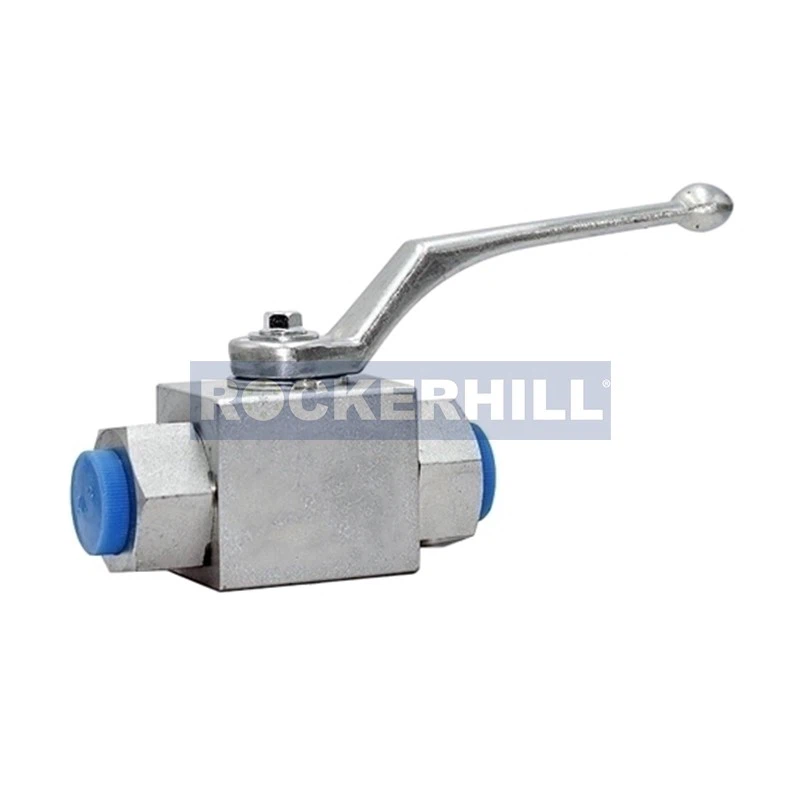
During the testing, the valve is subjected to a simulated fire environment, where it is exposed to high temperatures for a specified period of time. The valve is then checked for leakage and other performance indicators. If it passes the test, it can be certified as fire-safe.
Types of Ball Valves and Fire-Safe Design
Electric Actuated Ball Valve
An Electric Actuated Ball Valve is a popular choice in many industrial applications. When it comes to fire-safe design, the electric actuator needs to be protected from the heat as well. Special enclosures and insulation can be used to shield the actuator from the fire.
The valve itself also needs to have the proper fire-safe features, such as metal seals and fire-resistant construction. In case of a fire, the electric actuator should be able to maintain its functionality long enough to close the valve and prevent the spread of the fire.
Pneumatic Ball Valve
Pneumatic Ball Valves are another common type of ball valve. Similar to electric actuated valves, pneumatic ball valves need to have fire-safe features in their design.
The pneumatic actuator is usually protected by a fire-resistant cover. The valve body and seals are designed to withstand high temperatures. In a fire situation, the pneumatic system should be able to operate the valve to close it and isolate the flammable fluids.
Hydraulic Ball Valve
Hydraulic Ball Valves are often used in applications where high pressure and large flow rates are involved. Fire-safe design for hydraulic ball valves is crucial to prevent the leakage of hydraulic fluid, which can be highly flammable.
The hydraulic system needs to be designed to be fire-resistant. The valve itself should have reliable metal seals and a strong fire-resistant body. In case of a fire, the hydraulic ball valve should be able to close quickly and prevent the spread of the fire through the hydraulic lines.
Benefits of Using Fire-Safe Ball Valves
Safety
The most obvious benefit of using fire-safe ball valves is safety. In industries where there's a high risk of fire, these valves can help to prevent the spread of fire and protect the lives of workers and the environment.
Compliance
Many industries are subject to strict safety regulations. Using fire-safe ball valves can help companies to comply with these regulations and avoid potential fines and legal issues.
Reliability
Fire-safe ball valves are designed to be more reliable in extreme conditions. They can continue to operate even in the event of a fire, which means less downtime and fewer disruptions to the production process.
How to Choose the Right Fire-Safe Ball Valve
Application Requirements
The first step in choosing the right fire-safe ball valve is to understand the specific requirements of your application. Consider factors such as the type of fluid being handled, the pressure and temperature conditions, and the flow rate.
For example, if you're dealing with highly flammable fluids, you'll need a ball valve with a higher level of fire protection. If the application involves high pressures, you'll need a valve that can withstand the pressure without failing.
Certification
Make sure that the ball valve you choose is certified to meet the relevant fire-safe standards, such as API 607 or API 6FA. This certification ensures that the valve has been tested and proven to perform in a fire situation.
Supplier Reputation
As a ball valve supplier, I know how important it is to choose a reliable supplier. Look for a supplier with a good reputation for quality and customer service. A reputable supplier will be able to provide you with the right advice and support to help you choose the best fire-safe ball valve for your needs.
Conclusion
Fire-safe design is an essential aspect of ball valves, especially in industries where fire safety is a top priority. By understanding the key elements of fire-safe design, the different types of ball valves available, and how to choose the right one, you can ensure that your operations are safe and compliant.
If you're in the market for fire-safe ball valves, whether it's an Electric Actuated Ball Valve, a Pneumatic Ball Valve, or a Hydraulic Ball Valve, don't hesitate to reach out. We're here to help you find the perfect solution for your specific requirements. Let's have a chat about your needs and see how we can work together to keep your operations safe and efficient.
References
- American Petroleum Institute (API). API 607 - Fire Test Standard for Quarter-Turn Valves and Ball Valves.
- American Petroleum Institute (API). API 6FA - Specification for Fire Test for Valves.




