


In the dynamic landscape of seafood processing plants, every piece of equipment plays a crucial role in ensuring efficiency, quality, and sustainability. Among these essential components, the bar screen stands out as a fundamental yet often underappreciated asset. As a leading bar screen supplier, I've witnessed firsthand the transformative impact that a well - designed bar screen can have on a seafood processing operation. In this blog, I'll delve into the multifaceted role of a bar screen in a seafood processing plant and why it's a key investment for any facility.
Initial Solid Separation
The primary function of a bar screen in a seafood processing plant is to perform the initial separation of solid materials from the process water. Seafood processing generates a significant amount of waste, including fish scales, bones, shells, and pieces of unwanted tissue. If these solids are allowed to enter the downstream processing equipment, they can cause blockages, damage pumps and valves, and reduce the overall efficiency of the plant.
A bar screen acts as the first line of defense, capturing large and medium - sized solids as the process water flows through it. The bars of the screen are spaced at a specific interval, typically ranging from a few millimeters to several centimeters, depending on the size of the solids to be removed. This simple yet effective design allows water to pass through while retaining the solids on the screen surface.
For example, in a shrimp processing plant, the bar screen can effectively remove shrimp shells and heads, preventing them from clogging the pipes and filters in the subsequent processing steps. Similarly, in a fish filleting facility, it can catch fish bones and scales, ensuring that the water used for washing and processing remains relatively clean.
Protecting Downstream Equipment
By removing large solids at the beginning of the process, bar screens significantly extend the lifespan and improve the performance of downstream equipment. Pumps, for instance, are highly susceptible to damage from solid particles. When solids enter a pump, they can cause abrasion, corrosion, and mechanical failure, leading to costly repairs and downtime. A bar screen reduces the risk of such issues by preventing large debris from reaching the pumps.
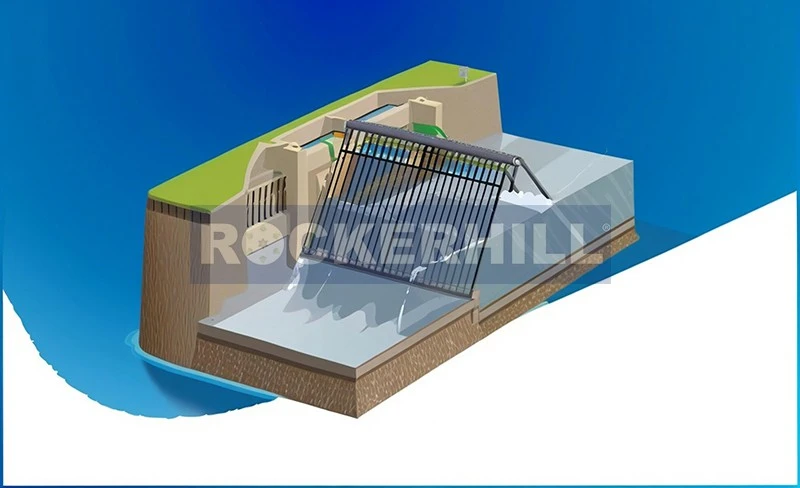

Valves and pipes are also protected by bar screens. Solid materials can accumulate in valves, causing them to malfunction or become stuck. In pipes, solids can cause blockages, reducing the flow rate and increasing the pressure within the system. This can lead to leaks, bursts, and other serious problems. A well - functioning bar screen helps maintain the integrity of the entire piping network by keeping it free from large obstructions.
Improving Water Quality
In addition to protecting equipment, bar screens contribute to improving the overall water quality in a seafood processing plant. Clean water is essential for maintaining the quality and safety of the processed seafood. By removing solids, bar screens reduce the organic load in the process water, which in turn helps prevent the growth of bacteria and other microorganisms.
Furthermore, cleaner water is more efficient to treat in the subsequent wastewater treatment stages. The less solid material present in the water, the less energy and chemicals are required to achieve the desired water quality standards. This not only reduces the environmental impact of the plant but also lowers the operating costs associated with wastewater treatment.
Types of Bar Screens for Seafood Processing
There are several types of bar screens available for seafood processing plants, each with its own advantages and applications.
Manual Bar Screens
Manual bar screens are the simplest and most cost - effective option. They consist of a series of parallel bars that are manually cleaned at regular intervals. These screens are suitable for small - scale seafood processing plants or applications where the volume of solids is relatively low. However, they require frequent manual labor, which can be time - consuming and labor - intensive.
Mechanical Bar Screens
Mechanical Bar Screen offer a more automated solution. They are equipped with a mechanism, such as a rake or a brush, that continuously or periodically removes the solids from the screen surface. This reduces the need for manual cleaning and ensures a more consistent level of performance. Mechanical bar screens are ideal for large - scale seafood processing plants with high volumes of solid waste.
Fine Bar Screens
Fine bar screens have a smaller bar spacing compared to standard bar screens. They are designed to remove smaller solid particles, such as fish eggs and small pieces of tissue. Fine bar screens are often used in combination with coarser bar screens to provide a more comprehensive solid separation solution.
Bar Screen Design Considerations
The effectiveness of a bar screen depends largely on its design. Bar Screen Design involves several key factors that need to be carefully considered to ensure optimal performance in a seafood processing plant.
Bar Spacing
As mentioned earlier, the bar spacing is a critical parameter. It should be selected based on the size of the solids to be removed. If the bar spacing is too large, some solids may pass through the screen, defeating its purpose. On the other hand, if the bar spacing is too small, the screen may become clogged more easily, reducing the flow rate of water.
Screen Material
The material of the bar screen is also important. It should be corrosion - resistant, as the process water in a seafood processing plant often contains salt and other corrosive substances. Stainless steel is a popular choice for bar screens due to its high corrosion resistance and durability.
Screen Angle
The angle at which the bar screen is installed can affect its performance. A steeper angle can help prevent solids from accumulating on the screen surface, while a shallower angle may be more suitable for applications where a slower flow rate is required.
Maintenance of Bar Screens
Proper maintenance is essential to ensure the long - term performance of bar screens in a seafood processing plant. Regular cleaning is necessary to prevent the buildup of solids on the screen surface, which can reduce the flow rate and efficiency of the screen. For manual bar screens, this involves physically removing the solids from the bars. For mechanical bar screens, the cleaning mechanism should be inspected and maintained regularly to ensure it is functioning properly.
In addition to cleaning, the bar screen should be inspected for any signs of damage or wear. Corroded bars, loose connections, or malfunctioning cleaning mechanisms should be repaired or replaced promptly to prevent further issues.
Conclusion
In conclusion, the bar screen plays a vital role in a seafood processing plant. It serves as an essential tool for solid separation, protecting downstream equipment, improving water quality, and ensuring the overall efficiency and sustainability of the processing operation. As a bar screen supplier, I understand the unique requirements of seafood processing plants and can provide customized solutions to meet your specific needs.
If you're looking to enhance the performance of your seafood processing plant or are in the market for a reliable bar screen, I encourage you to reach out for a consultation. Our team of experts is ready to discuss your requirements and help you find the perfect bar screen solution for your facility. Let's work together to take your seafood processing operation to the next level.
References
- Seafood Processing Handbook: A Comprehensive Guide to Best Practices and Technologies.
- Journal of Seafood Science and Technology, various issues related to processing equipment.
- Industry reports on seafood processing plant efficiency and equipment selection.




