


As a filter skid supplier, I've witnessed firsthand the critical role that level sensors play in the efficient and reliable operation of filter skids. In this blog post, I'll delve into the significance of level sensors in filter skids, exploring their functions, benefits, and the impact they have on overall system performance.
Understanding Filter Skids
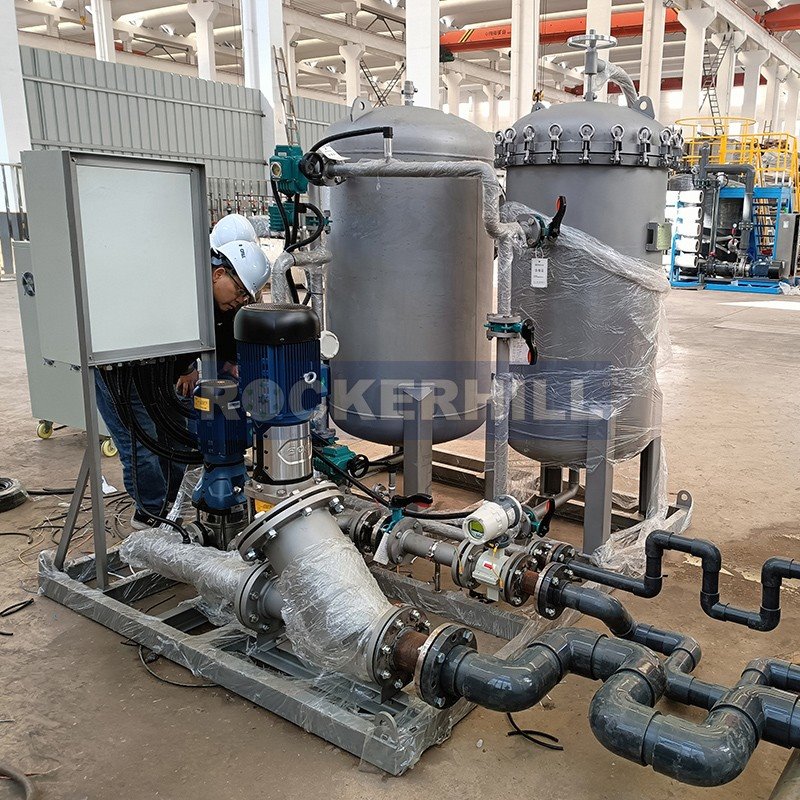
Before we dive into the role of level sensors, let's briefly understand what filter skids are. Filter skids are pre - assembled units that combine various filtration components, such as filters, pumps, valves, and controls, into a single, compact system. They are designed to remove impurities, contaminants, and particles from fluids, ensuring the quality and purity of the processed liquid. Filter skids are widely used in industries like water treatment, oil and gas, chemical processing, and food and beverage, where maintaining fluid quality is of utmost importance. You can learn more about Filter Skid Design to get a better understanding of their construction and functionality.
The Basics of Level Sensors
Level sensors are devices used to measure the level of a liquid or solid material in a container or tank. They come in various types, including ultrasonic, capacitive, float - type, and pressure - based sensors. Each type has its own advantages and is suitable for different applications based on factors such as the nature of the fluid, the required accuracy, and the environmental conditions.
Role of Level Sensors in Filter Skids
1. Fluid Monitoring
One of the primary roles of level sensors in filter skids is to monitor the fluid level in the filter housing or associated tanks. This is crucial for ensuring that the filter operates within its designed capacity. If the fluid level is too low, the filter may not be able to function effectively, leading to reduced filtration efficiency and potentially allowing contaminants to pass through. On the other hand, if the fluid level is too high, it can cause overflow, leading to mess, potential damage to the surrounding equipment, and loss of valuable fluid.
For example, in a water treatment filter skid, accurate level monitoring ensures that the filters are constantly supplied with an appropriate amount of water. The level sensor can detect when the water level in the pre - treatment tank is low and trigger the pump to refill it, maintaining a continuous flow of water through the filters.
2. Preventing Dry Running
Level sensors help prevent the pumps in the filter skid from running dry. Dry running can cause significant damage to the pump, such as overheating, wear and tear of the pump components, and ultimately, pump failure. By continuously monitoring the fluid level, the level sensor can send a signal to the control system when the fluid level drops below a certain threshold. The control system can then shut off the pump to avoid dry running.
In an oil filtration skid, for instance, if the oil level in the reservoir drops too low, the level sensor will detect this and stop the pump immediately. This not only protects the pump but also ensures the integrity of the entire filtration process.
3. Automatic Operation and Control
Level sensors enable automatic operation of filter skids. They can be integrated with the control system of the skid to automate various processes, such as filling and draining of tanks, and the activation and deactivation of pumps and valves. This automation increases the efficiency of the filter skid and reduces the need for manual intervention.
For example, in a chemical processing filter skid, the level sensor can be programmed to open a valve when the level in a holding tank reaches a certain level, allowing the filtered chemical to flow into the next stage of the process. It can also close the valve when the level is too high, preventing overflow. You can find more information about Skid Filter and its automated features.
4. Alarm and Notification
Level sensors can be set to trigger alarms when the fluid level goes outside the normal operating range. These alarms can be visual, such as warning lights, or auditory, such as buzzers. They alert the operators to potential issues, allowing them to take corrective action promptly.
In a large - scale water treatment plant using multiple filter skids, if the level sensor in one of the skids detects an abnormal fluid level, it can send an alarm to the control room. The operators can then investigate the problem and make the necessary adjustments to ensure the proper functioning of the skid.
Benefits of Using Level Sensors in Filter Skids
1. Increased Reliability
By preventing dry running, overflow, and other level - related issues, level sensors enhance the reliability of filter skids. They reduce the risk of equipment failure and downtime, ensuring that the filtration process can run smoothly and continuously. This is especially important in industries where any interruption in the filtration process can have serious consequences, such as in the pharmaceutical or semiconductor manufacturing industries.
2. Improved Efficiency
The automation enabled by level sensors leads to improved efficiency in filter skids. The system can operate more precisely, with less waste of resources and energy. For example, by accurately controlling the fluid level, the pumps can operate at their optimal efficiency, consuming less power and reducing operating costs.
3. Enhanced Safety
Level sensors contribute to the safety of the filter skid operation. By preventing overflow and dry running, they reduce the risk of accidents, such as fires (in the case of flammable fluids) and chemical spills. They also protect the operators from potential hazards associated with manual intervention in a malfunctioning system.
Considerations When Choosing Level Sensors for Filter Skids
When selecting level sensors for filter skids, several factors need to be considered. Firstly, the type of fluid being filtered is important. For example, if the fluid is corrosive, a sensor made of a corrosion - resistant material should be chosen. Secondly, the accuracy requirements of the level measurement depend on the specific application. In some cases, a high - accuracy sensor may be necessary, while in others, a more basic sensor may suffice.
The environmental conditions, such as temperature, pressure, and humidity, also play a role in sensor selection. Additionally, the compatibility of the sensor with the control system of the filter skid is crucial to ensure seamless integration and proper operation.

Conclusion
In conclusion, level sensors play a vital role in filter skids. They are essential for fluid monitoring, preventing dry running, enabling automatic operation, and providing alarm and notification. The benefits of using level sensors, including increased reliability, improved efficiency, and enhanced safety, make them an indispensable component of filter skids.
As a filter skid supplier, we understand the importance of high - quality level sensors in the performance of our products. We offer filter skids equipped with the latest and most reliable level sensors to meet the diverse needs of our customers. If you are in the market for a filter skid or looking to upgrade your existing system, we invite you to contact us for a consultation. Our team of experts can help you choose the right filter skid and level sensor combination for your specific application.
References
- "Industrial Filtration Handbook"
- "Level Measurement Technology and Applications"
- Industry - specific standards and guidelines for filter skids and level sensors.




