


The spacing between bars in a bar screen, also known as the clear opening or bar spacing, is a critical parameter that significantly impacts the performance and efficiency of the screening process. As a bar screen supplier, understanding the factors influencing this spacing and its implications is essential for providing optimal solutions to our customers.
Importance of Bar Spacing
The primary function of a bar screen is to remove large solids and debris from wastewater or other fluid streams. The bar spacing determines the size of the particles that can pass through the screen. A smaller bar spacing allows for the removal of finer particles, while a larger spacing is suitable for removing larger debris. Therefore, selecting the appropriate bar spacing is crucial to ensure that the screen effectively captures the desired size range of solids while minimizing clogging and pressure drop.
Factors Influencing Bar Spacing
Several factors influence the selection of bar spacing in a bar screen. These include:
- Nature of the Wastewater: The characteristics of the wastewater, such as the size and type of solids present, play a significant role in determining the appropriate bar spacing. For example, in wastewater treatment plants receiving domestic sewage, a bar spacing of 15 - 50 mm is commonly used to remove large objects such as rags, sticks, and plastics. In industrial applications where the wastewater may contain larger or more abrasive solids, a wider bar spacing may be required.
- Downstream Processes: The requirements of downstream processes also influence the bar spacing. If the wastewater is to be further treated by processes such as grit removal or biological treatment, a finer bar spacing may be necessary to prevent damage to the equipment or to ensure the efficiency of the treatment process.
- Flow Rate: The flow rate of the wastewater affects the selection of bar spacing. Higher flow rates may require a wider bar spacing to prevent clogging and maintain a reasonable headloss across the screen. Conversely, lower flow rates may allow for a finer bar spacing to achieve a higher level of solids removal.
- Maintenance Requirements: The ease of maintenance is another important consideration. A wider bar spacing generally results in less frequent clogging and easier cleaning, reducing the maintenance requirements and associated costs. However, a finer bar spacing may require more frequent cleaning to prevent clogging and ensure the continued operation of the screen.
Types of Bar Screens and Their Typical Bar Spacings
There are several types of bar screens available, each with its own typical bar spacings. Some common types include:
- Coarse Bar Screens: These screens typically have a bar spacing of 25 - 150 mm and are used to remove large objects such as logs, branches, and large plastics from the wastewater. Coarse bar screens are often the first stage of screening in a wastewater treatment plant and are designed to protect downstream equipment from damage.
- Medium Bar Screens: Medium bar screens have a bar spacing of 6 - 25 mm and are used to remove smaller solids such as rags, paper, and food waste. These screens are commonly used in conjunction with coarse bar screens to provide a more comprehensive screening solution.
- Fine Bar Screens: Fine bar screens have a bar spacing of 1 - 6 mm and are used to remove very fine solids such as sand, silt, and small particles of organic matter. Fine bar screens are often used in advanced wastewater treatment processes or in applications where a high level of solids removal is required.
Mechanical Bar Screen
Mechanical bar screens are widely used in wastewater treatment plants and other industrial applications due to their high efficiency and reliability. These screens typically consist of a series of parallel bars that are mechanically cleaned to remove the captured solids. The bar spacing in mechanical bar screens can vary depending on the specific application and requirements, but it is generally in the range of 6 - 50 mm.
Bar Screen Design
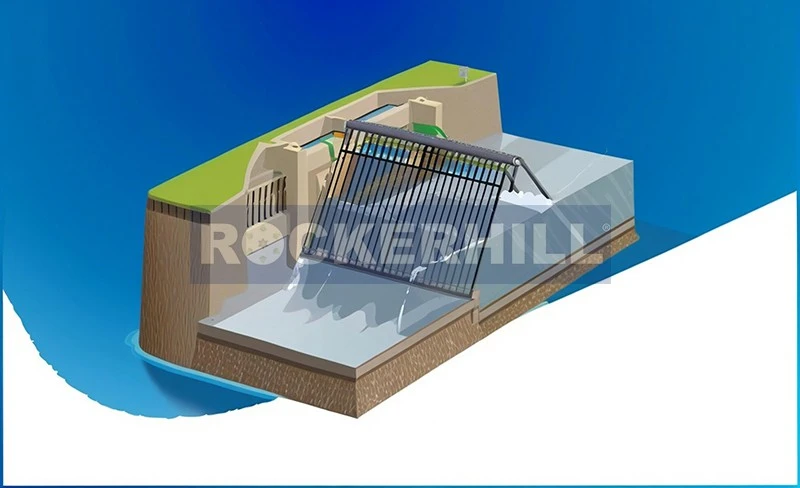
Proper bar screen design is essential to ensure the optimal performance of the screen. The design process involves considering factors such as the bar spacing, bar shape, screen angle, and cleaning mechanism. The bar spacing should be selected based on the factors discussed above, while the bar shape and screen angle can affect the efficiency of solids removal and the ease of cleaning. The cleaning mechanism should be designed to effectively remove the captured solids and prevent clogging.

Determining the Optimal Bar Spacing
Determining the optimal bar spacing for a specific application requires a careful analysis of the factors discussed above. In some cases, it may be necessary to conduct pilot studies or use computer modeling to evaluate the performance of different bar spacings under the specific operating conditions. Our team of experts at [Supplier Name] can assist you in selecting the appropriate bar spacing and designing a bar screen system that meets your specific requirements.
Conclusion
The spacing between bars in a bar screen is a critical parameter that significantly impacts the performance and efficiency of the screening process. By considering factors such as the nature of the wastewater, downstream processes, flow rate, and maintenance requirements, it is possible to select the optimal bar spacing for a specific application. As a bar screen supplier, we are committed to providing our customers with high-quality bar screen solutions that are designed to meet their specific needs. If you are interested in learning more about our bar screen products or would like to discuss your specific requirements, please contact us today to start the procurement and negotiation process.
References
- Metcalf & Eddy. (2014). Wastewater Engineering: Treatment and Resource Recovery. McGraw-Hill Education.
- Tchobanoglous, G., Burton, F. L., & Stensel, H. D. (2003). Wastewater Engineering: Treatment, Disposal, and Reuse. McGraw-Hill.




