


As a supplier of bar screens, I've often been asked about the potential applications of our products in aquaculture. Aquaculture, the farming of fish, shellfish, and aquatic plants, is a rapidly growing industry that faces numerous challenges, including maintaining water quality, preventing the entry of debris, and protecting fish from predators. In this blog post, I'll explore the feasibility and benefits of using bar screens in aquaculture and how they can contribute to the success of aquaculture operations.
Understanding Bar Screens
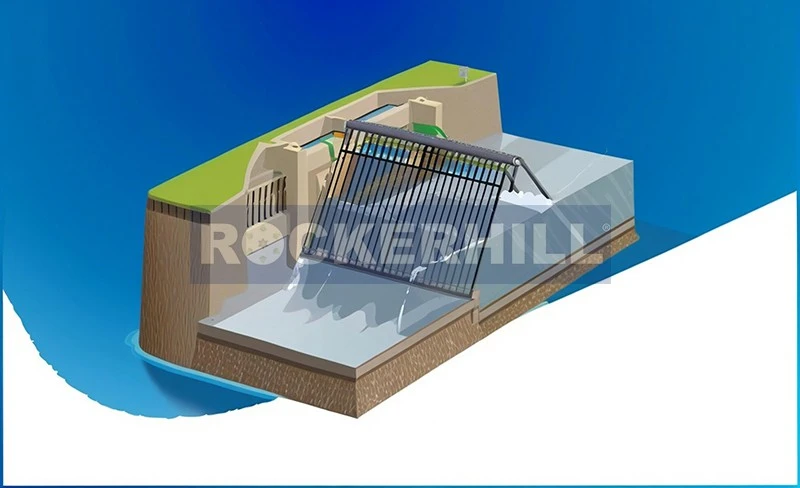
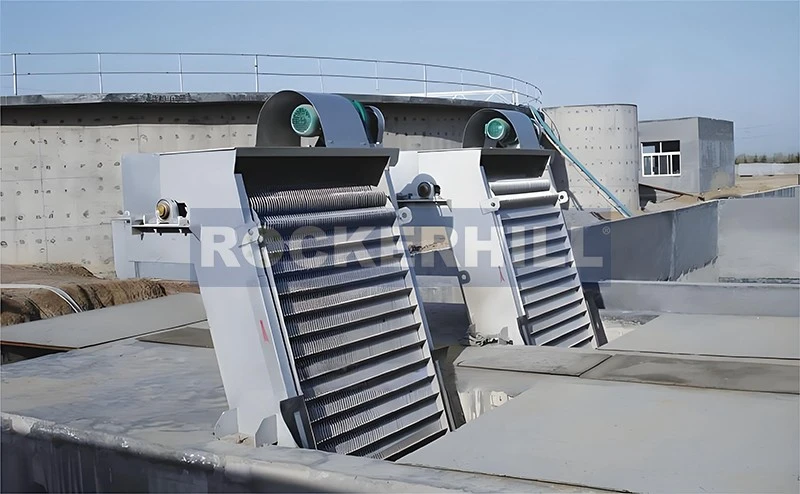
Before delving into their applications in aquaculture, let's first understand what bar screens are. Bar screens are mechanical screening devices used to remove large debris, such as sticks, leaves, plastics, and other solid objects, from water. They consist of a series of parallel bars or rods spaced at regular intervals, allowing water to pass through while trapping larger objects. Bar screens can be classified into different types based on their design and operation, including manual bar screens, mechanical bar screens, and fine bar screens.
- Manual Bar Screens: These are the simplest type of bar screens, consisting of fixed bars that require manual cleaning to remove trapped debris. They are typically used in small-scale applications or where the flow rate is relatively low.
- Mechanical Bar Screens: These screens are equipped with a mechanical cleaning mechanism, such as a rake or brush, to automatically remove debris from the bars. They are more efficient and require less manual labor compared to manual bar screens, making them suitable for larger-scale applications.
- Fine Bar Screens: These screens have narrower bar spacings compared to standard bar screens, allowing them to remove smaller debris and particles. They are often used in applications where a higher level of water quality is required, such as in water treatment plants or aquaculture facilities.
Applications of Bar Screens in Aquaculture
Bar screens can be used in various stages of aquaculture operations to address different challenges and improve the overall efficiency and sustainability of the industry. Here are some of the key applications of bar screens in aquaculture:
Water Intake Protection
One of the primary applications of bar screens in aquaculture is to protect water intake systems from large debris and foreign objects. In aquaculture facilities, water is typically sourced from natural water bodies, such as rivers, lakes, or the ocean. These water sources may contain a variety of debris, including leaves, branches, plastics, and other solid objects, which can clog water intake pipes, pumps, and other equipment, leading to reduced water flow, increased energy consumption, and potential damage to the equipment.
By installing bar screens at the water intake, aquaculture operators can prevent the entry of large debris into the system, ensuring a continuous and reliable water supply. Bar screens with appropriate bar spacings can effectively trap debris while allowing water to pass through, reducing the risk of clogging and maintaining the efficiency of the water intake system. For more information on bar screen design, you can visit Bar Screen Design.
Pond and Tank Protection
Bar screens can also be used to protect ponds and tanks in aquaculture facilities from the entry of predators, such as birds, turtles, and larger fish. These predators can pose a significant threat to the survival and growth of farmed fish and shellfish, causing damage to the stock and reducing the overall productivity of the aquaculture operation.
By installing bar screens around the perimeter of ponds and tanks, aquaculture operators can create a physical barrier that prevents predators from accessing the water and attacking the farmed animals. Bar screens with small bar spacings can also prevent the escape of small fish and shellfish from the ponds and tanks, ensuring that the stock remains within the designated area.
Water Treatment and Filtration
In addition to protecting water intake systems and ponds, bar screens can also be used as part of the water treatment and filtration process in aquaculture facilities. Aquaculture operations generate a significant amount of waste, including uneaten feed, feces, and other organic matter, which can accumulate in the water and lead to poor water quality, oxygen depletion, and the growth of harmful bacteria and parasites.
Bar screens can be used as a pre-treatment step to remove large debris and solid particles from the water before it enters the main water treatment system. This can help reduce the load on the downstream treatment processes, such as sedimentation, filtration, and biological treatment, improving the efficiency and effectiveness of the water treatment system. For more information on bar screens for water treatment, you can visit Bar Screens For Sea Water Desalination.
Harvesting and Sorting
Bar screens can also be used in the harvesting and sorting process in aquaculture facilities. When it comes time to harvest the farmed fish and shellfish, bar screens can be used to separate the animals from the water and other debris. By passing the harvested water through a bar screen with appropriate bar spacings, the fish and shellfish can be retained on the screen while the water and smaller debris pass through.
Bar screens can also be used to sort the harvested animals based on their size. By using bar screens with different bar spacings, aquaculture operators can separate the fish and shellfish into different size categories, making it easier to market and sell the products.
Benefits of Using Bar Screens in Aquaculture
The use of bar screens in aquaculture offers several benefits, including:
Improved Water Quality
By removing large debris and solid particles from the water, bar screens can help improve the overall water quality in aquaculture facilities. This can reduce the risk of waterborne diseases and parasites, improve the growth and health of the farmed animals, and enhance the sustainability of the aquaculture operation.
Increased Equipment Efficiency
Bar screens can help prevent the clogging of water intake pipes, pumps, and other equipment, reducing the need for frequent maintenance and repairs. This can increase the efficiency and reliability of the equipment, saving time and money for aquaculture operators.
Enhanced Biosecurity
Bar screens can act as a physical barrier to prevent the entry of predators, pests, and diseases into aquaculture facilities. This can help protect the farmed animals from harm and reduce the risk of disease outbreaks, improving the biosecurity of the operation.
Cost Savings
The use of bar screens can help reduce the cost of water treatment and filtration by removing large debris and solid particles from the water before it enters the main treatment system. This can reduce the load on the downstream treatment processes, saving energy and chemicals and lowering the overall cost of water treatment.
Considerations for Using Bar Screens in Aquaculture
While bar screens offer several benefits in aquaculture, there are also some considerations that aquaculture operators need to keep in mind when using these devices. These include:
Bar Spacing
The bar spacing of the bar screen is an important consideration, as it determines the size of the debris that can be trapped by the screen. Aquaculture operators need to choose the appropriate bar spacing based on the size of the debris in the water source and the requirements of the aquaculture operation.
Screen Material
The material of the bar screen is also an important consideration, as it needs to be durable, corrosion-resistant, and able to withstand the harsh environmental conditions in aquaculture facilities. Common materials used for bar screens include stainless steel, carbon steel, and plastic.
Cleaning and Maintenance
Bar screens require regular cleaning and maintenance to ensure their proper functioning. Aquaculture operators need to establish a cleaning schedule and use appropriate cleaning methods to remove trapped debris from the bars. Mechanical bar screens are generally easier to clean and maintain compared to manual bar screens.
Installation and Placement
The installation and placement of the bar screen are also important considerations, as they need to be located in a position where they can effectively trap debris and prevent it from entering the water intake system or other equipment. Aquaculture operators need to consult with a professional engineer or supplier to ensure the proper installation and placement of the bar screen.
Conclusion
In conclusion, bar screens can be a valuable tool in aquaculture operations, offering several benefits, including improved water quality, increased equipment efficiency, enhanced biosecurity, and cost savings. By understanding the different applications and considerations of bar screens in aquaculture, aquaculture operators can make informed decisions about whether to use these devices and how to choose the appropriate bar screen for their specific needs.
If you're interested in learning more about bar screens for aquaculture or would like to discuss your specific requirements, please feel free to contact us. We're a leading supplier of bar screens and other hydromechanical equipment, and we're committed to providing high-quality products and services to our customers. Let's work together to improve the efficiency and sustainability of your aquaculture operation.




