


Can stop logs be made of recycled materials? Well, that's a question I've been getting a lot lately, and as a stop log supplier, it's one I'm more than happy to dive into.
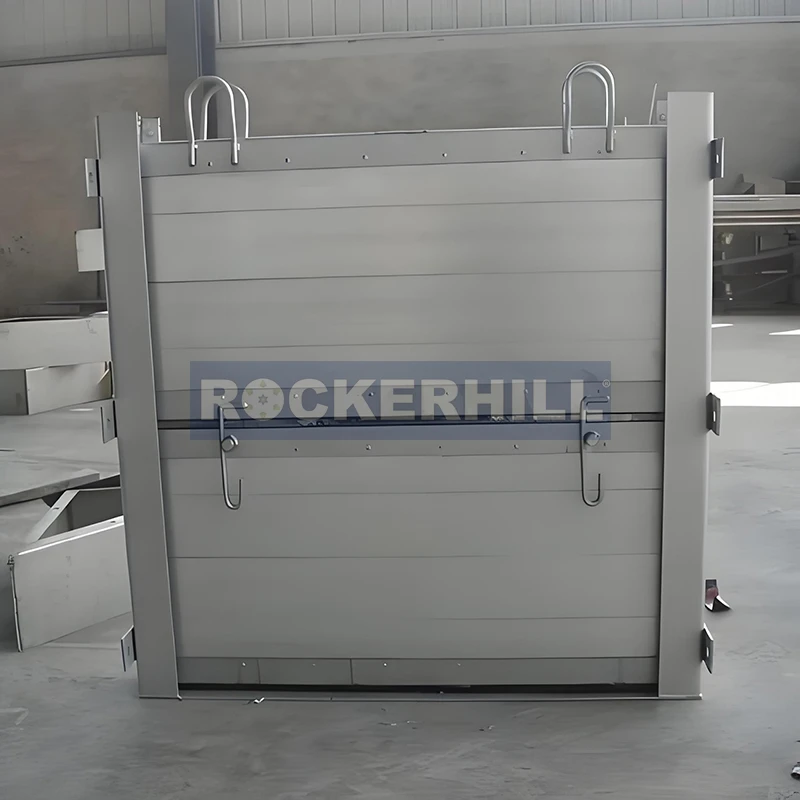
First off, let's talk about what stop logs are for those who might not be in the know. Stop logs are basically barriers used in water control systems. They're super important for managing water flow in things like dams, canals, and other water infrastructure. You can check out more about Stop Logs for Water Control. They're used to block or regulate the flow of water, which is crucial for things like flood control, water supply management, and even hydroelectric power generation.
Now, onto the big question: Can they be made of recycled materials? The short answer is yes, they can. But like most things, it's a bit more complicated than that.
There are a few factors to consider when thinking about using recycled materials for stop logs. One of the main concerns is the strength and durability of the materials. Stop logs need to be able to withstand a lot of pressure from the water, so whatever material they're made of has to be up to the task.
Recycled materials can vary a lot in terms of their quality and properties. For example, recycled plastics can be a good option in some cases. There are different types of recycled plastics, and some are stronger and more resistant to water damage than others. Some recycled plastics can be reinforced with fibers or other materials to make them even stronger. However, not all recycled plastics are suitable for stop logs. You need to make sure that the plastic you're using has the right chemical composition and physical properties to handle the job.
Another option is recycled metals. Steel is a common material for stop logs because it's strong and durable. There's a lot of scrap steel out there that can be recycled and used to make new stop logs. Recycling steel not only helps reduce waste but also saves energy compared to producing new steel from raw materials. However, just like with plastics, the quality of the recycled steel matters. You need to make sure that it doesn't have any contaminants or weaknesses that could affect its performance as a stop log.
One of the benefits of using recycled materials for stop logs is the environmental impact. By using recycled materials, you're reducing the demand for new raw materials, which helps conserve natural resources. It also reduces the amount of waste that goes into landfills. This is a big deal, especially in today's world where we're all trying to be more sustainable.
Cost is another factor. In some cases, using recycled materials can be more cost - effective. Recycled materials are often cheaper than new materials, especially if you can source them locally. However, there can also be additional costs associated with processing and testing the recycled materials to make sure they meet the required standards.
When it comes to the manufacturing process, making stop logs from recycled materials might require some adjustments. The equipment and techniques used to work with recycled materials can be different from those used for new materials. For example, recycled plastics might need to be melted and molded in a different way than virgin plastics. And recycled metals might need to be treated to remove any impurities before they can be used.
Now, let's also think about the long - term maintenance of stop logs made from recycled materials. They need to be able to resist corrosion, wear and tear, and other forms of damage over time. Some recycled materials might be more prone to certain types of damage than others. For instance, some recycled plastics might be more likely to degrade in sunlight or in the presence of certain chemicals in the water. So, you need to take these factors into account when choosing the right recycled material for your stop logs.
There are also regulatory and safety standards to consider. Stop logs are an important part of water control systems, and they need to meet certain safety and performance standards. When using recycled materials, you need to make sure that the final product meets all of these requirements. This might involve testing the recycled materials and the finished stop logs to ensure that they're safe and reliable.
In addition to stop logs, there are other related products in the water control industry. For example, Stainless Steel Flap Gates and Bulkhead Gate are also important components. The same principles about using recycled materials can apply to these products as well. You need to consider the strength, durability, environmental impact, and cost when deciding whether to use recycled materials for them.
So, in conclusion, stop logs can definitely be made of recycled materials, but it's not as simple as just using any old recycled stuff. You need to carefully evaluate the quality and properties of the recycled materials, make sure they meet the necessary standards, and consider the long - term performance and maintenance requirements.

If you're in the market for stop logs or other water control equipment and you're interested in using recycled materials, I'd love to have a chat with you. We can discuss your specific needs, the options available, and figure out the best solution for your project. Whether you're looking for a small - scale stop log for a local canal or a large - scale system for a major dam, we're here to help.
If you have any questions or want to start a conversation about purchasing stop logs or related products, don't hesitate to reach out. We're committed to providing high - quality, sustainable solutions for your water control needs.
References
- General knowledge about water control equipment and recycled materials
- Industry reports on the use of recycled materials in manufacturing




