


Hey there! As a stop log supplier, one question I get asked all the time is, "How long do stop logs last?" Well, let's dive right into it and break down the factors that affect the lifespan of these essential water control tools.

What Are Stop Logs Anyway?
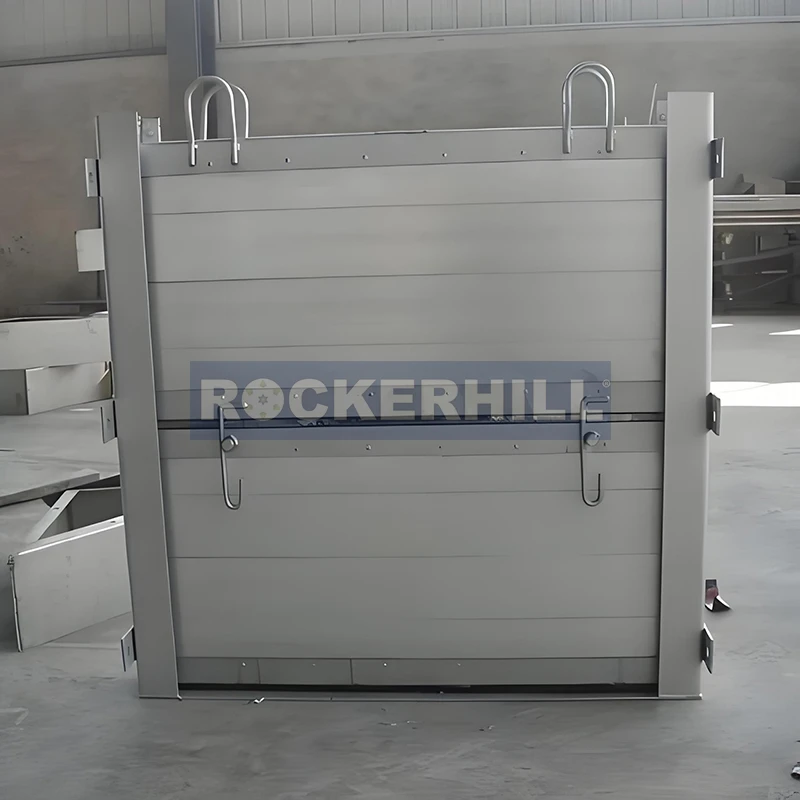
Before we talk about how long they last, let's quickly go over what stop logs are. Stop logs are used to control the flow of water in various applications, like dams, canals, and water treatment plants. They're basically long, rectangular pieces that can be stacked to block or regulate water flow. You can check out Stop Logs for Water Control on our website to see the different types we offer.
Material Matters
The material of the stop logs plays a huge role in determining their lifespan. There are a few common materials used, and each has its own pros and cons.
Wood
Wooden stop logs have been around for ages. They're relatively cheap and easy to work with. But here's the thing, wood is vulnerable to rot, decay, and insect damage. If they're constantly in contact with water, especially water that's not clean, their lifespan can be pretty short. Usually, wooden stop logs might last anywhere from 5 to 15 years, depending on how well they're maintained. If you don't treat the wood properly or if it's exposed to harsh environmental conditions, it could start to break down much sooner.
Concrete
Concrete stop logs are heavy-duty and can withstand a lot of pressure. They're resistant to rot and insects, which is a big plus. However, concrete can crack over time, especially if there are temperature fluctuations or if it's exposed to chemicals in the water. With proper installation and maintenance, concrete stop logs can last 20 to 50 years. But if there are issues with the foundation or if they're not designed correctly, cracks can form earlier and reduce their lifespan.
Metal
Metal stop logs, like those made from Aluminum Alloy Stop Logs or stainless steel, are known for their durability. Aluminum is lightweight, corrosion-resistant, and easy to handle. Stainless steel is even more resistant to corrosion and can handle high-stress situations. Metal stop logs can last anywhere from 30 to 70 years or more, depending on the quality of the metal and the environment they're in. For example, if they're in a saltwater environment, they might need more protection to prevent corrosion, but with the right coatings and maintenance, they can still have a long lifespan.
Environmental Factors
The environment where the stop logs are installed also has a significant impact on how long they'll last.
Water Quality
If the water contains a lot of chemicals, such as acids or salts, it can corrode the stop logs. For example, in industrial areas where the water might be polluted, metal stop logs could corrode faster. On the other hand, clean, fresh water is less likely to cause damage. So, if you're installing stop logs in a water source with poor water quality, you might need to choose a more corrosion-resistant material or take extra steps to protect the logs.
Temperature and Weather
Extreme temperatures can cause materials to expand and contract, which can lead to cracking or warping. In areas with cold winters, freezing and thawing cycles can be particularly damaging to concrete and wood. Metal can also be affected by temperature changes, but it's generally more resistant. Additionally, exposure to sunlight, rain, and wind can wear down the stop logs over time. If they're not protected from the elements, their lifespan will be reduced.
Water Flow
The force of the water flowing against the stop logs can also affect their durability. High-velocity water can cause erosion and abrasion, especially on softer materials like wood. Metal and concrete are better able to withstand the force of the water, but if the flow is too strong, it can still cause damage over time.
Maintenance Is Key
No matter what material your stop logs are made of, proper maintenance is crucial for extending their lifespan.
Regular Inspections
You should inspect your stop logs regularly for signs of damage, such as cracks, rot, or corrosion. Catching these issues early can prevent them from getting worse and potentially save you from having to replace the logs prematurely.
Cleaning
Cleaning the stop logs can help remove dirt, debris, and any chemicals that might be causing damage. For metal stop logs, you can use a mild detergent and a soft brush to clean them. For concrete and wood, you might need to use different cleaning methods depending on the material.
Repairs
If you notice any damage during your inspections, it's important to make repairs as soon as possible. For example, if a wooden stop log has a small area of rot, you can cut out the damaged section and replace it with new wood. For metal stop logs, you might need to repair any coatings that have been damaged to prevent corrosion.
Comparing Different Types of Stop Logs
Let's take a closer look at how the different types of stop logs stack up in terms of lifespan and other factors.
Aluminum Alloy Stop Logs
As I mentioned earlier, aluminum alloy stop logs are lightweight and corrosion-resistant. They're a great choice for applications where you need to move the logs around frequently. They can last a long time, especially if they're properly maintained. You can learn more about them on our Aluminum Alloy Stop Logs page.
Stainless Steel Flap Gates
Stainless steel flap gates are another option for water control. They're very durable and can handle high-pressure situations. They're also resistant to corrosion, which makes them suitable for use in saltwater or other harsh environments. Check out Stainless Steel Flap Gates on our website to see the different models we offer.
Making the Right Choice
When it comes to choosing the right stop logs for your project, you need to consider a few things. First, think about the environment where the logs will be installed. If it's a harsh environment with poor water quality or extreme temperatures, you'll want to choose a more durable material. Second, consider your budget. While metal stop logs might last longer, they can also be more expensive upfront. Finally, think about how easy the logs will be to maintain. If you don't have the resources to do regular inspections and repairs, you might want to choose a material that's more low-maintenance.
Conclusion
So, how long do stop logs last? Well, it really depends on the material, the environment, and how well they're maintained. Wooden stop logs might last 5 to 15 years, concrete 20 to 50 years, and metal 30 to 70 years or more. By choosing the right material, taking care of the environment, and doing regular maintenance, you can ensure that your stop logs last as long as possible.
If you're in the market for stop logs or have any questions about their lifespan and suitability for your project, don't hesitate to reach out. We're here to help you make the best choice for your water control needs.
References
- Engineering textbooks on water control structures
- Industry reports on the durability of different stop log materials
- Manufacturer specifications for aluminum alloy, stainless steel, and other stop log materials




