


Hey there! As a hydro gate supplier, I've seen firsthand how sediment can mess with hydro gates big time. Sediment is basically all that dirt, sand, and other stuff that gets carried along by water. It might seem harmless at first, but it can cause a whole bunch of problems for hydro gates. So, let's dive into the effects of sediment on hydro gates.
1. Wear and Tear
One of the most obvious effects of sediment on hydro gates is wear and tear. When sediment-laden water flows through the gates, the particles act like tiny abrasives. They rub against the gate's surface, gradually wearing it down. This is especially true for the parts of the gate that are in direct contact with the flowing water, like the edges and the sealing surfaces.
Over time, this wear can lead to leaks. Even a small leak can be a big deal because it can reduce the gate's efficiency and potentially cause damage to other parts of the hydro system. For example, if water starts leaking around the edges of a gate, it can erode the surrounding concrete or other materials, weakening the overall structure.
The type of sediment matters too. Coarse sediment, like gravel or large sand particles, can cause more rapid wear than fine sediment. But even fine sediment can cause problems over the long term. It can get into the small gaps and crevices of the gate, causing friction and wearing down the moving parts.
2. Jamming and Malfunction
Sediment can also cause hydro gates to jam or malfunction. When sediment accumulates on the gate or in the gate's tracks, it can prevent the gate from opening or closing properly. This is a huge problem because hydro gates are designed to control the flow of water, and if they can't operate correctly, it can disrupt the entire hydro system.
For instance, if a gate gets jammed in the closed position, it can block the flow of water, leading to flooding upstream. On the other hand, if a gate can't close properly, it can allow too much water to flow downstream, which can cause erosion and other problems.
In some cases, sediment can also damage the gate's operating mechanisms. The gears, motors, and other components that are used to open and close the gate can get clogged with sediment, causing them to malfunction. This can be expensive to repair and can result in significant downtime for the hydro system.
3. Reduced Efficiency
Another effect of sediment on hydro gates is reduced efficiency. When sediment accumulates on the gate, it can increase the weight of the gate, making it more difficult to operate. This means that more energy is required to open and close the gate, which can increase the operating costs of the hydro system.
Sediment can also affect the gate's ability to control the flow of water accurately. If the gate is covered in sediment, it may not be able to form a tight seal, allowing water to leak through. This can reduce the gate's effectiveness in regulating the water flow, which can have a negative impact on the overall performance of the hydro system.

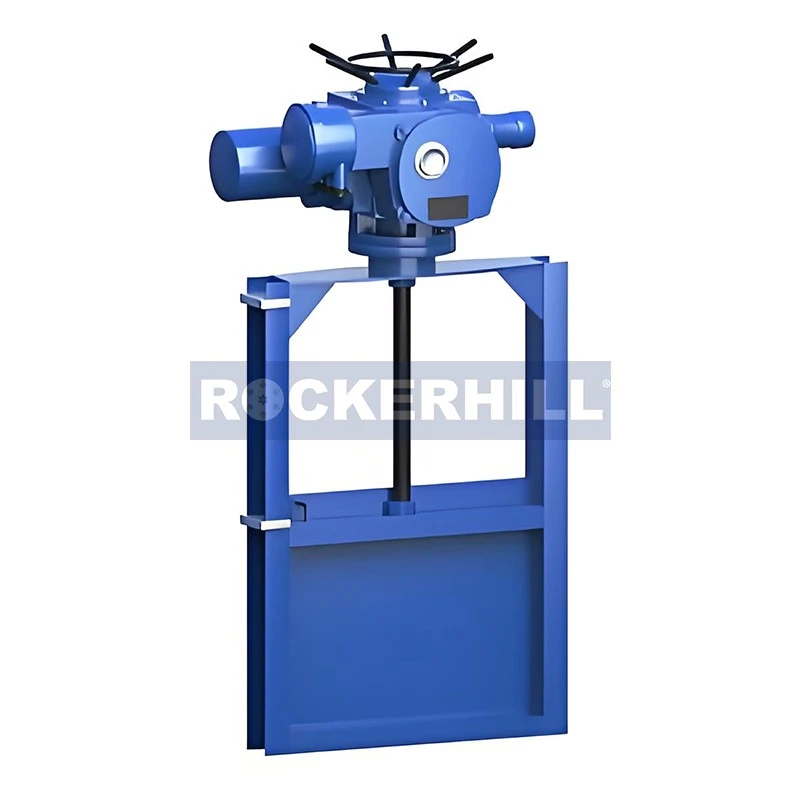
4. Corrosion
Sediment can also contribute to corrosion of hydro gates. When sediment is in contact with the gate's surface, it can create a moist environment that is conducive to corrosion. The sediment can trap moisture against the gate, and the minerals and chemicals in the sediment can react with the gate's material, causing it to rust or corrode.
Corrosion can weaken the gate's structure, making it more prone to failure. It can also affect the gate's appearance and reduce its lifespan. In addition, corrosion can make the gate more difficult to operate, as the corroded parts may not move smoothly.
How to Mitigate the Effects of Sediment
As a hydro gate supplier, I know that it's important to take steps to mitigate the effects of sediment on hydro gates. One way to do this is to install sediment control devices upstream of the gates. These devices can help to remove sediment from the water before it reaches the gates, reducing the amount of sediment that comes into contact with the gates.
Regular maintenance is also crucial. This includes cleaning the gates regularly to remove any accumulated sediment. Inspecting the gates for wear, damage, and corrosion on a regular basis can also help to identify and address any problems before they become serious.
Using high-quality materials and coatings can also help to reduce the effects of sediment. For example, gates made from corrosion-resistant materials or coated with a protective layer can be more resistant to wear and corrosion.
Our Hydro Gates Can Withstand the Test
At our company, we offer a range of high-quality hydro gates that are designed to withstand the effects of sediment. Our Heavy Duty Sluice Gates are built tough to handle the rigors of sediment-laden water. They are made from durable materials and are designed with features that help to reduce wear and tear.
Our Hydro Gate Slide Gates are also a great option. They are easy to operate and are designed to provide a tight seal, even in the presence of sediment. These gates are engineered to minimize the effects of sediment on their performance, ensuring reliable operation over the long term.
If you're in the market for hydro gates and want to learn more about how our products can help you deal with sediment issues, don't hesitate to reach out. We're here to help you find the right hydro gate solution for your needs. Whether you're dealing with a small-scale project or a large industrial application, we have the expertise and the products to meet your requirements. Contact us today to start a conversation about your hydro gate needs and let's work together to ensure the smooth operation of your hydro system.
References
- Smith, J. (2020). The Impact of Sediment on Water Infrastructure. Journal of Water Resources Management, 15(2), 78 - 92.
- Johnson, M. (2019). Sediment Control in Hydro Systems. Hydro Engineering Review, 22(3), 45 - 56.
- Brown, R. (2021). Maintenance Strategies for Hydro Gates in Sediment - Laden Environments. International Journal of Hydro Technology, 8(4), 112 - 125.




