


In the realm of fluid control systems, the choice between check valves and gate valves is a critical decision that can significantly impact the efficiency, safety, and functionality of the system. As a check valve supplier, I've witnessed firsthand the diverse applications where check valves outshine gate valves. This blog post aims to explore these situations in detail, highlighting the unique advantages of check valves and guiding you through the decision-making process.
Understanding the Basics: Check Valves vs. Gate Valves
Before delving into the specific situations where check valves are preferred, it's essential to understand the fundamental differences between check valves and gate valves.
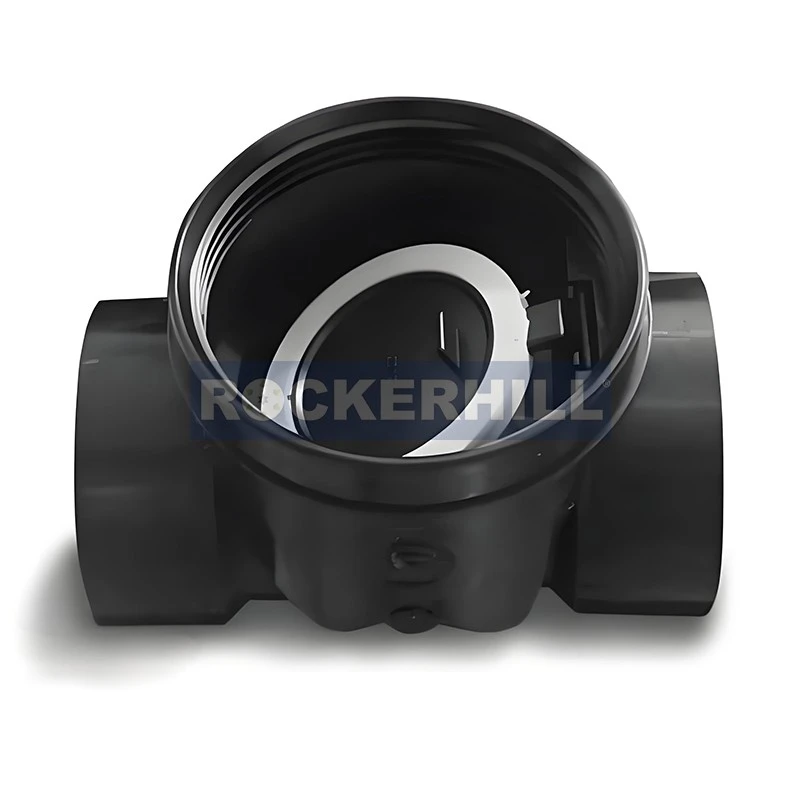
Check valves are designed to allow fluid to flow in one direction only, automatically preventing backflow. They operate passively, relying on the pressure of the fluid to open and close. There are several types of check valves, including Spring Check Valve, Swing Check Valve, and Drain Check Valve, each with its own unique design and application.
Gate valves, on the other hand, are used to start or stop the flow of fluid. They feature a gate that moves up and down to open or close the valve. Gate valves are typically used in applications where a full, unobstructed flow is required, and they are not designed to prevent backflow.
Situations Where Check Valves are Preferred
1. Preventing Backflow
One of the primary functions of check valves is to prevent backflow, which can cause damage to equipment, contaminate fluids, and compromise the safety of the system. In applications where backflow is a concern, such as in water supply systems, sewage systems, and chemical processing plants, check valves are the clear choice.
For example, in a water supply system, a check valve can prevent water from flowing back into the main supply line when the pressure in the system drops. This helps to maintain the integrity of the water supply and prevent contamination. Similarly, in a sewage system, a check valve can prevent sewage from flowing back into the building during a power outage or other emergency situation.

2. Protecting Pumps and Compressors
Check valves are also commonly used to protect pumps and compressors from damage caused by backflow. When a pump or compressor stops, the fluid in the system can flow back towards the pump, causing it to rotate in the reverse direction. This can damage the pump's impeller, bearings, and other components, leading to costly repairs and downtime.
By installing a check valve downstream of the pump or compressor, the backflow of fluid can be prevented, protecting the equipment from damage. This is particularly important in applications where the pump or compressor is operating at high pressures or in harsh environments.
3. Maintaining System Pressure
In some applications, it's essential to maintain a constant pressure in the system. Check valves can help to achieve this by preventing the loss of pressure due to backflow. For example, in a hydraulic system, a check valve can be used to maintain the pressure in the system when the pump is not operating. This helps to ensure that the system functions properly and that the equipment is protected from damage.
4. Simplifying System Design
Check valves are relatively simple in design and require minimal maintenance compared to gate valves. They do not require external power or control systems to operate, making them easy to install and integrate into existing systems. This can simplify the system design and reduce the overall cost of the project.
In addition, check valves can be used in a wide range of applications, from small residential systems to large industrial plants. They are available in various sizes, materials, and configurations, making them suitable for different types of fluids and operating conditions.
5. Handling High-Speed Flows
Check valves are designed to operate quickly and efficiently, making them suitable for applications where high-speed flows are involved. They can open and close rapidly in response to changes in the fluid pressure, preventing backflow and maintaining the integrity of the system.
In contrast, gate valves are not designed for high-speed flows. They require a relatively long time to open and close, which can cause pressure surges and other problems in the system.
Conclusion
In conclusion, check valves offer several advantages over gate valves in certain situations. They are ideal for preventing backflow, protecting pumps and compressors, maintaining system pressure, simplifying system design, and handling high-speed flows. As a check valve supplier, I understand the importance of choosing the right valve for your application. If you're unsure which type of valve is best for your needs, I encourage you to contact me to discuss your requirements. I can provide you with expert advice and help you select the most suitable check valve for your system.
Whether you're working on a small residential project or a large industrial installation, I have the experience and expertise to provide you with high-quality check valves that meet your specifications. Contact me today to learn more about our products and services and to start a conversation about your valve needs.
References
- Valve Handbook, 4th Edition, by Robert W. Miller
- Fluid Mechanics and Hydraulics, 5th Edition, by Jack B. Evett and Carl S. Liu
- Instrumentation and Control Systems, 3rd Edition, by Tony Blevins




